OrDie Beauty
Choosing the right moisturizing cream in 2026 is not simply about finding the richest texture or the most attractive label. Healthy-looking skin depends on its barrier, hydration level, climate, cleansing habits, and personal sensitivity. A cream should support that barrier without leaving a heavy film, causing stinging, or worsening congestion. Ingredients such as glycerin, ceramides, hyaluronic acid, and squalane may help, but no formula suits everyone.
So, what happens if you skip moisturizing cream? At first, your skin may feel tight after cleansing, especially around the cheeks and mouth. Fine lines can look more visible when the surface becomes dehydrated. Dry, flaky patches may also appear beneath makeup or catch on a towel. In colder air, indoor heating can make these sensations more noticeable. Oily skin is not exempt. When the barrier feels stressed, some people notice increased shine or uneven texture.
Small changes matter.
This guide examines the best moisturizing creams for 2026 through practical skin-care considerations, including texture, ingredients, fragrance, and daily comfort. It also separates temporary dehydration from persistent irritation that may need professional advice. My own routine has taught me that a luxurious cream is not automatically effective. Sometimes, a simple fragrance-free lotion performs better. I may still overlook factors such as seasonal allergies or medication use, so product testing should remain cautious. Apply a small amount to clean, slightly damp skin, and observe how it feels over several days. Reliable skin care is rarely dramatic; it is usually consistent, gentle, and personal.
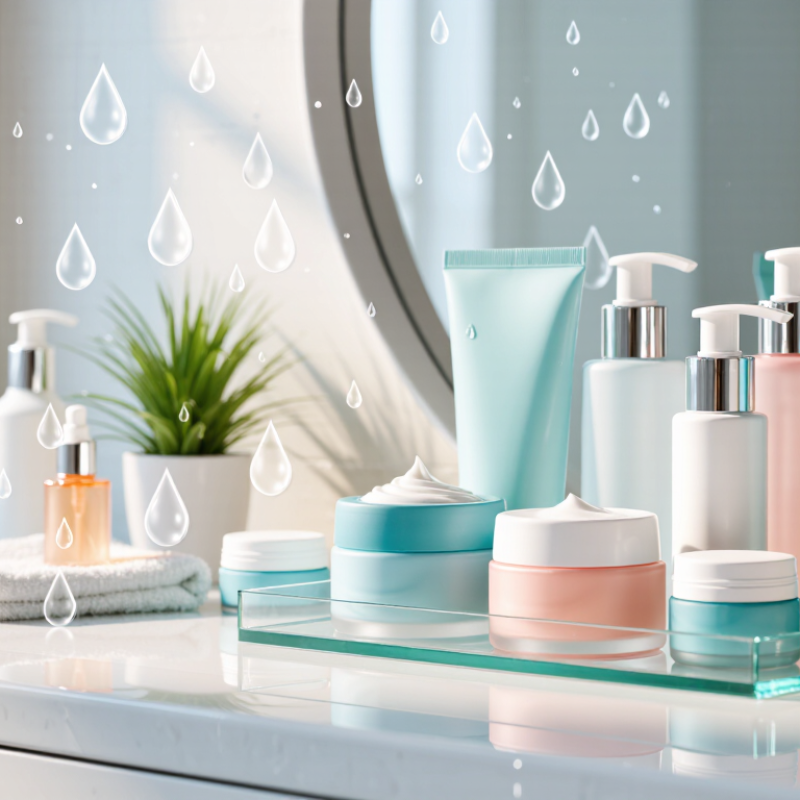
The stratum corneum is your skin’s outer shield. It contains roughly 10–20% water, according to the National Library of Medicine. This moisture supports flexibility and helps reduce rough, tight sensations. When water escapes too quickly, the barrier can become less effective. Cold air, hot showers, harsh cleansers, and dry indoor heating may increase that loss.
Skipping moisturizer once will not ruin healthy skin. Repeatedly skipping it may feel different. Your cheeks can become flaky, while fine lines appear more noticeable. Small cracks may also allow irritants to enter more easily. That can lead to stinging after washing. It is not always dramatic.
A useful routine starts with damp skin. Apply a fragrance-free cream within a few minutes after cleansing. Look for humectants, such as glycerin, and barrier-supporting ingredients, such as ceramides. A thicker texture often suits dry areas, but oily skin may prefer a lighter lotion. “More moisture” is not automatically better. I sometimes overapply, then notice congestion around my nose. Skin needs observation, not guesswork.
Patch testing is sensible, especially with sensitive skin. If burning, swelling, or persistent redness develops, stop using the product. A dermatologist can evaluate eczema, allergy, or another condition. Moisturizer helps the barrier, but it cannot replace medical care.
Skipping cream can leave skin losing water faster than its barrier can replace it. This process is called transepidermal water loss, or TEWL. The American Academy of Dermatology advises applying moisturizer while skin is still damp, because it helps seal in water. That timing is practical, not cosmetic theatre.
A 2023 review in the International Journal of Cosmetic Science found that moisturizers generally reduced TEWL in controlled testing, although results differed by formula and skin condition. The AAD also recommends moisturizing after bathing and whenever skin feels dry. Without that layer, cheeks may feel tight, rough, or visibly flaky by evening. It can sting when cleanser touches the face. Small cracks may become easier to notice around the nose and mouth.
I used to think occasional tightness meant my cleanser was the only problem. That was incomplete. Cold air, hot water, low humidity, and over-cleansing can all increase water loss. Cream cannot repair every cause. Still, a plain moisturizer applied to slightly damp skin gives the barrier useful support. Look for evidence-based ingredients such as ceramides, glycerin, or petrolatum, and patch-test when sensitivity is possible. Keep expectations realistic. Skin improvement is often gradual, and “more product” does not always mean better protection.
2026 Best Moisturizing Cream: What Happens If You Skip It?
Atopic dermatitis can affect up to 20% of children, according to the American Academy of Dermatology. Their skin barrier loses moisture more easily. Without regular moisturizing, dry patches may feel tighter, rougher, and itchier. Scratching can create tiny cracks, especially behind the knees, on the cheeks, and around the elbows.
It may not become worse after missing one application. Repeated skipping is different. Water escapes from the skin, while irritants can enter more easily. A child may wake at night, rub against bedding, or resist bathing because the skin stings. These small details matter. Sleep and mood can change, too.
A fragrance-free cream or ointment often works better than a thin lotion for very dry skin. Apply it soon after a short, lukewarm bath, while the skin still feels slightly damp. Do not scrub red areas. Moisturizer supports the skin barrier, but it is not a cure, and I should not describe it as one. A dermatologist or pediatric clinician should assess persistent oozing, pain, crusting, or rapidly spreading redness. Prescribed treatments should be used exactly as directed. Consistency helps, yet perfection is unrealistic; a missed evening calls for a calm restart, not guilt.
Skipping moisturizer may leave skin feeling tight, rough, or strangely shiny by midday. I noticed this after washing my face with warm water and waiting several hours. Fine flakes appeared around my nose. It was not dramatic, but it was uncomfortable.
The American Academy of Dermatology recommends looking for helpful ingredients such as ceramides, glycerin, and petrolatum. Ceramides support the skin barrier, which helps reduce moisture loss. Glycerin attracts water and can make dry skin feel softer. Petrolatum forms a protective seal over the surface. Think of it as a thin raincoat, not a magic cure.
Use moisturizer on slightly damp skin after cleansing. A pea-sized amount may cover the face, though dry areas can need more. My mistake was applying a heavy layer everywhere, even where my skin felt oily. That sometimes caused a greasy finish. A lighter lotion may suit daytime use, while a thicker cream can help at night. People with acne-prone or sensitive skin should check the ingredient list and patch-test new products. Fragrance can irritate some users, but not everyone reacts the same way. If burning, swelling, or persistent redness develops, stop using the product and seek advice from a qualified dermatologist. One routine does not fit every face.
Glycerin attracts water to the outer skin layer, petrolatum forms a strong barrier that reduces water loss, and ceramides help support the skin barrier. The ranges shown for glycerin and petrolatum are concentrations permitted for skin-protectant products under the U.S. FDA OTC monograph; ceramides do not have a standardized concentration range in that monograph.
Sources: U.S. FDA, 21 CFR §347.10 Skin protectant active ingredients; American Academy of Dermatology guidance on moisturizer ingredients and dry-skin care.
2026 Best Moisturizing Cream: What Happens If You Skip It?
Moisturizer Timing: Apply Within 3 Minutes After Bathing (AAD)
After bathing, water remains on your skin for only a short time. The American Academy of Dermatology recommends applying moisturizer within three minutes. This helps trap existing water before evaporation increases dryness. Pat gently with a towel, leaving the skin slightly damp. Then spread a fragrance-free cream over the cheeks, elbows, knees, and hands.
Small timing changes matter. A 2021 dermatology review found that moisturizers can improve skin hydration and support barrier function, especially in dry or eczema-prone skin. The Global Burden of Disease 2019 analysis estimated that atopic dermatitis affected about 171 million people worldwide. That figure shows why basic barrier care deserves attention, not just cosmetic interest.
I sometimes wait too long after showering. My skin feels tight, and cream seems less comfortable. The mistake is easy to repeat. Use lukewarm water, keep bathing brief, and apply cream before dressing. Very dry skin may need a thicker formula at night. Ointments can feel greasy, though. If burning, cracking, swelling, or persistent itching appears, seek advice from a qualified dermatologist rather than changing products repeatedly.
Skin may lose water faster than its barrier replaces it. Cheeks can feel tight, rough, or flaky by evening. It may sting.
Apply it after bathing or cleansing, while skin remains slightly damp. This helps seal in water. Timing matters.
Ceramides, glycerin, and petrolatum may support dry skin. Ceramides help the barrier. Glycerin attracts water. Petrolatum forms a protective seal.
No. Cold air, hot water, low humidity, and over-cleansing can increase water loss. Moisturizer helps, but it cannot solve every cause. I once underestimated this.
Repeated skipping may make patches tighter, rougher, and itchier. Scratching can create tiny cracks behind knees, on cheeks, or around elbows. One missed application may not cause a major change.
A fragrance-free cream or ointment may work better than a thin lotion. Apply it after a short, lukewarm bath. Do not scrub red areas.
A pea-sized amount may cover the face. Very dry areas may need more. A heavy layer can feel greasy, so more is not always better.
Stop using it if burning, swelling, or persistent redness develops. Seek advice from a qualified dermatologist. Patch-testing first may reduce surprises.
The skin barrier, especially the outer layer called the stratum corneum, helps keep moisture inside the skin and irritants out. It normally contains about 10–20% water, but this balance can be disrupted when the skin loses water faster than the barrier can protect it. So, what happens if you skip moisturizing cream? Skin may become dry, tight, rough, flaky, or more sensitive, particularly in cold, dry, or windy conditions. This concern is even greater for people with atopic dermatitis, which affects up to 20% of children.
A well-formulated moisturizing cream can support the barrier with ingredients such as ceramides, glycerin, and petrolatum. Ceramides help replenish barrier lipids, glycerin attracts water, and petrolatum helps reduce moisture loss. For best results, apply moisturizer within about three minutes after bathing, while the skin is still slightly damp. Regular use can help maintain comfort, reduce dryness, and support healthier-looking skin.
