A repair essence can leave dry, heat-styled hair feeling smoother, but daily use depends on its formula, your hair, and the label. Some products are lightweight leave-ins; others contain richer oils or silicones that may weigh down fine strands. “Repair” also needs context. Many products improve softness and reduce friction, but they cannot permanently mend split ends. Small difference, but an important one.
So, can you use repair essence every day? Often, yes, if the instructions allow it and your hair tolerates it. Start with a few drops on damp mid-lengths and ends, avoiding the roots if they become greasy. Watch for residue, limpness, or scalp irritation. If the essence is designed for scalp application, test a small area first and stop if discomfort develops. The American Academy of Dermatology recommends testing new skin-care products on a small area before wider use; that is a useful precaution when a product contacts your scalp.
The market is crowded, too. Cosmetics Europe’s 2024 Market Performance Report valued Europe’s cosmetics and personal-care market at €96 billion in 2023. That figure describes the sector, not proof that every repair claim works. Check the ingredient list and directions, and judge results by how your hair feels after several uses. I’ll admit, product labels can make “repair” sound more dramatic than the everyday result. A good routine should leave hair manageable, not coated.
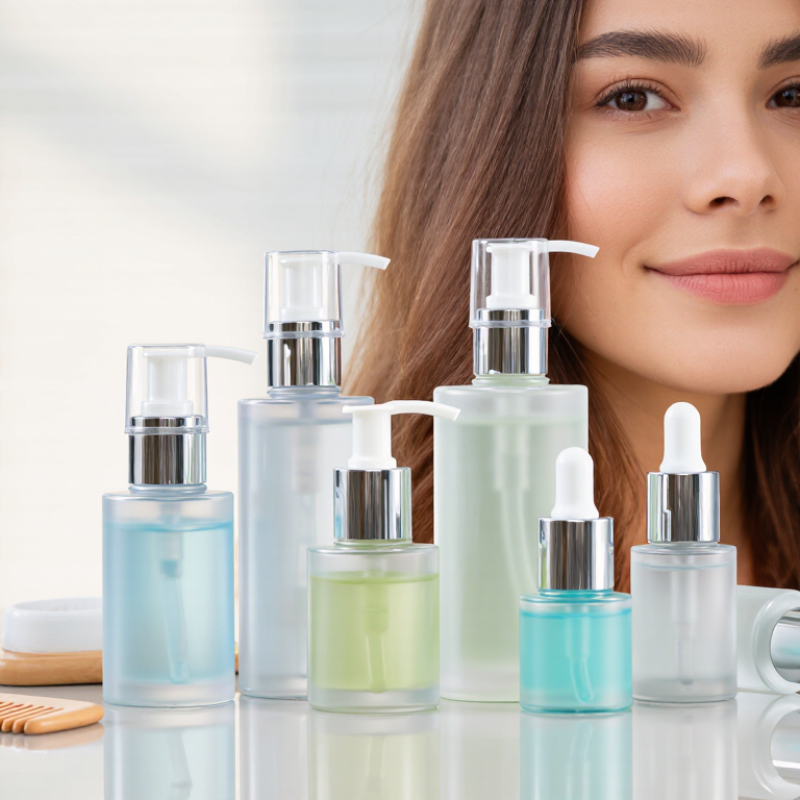
What “Repair Essence” Means: Barrier Care, Active Ingredients, and Evidence
“Repair essence” is a loose skincare term, not a standardized medical category. It usually describes a lightweight product intended to support the skin barrier and add hydration. Check the ingredient list, not just the label. Glycerin and hyaluronic acid attract water; ceramides and similar lipids can help reduce moisture loss. A thin layer may feel comfortable on dry cheeks, though results vary.
Active ingredients change the picture. Acids, retinoids, and some forms of vitamin C may irritate sensitive skin, especially when several are layered together. More is not always better. For everyday use, consider the formula’s strength, your skin’s tolerance, and the rest of your routine. Patch-test a new product on a small area, then watch for persistent stinging, redness, or flaking. Stop if irritation continues.
Evidence depends on the specific ingredients and finished formula. Research on a single ingredient does not prove that every essence will “repair” skin. That wording can overpromise. I’d look for clear ingredient information and realistic claims, and use moisturizer and daytime sun protection as needed. Daily use may suit a gentle, hydrating formula, but it is not a rule. Skin can be unpredictable.
How 2026 Formulas Compare: Ingredient Levels, Testing, and Product Claims
A “repair essence” can mean hydration and support for the skin barrier, not literal tissue repair. Compare 2026 formulas by checking disclosed ingredient levels, not just ingredient order. In many markets, labels show ingredients without revealing exact percentages. A short list can still contain a useful concentration, while a high percentage does not prove better results. Look for clear use directions, fragrance details, and evidence behind claims such as “barrier repair.” Small print matters.
Testing adds useful context. OECD Test Guideline 439 uses reconstructed human epidermis; under its method, tissue viability above 50% indicates that a tested substance does not meet the defined skin-irritant category. This does not prove a finished essence suits every face. ISO 11930:2019 describes preservative-efficacy testing, which can help assess a water-based product’s protection against microbial growth. It is not a ranking of skincare performance. For everyday use, introduce one formula at a time and watch for persistent stinging, redness, or tightness. Patch testing helps, but it is not a guarantee. Not proof of repair. A claim may sound precise while the public evidence remains thin; that is worth questioning.
Can You Use It Daily? AAD Advises Gradual Retinoid Use, Often Every Other Night
A repair essence is not automatically gentle enough for daily use. Check its active ingredients first: if it contains a retinoid, the American Academy of Dermatology advises starting every other night and increasing use as skin tolerates it. Its 2024 acne guideline strongly recommends topical retinoids for acne, but that does not mean every formula suits every face. A pea-sized amount on dry skin is often enough. Keep it away from the corners of the nose and mouth, where irritation can show up quickly.
Go slowly. Dryness, stinging, redness, and flaking are common early signs that your routine may be too aggressive; a 2019 clinical review in the Journal of Clinical and Aesthetic Dermatology discusses these reactions with topical retinoids. Use a plain moisturizer, and wear broad-spectrum sunscreen during the day. If your skin feels tight after washing, skip the next application rather than pushing through. That can feel frustrating. Daily use is a goal for some people, not a rule. Formulas and skin responses vary, so persistent burning or swelling is a reason to stop and ask a dermatologist.
Best Repair Essence 2026: Can You Use It Every Day?
| Product or Skin Situation |
Suggested Starting Frequency |
Can It Be Used Daily? |
Practical Guidance |
| Retinoid-containing repair essence |
Start every other night, or less often if skin is sensitive. |
Possibly, after gradual adjustment and only if the product directions allow it and skin tolerates it. |
The American Academy of Dermatology advises starting retinoids gradually, often every other night, and increasing use as tolerated. Reduce frequency or stop if irritation develops. |
| Non-retinoid hydrating or barrier-supporting essence |
Follow the product label; many are intended for regular use. |
Often, if the formula is comfortable for your skin and the label permits daily use. |
“Repair” or “essence” does not identify a specific active ingredient. Check the ingredient list and directions before choosing a frequency. |
| Easily irritated, dry, or sensitive skin |
Use a retinoid less often than every other night at first, or seek professional advice. |
Do not assume daily use will be suitable. |
Persistent burning, redness, peeling, or discomfort is a reason to pause and reassess use. A dermatologist can help tailor a routine. |
| Using a retinoid in a routine |
Apply as directed, commonly in the evening, and introduce one active product at a time. |
Increase frequency only when the skin is tolerating the current schedule. |
Use broad-spectrum sunscreen during the day. Avoid combining irritating products until you know how your skin responds. |
| Pregnancy or trying to become pregnant |
Do not start a retinoid-containing product without medical advice. |
Ask a healthcare professional about ingredient safety. |
Topical retinoids are generally advised against during pregnancy. Check with a healthcare professional for personal guidance. |
Note: “Repair essence” is a product category, not a standardized formula. Daily use depends on its active ingredients, label directions, and individual skin tolerance.
Key Ingredient Benchmarks: Studies Commonly Assess 2–5% Niacinamide
For a daily repair essence, niacinamide concentration matters, but it is not the whole formula. Clinical research commonly examines levels around 2–5%. A 2002 study in the British Journal of Dermatology investigated 5% niacinamide and skin pigmentation, while later clinical work also assessed 5% topical formulations for visible signs of facial aging. These studies support niacinamide as a studied ingredient, not a guarantee that every essence will produce the same result.
Look at the label, then consider your skin’s response. A 2% formula may suit someone seeking a gentler starting point; 5% has stronger representation in published clinical testing. Higher is not automatically better. Try the essence on a small area first, especially if your routine already includes exfoliating acids or retinoids. If your skin stays comfortable, daily use may be reasonable. Stinging is a signal, not a milestone. One practical detail: test it under your usual moisturizer, since layering can change how a product feels. Study results also depend on the vehicle, application schedule, and participants, so concentration alone cannot predict your outcome.
Best Repair Essence 2026: Can You Use It Every Day?
Published topical niacinamide studies have assessed concentrations across the 2–5% range. The chart shows example study concentrations, not a comparison of product effectiveness.
Examples include research on 2% niacinamide and pigmentation, 4% niacinamide for acne, and 5% niacinamide for signs of skin aging. These study concentrations do not establish that every formula is suitable for daily use. Follow product directions, and patch test if your skin is sensitive.
Selected references: Hakozaki et al., 2002; Shalita et al., 1995; Bissett et al., 2005.
Safe Use: AAD Recommends Testing a New Product for 7–10 Days
Best Repair Essence 2026: Can You Use It Every Day?
A repair essence may fit into a daily routine, but frequency depends on its ingredients and your skin’s response. The American Academy of Dermatology (AAD) recommends testing a new skin-care product on a small area twice daily for 7–10 days before regular use. Try the inner forearm, and watch for redness, itching, swelling, or burning. No reaction? That is reassuring, not a guarantee. The AAD reports that contact dermatitis affects about 1 in 5 people, so irritation deserves attention even with products marketed as gentle.
Tips: Apply a small amount to clean, dry skin. Keep the test area free of other new products, and note any changes each day. If your skin stays calm, introduce the essence gradually—perhaps every other day—before considering daily use. Stop if a rash develops. Persistent or severe symptoms warrant advice from a dermatologist; guessing can make things worse.
Daily use is not a rule. Skin can be unpredictable, and a product that feels fine on your arm may behave differently on your face. Check the ingredient list, especially if you already know certain ingredients trigger a reaction. A little patience now beats a week of irritated skin.
Conclusion
Repair essence is a broad skincare term for products intended to support the skin barrier, often using ingredients such as niacinamide alongside other moisturizing or active components. When comparing 2026 formulas, look beyond product claims: consider ingredient levels, the evidence behind those ingredients, and whether the product has been tested. Studies commonly assess niacinamide at concentrations of 2–5%, but a formula’s suitability also depends on your skin and the other ingredients it contains.
So, can you use repair essence every day? It depends on the formula and your tolerance. Products containing retinoids may require a gradual introduction; the American Academy of Dermatology advises starting slowly, often with use every other night. For any new product, test it on a small area as directed and monitor your skin over 7–10 days before regular use. If irritation develops, stop using it and seek professional advice if needed.
 OrDie Beauty
