OrDie Beauty
Dehydration lines under the eyes can look like fine, dry creases after waking or cleansing. They often become clearer when the skin feels tight. However, not every line signals simple dehydration. Natural aging, sun exposure, allergies, rubbing, and facial movement can create similar patterns. This distinction matters when considering how to treat dehydration lines under eyes.
A practical approach begins with gentle care. Use lukewarm water and a fragrance-free cleanser. Pat the area dry instead of rubbing it. Apply a moisturizer while the skin remains slightly damp. Ingredients such as glycerin, hyaluronic acid, and ceramides may help support temporary hydration. A broad-spectrum sunscreen also protects this delicate area from ongoing ultraviolet damage. Keep products away from the lash line unless they are specifically designed for eye use.
Dermatologists often recommend consistency over dramatic promises. One application may soften the appearance, but it cannot permanently erase lines. The evidence for some eye products is mixed, and marketing can sound more certain than research allows. I may be cautious here, yet caution is useful near the eyes. Patch-test new products, especially when your skin stings easily. Persistent redness, swelling, itching, pain, or vision changes deserve professional assessment. A qualified dermatologist or eye-care professional can separate dryness from eczema, allergy, infection, or deeper wrinkles. The best routine is usually simple, gentle, and realistic. Expect gradual improvement, not perfection.
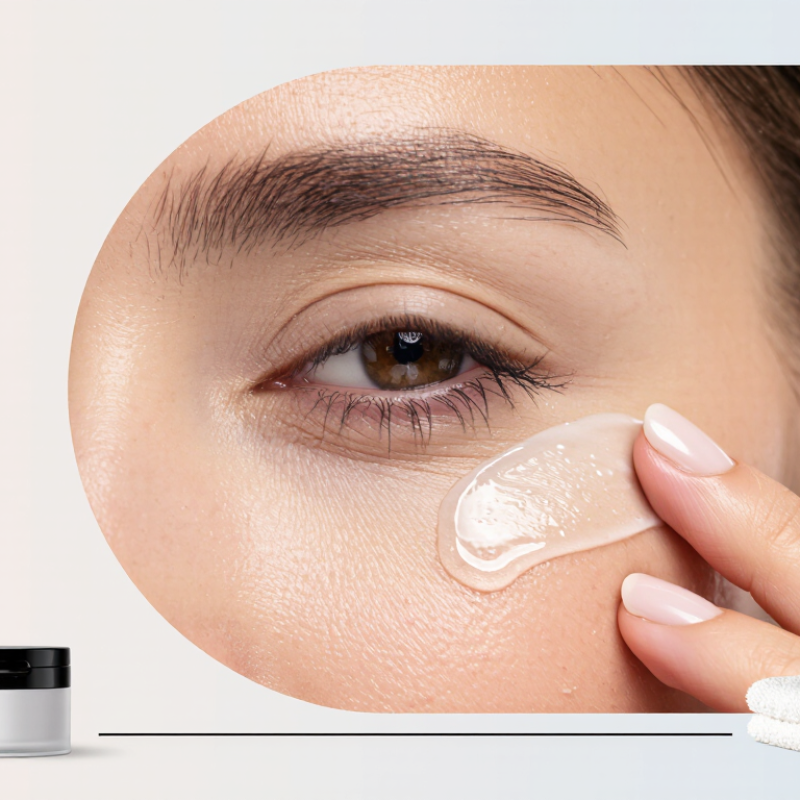
Dehydration lines under the eyes are tiny creases that look sharper when the skin feels dry. They often appear after smiling, rubbing the eyes, or waking after poor sleep. They are not always dehydration. Thin skin, natural aging, sun exposure, and reduced collagen can create a similar pattern. A simple test is to observe the area after gentle cleansing. If it feels tight or looks flaky, surface dryness may be contributing.
A practical routine starts with lukewarm water and a fragrance-free cleanser. Apply a moisturizer while the skin is slightly damp. Ingredients such as glycerin, hyaluronic acid, and ceramides can help support the skin barrier. Use only a small amount, and pat rather than drag the skin. Keep it gentle. Daily broad-spectrum sunscreen also matters, because ultraviolet exposure can deepen fine lines over time. Drinking enough water supports overall health, but extra water alone will not erase established creases.
Strong exfoliating acids and retinoids may irritate this delicate area, especially when applied too close to the eyes. Patch testing is sensible, although it is not perfect. I used to think more product meant faster improvement; irritation proved otherwise. If lines persist despite consistent care, or if swelling, itching, redness, or sudden changes appear, a dermatologist or eye-care professional can check for eczema, allergies, or other causes.
Fresh products are not automatically safer. Context matters.
The skin beneath the eyes is thin and contains fewer oil glands than facial skin. As a result, dryness can make tiny creases look deeper, especially after washing or wearing makeup. The skin is thin.
Common causes include low humidity, hot showers, harsh cleansers, and insufficient fluid intake. Air conditioning can leave the area feeling tight by evening. Rubbing from allergies or tiredness may also irritate the delicate surface. Frequent squinting, prolonged screen use, and unprotected sun exposure can make fine lines more noticeable over time.
Age and genetics matter too. A hollow tear trough, reduced collagen, or natural facial structure may resemble dehydration lines but will not improve fully with moisturizer. Look closely. Persistent itching, redness, scaling, or swelling may suggest dermatitis or an allergy, so a qualified dermatologist should assess those symptoms.
A gentle, fragrance-free moisturizer, daily broad-spectrum sunscreen, and avoiding eye rubbing are sensible starting points. Apply products with a light tapping motion, not a heavy drag. Drinking enough water supports overall health, although extra water cannot erase structural wrinkles. It is tempting to blame dehydration for every crease, but that assumption is not always correct.
What Is the Best Way to Treat Dehydration Lines Under Eyes?
Dehydration lines often look like fine creases beneath the eyes. They may become stronger after poor sleep, dry weather, or long hours indoors. Safe treatment begins with gentle hydration, not aggressive exfoliation. Use a fragrance-free eye moisturizer with ingredients such as glycerin, hyaluronic acid, or ceramides. Apply a small amount to slightly damp skin. Pat softly with your ring finger. Rubbing can increase irritation.
Tips: Drink fluids regularly, but do not expect water alone to erase lines. Use sunscreen around the eye area every morning, avoiding direct contact with the eyes. A cool, clean compress can temporarily soften a dry, tight appearance. Patch-test new products on the jawline first. Keep the routine simple.
Retinoids may support long-term skin texture, but the eye area is sensitive. Ask a qualified dermatologist before using them near the lower eyelids, especially with eczema or easily irritated skin. Stop any product that causes burning, swelling, or persistent redness. I have found that people often add too many products too quickly. That usually makes the skin less comfortable, not more youthful. Dehydration lines can improve, but they may not disappear completely. Persistent creasing, sudden swelling, or darkening deserves professional assessment.
A practical comparison of gentle, evidence-informed options for temporarily improving the appearance of fine lines caused or emphasized by dryness
| Treatment or Ingredient | How It Helps | Typical Use | Expected Benefit | Safety Considerations | Irritation Risk |
|---|---|---|---|---|---|
| Gentle cleansing | Removes sunscreen, makeup, and impurities without excessively stripping surface oils. | Use lukewarm water and a fragrance-free, non-abrasive cleanser once or twice daily. | Helps preserve the skin barrier and may reduce tightness and flaking. | Avoid scrubbing, washcloth friction, and very hot water around the eyes. | Low |
| Humectants Glycerin, hyaluronic acid, or panthenol |
Attract and bind water in the outer layer of the skin, producing a temporarily smoother, more cushioned appearance. | Apply a small amount to slightly damp skin, then follow with a moisturizer. | Fine dehydration lines may look less noticeable within minutes to hours; results are temporary. | Choose an eye-area-safe, fragrance-free formula and avoid getting it directly into the eyes. | Low |
| Barrier-supporting moisturizer Ceramides, cholesterol, fatty acids, or squalane |
Reduces water loss and supports the skin barrier, which can improve dryness-related texture over time. | Apply a thin layer morning and evening after water-based products. | Improved softness and less visible flaking or tightness, commonly over several days to weeks. | Use a non-fragranced product formulated for sensitive skin; stop if persistent stinging or swelling occurs. | Low |
| Occlusive protection Petrolatum or dimethicone |
Forms a protective layer that slows transepidermal water loss and seals in hydration. | Use a very small amount as the final evening step, avoiding the lash line and eye opening. | Can provide noticeable overnight relief when dryness is the main cause of the lines. | May feel heavy or cause temporary blurred vision if it enters the eye; use sparingly. | Low |
| Daily broad-spectrum sunscreen SPF 30 or higher |
Helps prevent ultraviolet-related collagen damage, dryness, and worsening of fine lines. | Apply every morning to the surrounding facial skin and reapply during prolonged outdoor exposure. | Primarily prevents progression; it does not immediately fill existing lines. | Use a product that does not sting the eyes; sunglasses and shade add protection. | Moderate |
| Retinoid treatment Retinol or prescription retinoids |
Can support collagen remodeling and improve some fine lines over months, rather than providing simple hydration. | Only use a very low amount and low frequency around the orbital area if advised by a qualified clinician. | Potentially improves fine lines over approximately 8–12 weeks or longer; results vary. | May cause dryness, burning, peeling, or eye irritation. Avoid during pregnancy unless cleared by a clinician. | High |
| Hydration and lifestyle support | Maintaining normal fluid intake supports overall health, while sleep and allergy control may reduce a tired or crepey appearance. | Drink according to thirst and medical guidance; avoid relying on excessive water intake to treat skin lines. | Helpful when dehydration or poor sleep contributes to dullness, but it cannot replace topical barrier care. | People with kidney, heart, or other medical conditions should follow their clinician’s fluid recommendations. | Low |
| Professional dermatology treatments For persistent structural lines |
Clinician-selected procedures may address collagen loss or skin laxity when moisturization is insufficient. | Requires an assessment to distinguish dehydration lines from wrinkles, dermatitis, allergy, or other conditions. | May provide longer-lasting improvement, but outcomes, downtime, and suitability differ by treatment. | Use only with a qualified medical professional, particularly near the eyes; risks include swelling, pigmentation changes, and other complications. | Moderate to High |
Safety note: Start with gentle cleansing, a humectant, a barrier-supporting moisturizer, and daily sun protection. Patch-test new products, introduce one product at a time, and seek medical advice for persistent redness, itching, swelling, pain, discharge, vision changes, or severe irritation.
Persistent under-eye lines may look worse after cleansing, air travel, or several short nights. Dryness can highlight them, but it is rarely the only cause. Fine lines may also reflect collagen loss, repeated eye movement, allergies, or frequent rubbing. A qualified dermatologist or oculoplastic specialist should examine the skin before recommending treatment. The under-eye area is thin, mobile, and easily irritated.
Professional procedures can help when moisturizers no longer create enough improvement. A clinician may discuss carefully selected laser resurfacing, radiofrequency treatments, or microneedling for uneven texture. Some patients may benefit from small amounts of neuromodulator treatment for movement-related lines. Fillers require particular caution under the eyes because swelling, bluish discoloration, or unevenness can occur. Not everyone is a good candidate. The safest choice depends on skin thickness, pigmentation, puffiness, and tear-trough anatomy.
A proper consultation should include medical history, allergies, previous procedures, and realistic recovery expectations. Eye protection matters during energy-based treatments. Experienced providers also explain possible redness, swelling, pigment changes, infection, and incomplete results. No procedure is perfect. I would be cautious of anyone promising completely smooth skin after one appointment. Persistent lines may improve gradually, while daily sunscreen and a gentle moisturizer support the result. Sometimes the most honest plan combines modest treatment with continued observation.
Dehydration lines often look worse after poor sleep, dry air, or repeated eye rubbing. The under-eye area has delicate skin and fewer oil glands, so moisture escapes quickly. It is tempting to blame every fine line on dehydration. That assumption needs checking. Persistent lines may reflect natural aging, sun exposure, allergies, or facial movement. A board-certified dermatologist can distinguish temporary dryness from deeper wrinkles.
Protecting the skin barrier is usually more useful than chasing instant results. Apply a fragrance-free moisturizer with glycerin, hyaluronic acid, or ceramides to slightly damp skin. Use a small amount, and avoid placing products directly inside the eyes. The American Academy of Dermatology recommends broad-spectrum SPF 30 or higher. Apply sunscreen around the orbital area, then add sunglasses outdoors. This matters because ultraviolet exposure accelerates collagen breakdown and visible aging.
Tips: Keep showers warm, not hot. Use a humidifier during dry months. Avoid rubbing itchy eyes; treat allergies with professional guidance. The National Academies’ Dietary Reference Intakes report recommends about 2.7 liters of total water daily for adult women and 3.7 liters for men, including water from food. Drinking more water alone will not erase lines. I would not promise that. Gentle care, consistent sun protection, and realistic expectations are safer. If burning, swelling, scaling, or sudden changes appear, seek medical advice.
They are fine creases that can look stronger after poor sleep, dry weather, or long indoor hours. They may improve, but not disappear completely.
Use a fragrance-free eye moisturizer with glycerin, hyaluronic acid, or ceramides. Apply a small amount to slightly damp skin.
Pat gently with your ring finger. Avoid rubbing, especially when the skin feels tight or irritated.
Regular fluids support overall hydration, but water alone rarely erases visible lines. A cool, clean compress may temporarily soften dryness.
Use sunscreen around the eye area each morning, while avoiding direct eye contact. Reapply as appropriate during outdoor exposure.
Patch-test it on your jawline first. Stop using it if burning, swelling, or persistent redness appears.
Retinoids may improve texture over time, but the lower eyelids are sensitive. Ask a qualified dermatologist before applying them there.
Seek assessment for lasting creases, sudden swelling, or darkening. Allergies, rubbing, collagen loss, and repeated eye movement may also contribute.
A qualified clinician may discuss laser resurfacing, radiofrequency treatment, or microneedling. Movement-related lines may sometimes receive carefully selected neuromodulator treatment.
No. Fillers can cause swelling, bluish discoloration, or unevenness. Suitability depends on skin thickness, puffiness, pigmentation, and tear-trough structure. Conservative choices matter.
Dehydration lines under the eyes are fine creases that become more noticeable when the delicate skin lacks water, flexibility, or proper support. Common contributing factors include insufficient fluid intake, dry weather, excessive sun exposure, harsh cleansing, poor sleep, aging, and repeated facial movements. Learning how to treat dehydration lines under eyes starts with gentle daily care: cleanse without rubbing, apply a fragrance-free hydrating product to slightly damp skin, moisturize regularly, and use broad-spectrum sun protection. Adequate sleep, balanced nutrition, and drinking enough water can also support the skin’s overall appearance.
If lines remain visible despite consistent home care, a qualified skin professional can assess the area and discuss suitable options, such as carefully selected resurfacing or hydration-focused procedures. Treatments should be approached cautiously because under-eye skin is thin and sensitive. Prevention is equally important: avoid rubbing the eyes, protect the area from sunlight and cold air, introduce new products gradually, and stop using anything that causes irritation. Persistent dryness, swelling, redness, or discomfort should be evaluated by a medical professional.
