OrDie Beauty
In 2026, understanding our skin is more crucial than ever. The skin barrier acts as a shield, protecting us from harmful elements. When compromised, it can lead to various issues like dryness and irritation. According to Dr. Emily Chen, a leading dermatologist, "Identifying a broken skin barrier is essential for recovery."
So, how to tell if your skin barrier is broken? Signs can vary. You might notice increased sensitivity, redness, or frequent breakouts. Your skin may feel tight or rough. It’s essential to be aware of these changes; they can signify deeper problems.
Ignoring these signs can lead to further complications. Reflect on your skincare routine. Are you using harsh products? It’s time to consider gentler options or even consult a professional. Your skin's health is intertwined with your overall well-being. Being proactive is vital for maintaining a strong, healthy barrier.
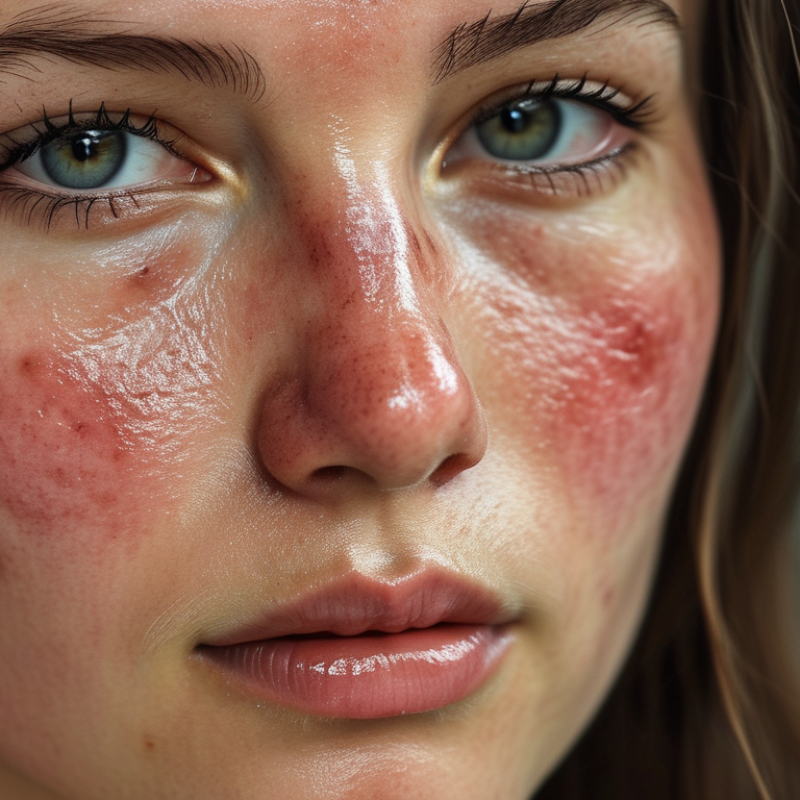
A healthy skin barrier is essential for overall skin health. In 2026, you might notice several signs of a compromised barrier. Look for increased redness or irritation. These symptoms can signal that your skin is struggling to protect itself. Dry patches may appear, causing discomfort.
Another common symptom is excessive dryness. The skin feels tight and flaky. You might even experience breakouts that seem unusual for your skin type. These issues can provoke frustration and anxiety. Consistent skin concerns can lead to questioning your routine.
Sensitivity to products is also a major indicator. If a once-friendly moisturizer suddenly stings, your barrier might be affected. Watch for persistent itchiness, which can diminish your quality of life. It’s easy to overlook these signs, particularly in a fast-paced world. Remember, your skin needs care and attention, especially when it shows these signals.
The health of your skin barrier is crucial for overall skin well-being. Recent studies show that about 60% of people experience compromised skin barriers at some point. This can lead to issues like dryness, inflammation, and sensitivity. With the rise of environmental stressors, the need for awareness is more vital than ever.
Key statistics reveal that approximately 70% of individuals report increased skin sensitivity since 2020. This trend highlights the importance of identifying potential barrier damage. Factors like pollution and improper skincare routines contribute to this growing concern. In fact, a survey found that 55% of users misuse products, which can exacerbate skin barrier issues.
Understanding the condition of your skin barrier is essential. Reports indicate that 40% of people are unaware of the signs of a damaged barrier. Common indicators include redness, itchiness, and flakiness. These symptoms can significantly impact one’s quality of life. Regular skin assessments and a cautious approach to product selection can help maintain a healthy barrier.
The skin barrier acts as a protective shield for your skin. It's essential to know the factors that can lead to its damage. Environmental stressors, like pollution, can weaken this barrier. Dust and toxins in the air can penetrate your skin, leading to irritation and inflammation. Consider how often you spend time in polluted areas. This exposure could be taking a toll on your skin.
Lifestyle choices also play a significant role. Excessive sun exposure can lead to barrier deterioration. Skin can dry out, losing vital moisture. Moreover, harsh skincare products may strip the skin of its natural oils. You may feel tempted to try new products, but they might cause more harm than good. Reflect on how your routine affects your skin.
Hydration is crucial. Drinking enough water may feel simple, yet many forget it. Diet also impacts skin health. Foods high in sugar or processed ingredients can exacerbate problems. Have you evaluated your nutrition lately? A balanced diet supports a stronger skin barrier.
Assessing your skin barrier function requires reliable diagnostic tools available in 2026. A broken skin barrier may lead to issues like dryness or irritation. Dermatologists use various methods to evaluate barrier integrity, ensuring accurate diagnosis.
One essential tool is the transepidermal water loss (TEWL) measurement. Research indicates that compromised barriers result in higher TEWL, indicating moisture loss. A study showed that patients with eczema had 50% higher TEWL compared to healthy individuals. If you notice persistent dryness, a TEWL test could provide clear insight.
Another method involves the use of skin pH measurements. Healthy skin typically has a pH between 4.5 and 5.5. Deviations from this range can signify barrier dysfunction. For example, skin with a pH of 6.5 or higher often indicates irritation or dryness. Utilizing precision tools will enhance your understanding of your skin’s condition. Regular monitoring could refine your skincare routine, preventing further damage.
However, personal assessments may lack professional accuracy. Always consult a dermatologist for comprehensive evaluation and recommendations.
In 2026, assessing your skin barrier's health is crucial. Studies indicate that nearly 50% of individuals experience compromised skin barriers due to environmental stressors. Symptoms like redness, dryness, and sensitivity can signal a damaged barrier. It's essential to pay attention to these signs for effective repair.
To repair and strengthen the skin barrier, focus on hydration and nourishment. Ingredients like ceramides, fatty acids, and hyaluronic acid are pivotal. Research shows that incorporating these components can improve skin hydration by up to 30% within weeks. Consider integrating a gentle cleanser to avoid stripping natural oils. Harsh products may exacerbate sensitivity, leading to more damage.
Regularly applying a soothing moisturizer can also be beneficial. Ensure it contains antioxidants to combat free radicals. However, not all products work for everyone. Sometimes, trial and error is necessary to find what suits your skin. Listen to your body’s responses. It's a learning process, and results vary greatly from person to person.
This chart illustrates the key indicators of a broken skin barrier based on a survey conducted in 2026. The data reflects the prevalence of various symptoms experienced by individuals indicating potential damage to their skin barriers.
: The skin barrier is vital for overall skin well-being. It prevents dryness, inflammation, and sensitivity.
About 60% of individuals face compromised skin barriers at some point in their lives.
Pollution and improper skincare routines are major contributors to skin barrier damage.
Signs include redness, itchiness, and flakiness. Many people are unaware of these indicators.
Focus on hydration with ingredients like ceramides and hyaluronic acid. They improve hydration significantly.
Yes, harsh products can strip natural oils and increase sensitivity. Gentle cleansers are better options.
Regular moisturizer use can help maintain skin hydration and protect against free radicals.
Yes, results vary widely. It's often necessary to experiment to identify what works for your skin.
Research shows that hydration can improve by up to 30% within weeks of using effective ingredients.
Environmental stressors have increased skin sensitivity and compromised barriers for many individuals since 2020.
In the quest to maintain healthy skin, knowing how to tell if your skin barrier is broken is essential. A compromised skin barrier can manifest through various signs and symptoms, such as increased sensitivity, redness, and dryness. Understanding the importance of skin barrier health is crucial, supported by key statistics highlighting its role in overall skin wellness.
Common causes of skin barrier damage often arise from environmental factors like pollution and harsh weather, as well as lifestyle choices such as inadequate skincare routines and stress. To accurately assess skin barrier function, individuals can utilize professional diagnostic tools that provide insight into their skin’s condition. Fortunately, effective strategies exist for repairing and strengthening the skin barrier, enabling individuals to restore their skin's health and resilience.
