OrDie Beauty
When asking “what age should you start using peptide skincare,” many people expect one exact birthday. Skin rarely follows a calendar. A teenager with healthy, comfortable skin may not need a peptide serum. An adult with dryness, fine lines, or reduced firmness may appreciate one earlier.
Dr. Hadley King, a board-certified dermatologist, explains, “Peptides are generally well tolerated, but results depend on the formula and the overall routine.” This practical view matters when comparing China best peptide skincare products. A polished bottle does not guarantee meaningful performance. The ingredient list, packaging, stability, and independent quality controls deserve closer attention.
For many beginners, the late twenties or early thirties can be a reasonable time to explore peptides. However, hydration and daily broad-spectrum sunscreen remain more important foundations. Peptides cannot replace sun protection. They also cannot erase established wrinkles overnight.
Start slowly. Apply a small amount to clean, slightly damp skin. Watch for stinging, redness, or persistent dryness. Patch testing may reveal problems before they spread across the cheeks. Keep the routine simple for several weeks, so changes are easier to judge.
Results can feel subtle. That is normal. Skin may look smoother around the eyes, while deeper lines remain visible. The evidence for topical peptides is promising, but product quality and study design vary. This is where expectations need honesty.
Age offers a useful guide, not a strict rule. Your skin’s condition, tolerance, and routine matter more. A dermatologist can help when irritation, acne, eczema, or sudden skin changes complicate the decision.
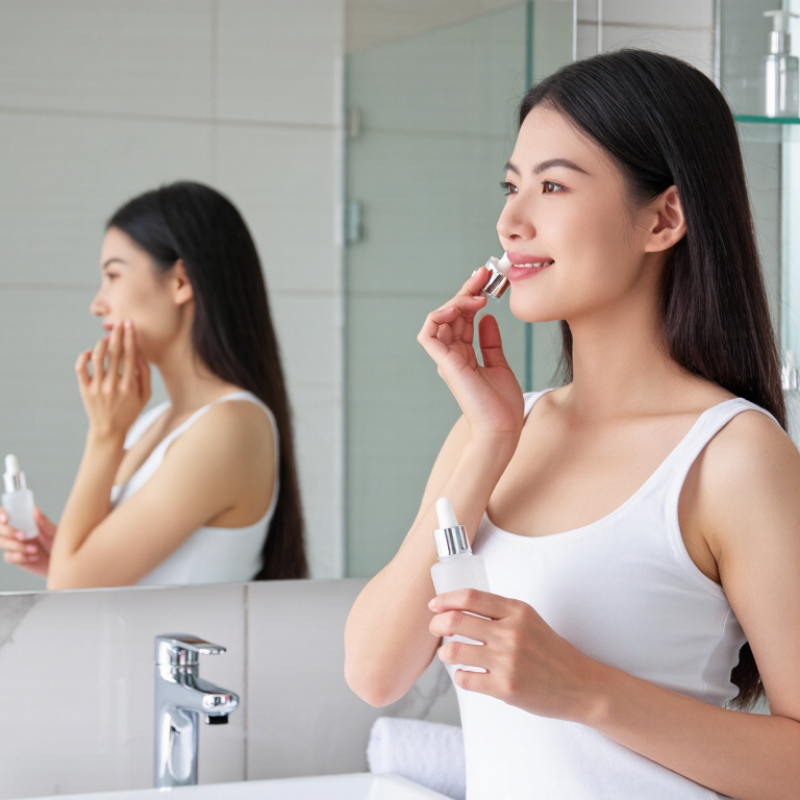
Peptides are short chains of amino acids that help form proteins in the skin. These proteins include collagen, elastin, and keratin. In skincare, certain peptides may signal skin cells to support firmness, hydration, and barrier function. Their effects depend on the peptide type, concentration, and formula quality.
They are not magic. Topical peptides usually work gradually, not overnight. A consistent routine may make fine lines look softer and skin feel smoother after several weeks. However, research remains uneven, and some product claims sound stronger than the evidence. I once assumed every peptide serum worked similarly; that view needs more caution. Ingredients, packaging, and daily sunscreen matter greatly.
There is no universal age for starting peptide skincare. Young adults may use it for hydration, while mature skin may seek added support for visible dryness or fine lines. A simple routine is often enough: gentle cleanser, moisturizer, peptide product, and broad-spectrum sunscreen during the day. Start gently. Apply a small amount to clean skin, then patch test near the jawline. People with eczema, persistent redness, or unexpected irritation should consult a qualified dermatologist. Peptides can support skin health, but they cannot replace sleep, sun protection, or professional medical care.
When Should You Start Using Peptide Skincare?
There is no medically required age for starting peptide skincare. Many people begin in their mid-to-late twenties, when skin feels less bouncy or recovers more slowly after dryness. Peptides may support the skin barrier and improve the look of fine lines, but results vary. They are not instant wrinkle erasers. Dermatology guidance generally favors gentle formulas, daily sunscreen, and realistic expectations.
Your skin type matters more than your birthday. If your cheeks feel tight after cleansing, choose a peptide moisturizer with ceramides or glycerin. If your T-zone becomes shiny, try a lightweight serum. Apply it to clean, slightly damp skin, then seal it with moisturizer. I once assumed more serum meant better results, but excess product only made my skin feel sticky. That assumption needed correcting.
Tips: Patch-test behind your ear first. Use a small amount at night. Wait two weeks before judging results. Stop if burning or swelling appears, and seek professional advice for persistent irritation. In humid or polluted cities, cleanse gently after outdoor exposure, but avoid harsh scrubbing. Ingredients and concentrations differ widely, so reading the label matters more than chasing an age-based rule.
| Age or Skin Stage | Typical Skin Priorities | Is Peptide Skincare Appropriate? | Suggested Approach | Important Considerations |
|---|---|---|---|---|
| Teens and younger than 18 | Oil control, acne management, gentle cleansing, and protection from ultraviolet exposure. | Usually not necessary as a dedicated anti-aging step. | Prioritize a mild cleanser, non-comedogenic moisturizer, and broad-spectrum sunscreen with SPF 30 or higher. | Introduce only products that address a specific need. Patch-test new products and avoid unnecessarily complex routines. |
| Early 20s | Maintaining the skin barrier, preventing irritation, and consistent daily sun protection. | Optional. Peptides may be used if the formula is gentle and the skin has a clear need. | Keep the routine simple. A peptide serum or moisturizer can be added after cleansing and before or instead of moisturizer. | Peptides are not a replacement for sunscreen, hydration, or treatment prescribed for acne or other conditions. |
| Mid-to-late 20s | Preventive care, hydration, early fine lines, and recovery from environmental stress. | A reasonable time to consider regular peptide use. | Use once daily at first, preferably in a hydrating serum or moisturizer, and assess tolerance over several weeks. | Results vary by peptide type and product formulation. Visible changes are generally gradual rather than immediate. |
| 30s | Fine lines, loss of firmness, uneven texture, dryness, and cumulative sun exposure. | Often suitable as part of a balanced anti-aging routine. | Apply a peptide product once or twice daily according to the label, alongside moisturizer and daily broad-spectrum sunscreen. | Do not layer multiple potentially irritating active ingredients at once when starting a new routine. |
| 40s and beyond | Dryness, visible lines, reduced elasticity, rough texture, and increased sensitivity. | May be useful as a supportive, low-irritation skincare step. | Choose a fragrance-free, moisturizing formula if skin is dry or sensitive; apply consistently and support the barrier with a suitable moisturizer. | Peptides cannot reverse every visible sign of aging. Consult a dermatologist for persistent irritation, significant pigmentation, or clinical concerns. |
| Sensitive, dry, or compromised skin at any age | Reducing irritation, restoring comfort, and supporting the skin barrier. | Potentially appropriate, but only after the skin is stable. | Select a short ingredient list, patch-test first, and introduce the product two or three times weekly before increasing use. | Stop use if burning, swelling, rash, or persistent redness occurs. Seek medical advice for severe or recurring reactions. |
| During pregnancy or breastfeeding | Maintaining a simple routine and avoiding ingredients that require medical review. | Peptides are generally used in topical cosmetic products, but individual formulas should be checked. | Review the complete ingredient list with a healthcare professional, especially when the product contains additional active ingredients. | Do not rely on marketing claims; medical guidance is appropriate for pregnancy-specific ingredient questions. |
China Best Peptide Skincare What Age Should You Start?
Peptides do not have a fixed starting age. People in their twenties may use them for hydration and barrier support. In the thirties, they can complement routines targeting early fine lines. After forty, richer peptide formulas may suit drier skin. However, peptides are not replacements for sunscreen, retinoids, or medical treatment. The American Academy of Dermatology consistently identifies broad-spectrum SPF 30 or higher as essential for visible aging prevention.
Choose by skin condition, not birthdays. Look for clearly listed peptide types, moisturizers, and a well-sealed package. A high price does not prove better performance. Grand View Research estimated the global anti-aging market at about US$38.9 billion in 2022, showing strong demand, but market growth is not clinical proof. A 2023 review in the International Journal of Cosmetic Science also noted that peptide evidence varies by ingredient and formula. That limitation matters. I would not promise dramatic lifting from one serum.
Tips: Start with one product, two or three nights weekly. Apply it after cleansing, then use moisturizer. Patch-test near the jaw for 24 hours. In humid Chinese climates, choose a light lotion; in dry seasons, add a cream. Avoid judging results after three days. Take monthly photos in the same window light. If redness, itching, or stinging continues, stop and consult a qualified dermatologist.
Peptides can be introduced when a skincare routine needs additional support for hydration, barrier care, or the visible signs of aging. The chart shows an estimated relative collagen level by age, using age 20 as the reference point and a commonly cited average decline of approximately 1% per year after early adulthood.
How to choose: In your 20s, focus on hydration and barrier-supporting formulas. In your 30s and 40s, consider peptide products aimed at improving the appearance of fine lines and supporting firmness. From your 50s onward, combine peptides with moisturizer and daily broad-spectrum sunscreen for comprehensive skin-aging care.
China Best Peptide Skincare: What Age Should You Start?
Peptide skincare does not require a fixed starting age. Many people begin in their late twenties, when dryness, slower recovery, or fine lines appear. Younger adults can also use peptides for hydration and barrier support. The formula matters more than the number on your birthday. Choose a simple serum with clearly listed ingredients and avoid strong fragrance if your skin reacts easily. Start with clean, dry skin, then apply moisturizer. Use sunscreen every morning.
Tips: Patch-test the product behind your ear or along your jaw for 24 hours. Apply peptides once daily for the first week. If your skin feels tight, itchy, or unusually warm, stop and reassess. Do not introduce several new actives together. That makes reactions difficult to understand. Keep the bottle closed and store it away from heat and direct sunlight.
A safe routine should feel boring. That is often a good sign. Peptides may support smoother-looking skin, but they cannot replace sleep, sun protection, or professional care. People with eczema, persistent acne, or a damaged barrier should ask a qualified dermatologist before experimenting. Results also take time, usually several weeks, and personal expectations may be too high. I would rather use one gentle product consistently than chase dramatic changes with a crowded routine.
Peptide skincare does not require a fixed starting age. Many people begin in their mid-twenties, when dryness or fine lines first appear. Others start later, with equally reasonable results. Age alone should not decide your routine. Skin condition matters more.
Topical peptides may support a smoother, softer appearance. They can improve hydration and make fine lines look less noticeable. Results usually develop gradually over eight to twelve weeks. Do not expect a lifted face overnight. That expectation is unrealistic.
A simple routine often works better: gentle cleanser, peptide moisturizer, and daily broad-spectrum sunscreen. Consistency matters more than an expensive formula.
Side effects are usually mild, but they can happen. Redness, stinging, itching, or small bumps may appear, especially on sensitive skin. Fragrance and preservatives may cause more trouble than the peptide itself. Patch-test a small area for two days before applying it widely. Stop if irritation continues. People with eczema, active rashes, or persistent acne should ask a qualified dermatologist for advice.
One detail is easy to miss. Peptides differ by formula, concentration, and stability. “Peptide” on a label does not guarantee strong performance. Keep expectations modest. I would also reconsider using many active ingredients together, because irritation can hide what actually helped.
There is no medically required age. Many people begin in their mid-to-late twenties. Skin condition matters more than birthdays.
Yes, younger adults may use peptides for hydration and barrier support. They do not need visible fine lines first. Keep the routine simple.
Choose a gentle formula with clearly listed ingredients. Dry cheeks may need ceramides or glycerin. Oily areas may prefer a lightweight serum.
Apply a small amount to clean, slightly damp skin. Follow with moisturizer. Use sunscreen every morning. Do not apply more product automatically.
Yes. Test behind your ear or along your jaw. Leave it for 24 to 48 hours. Stop if burning, swelling, or persistent itching appears.
Results usually develop gradually over several weeks. Some changes may appear after eight to twelve weeks. Overnight lifting is not realistic.
Sensitive skin may develop redness, stinging, itching, or small bumps. Fragrance and preservatives may cause more trouble than peptides. Skin can be unpredictable.
No. Peptides may support smoother-looking skin, but they cannot replace sunscreen, sleep, or medical advice. Persistent rashes need professional assessment.
It is better to introduce one new product at a time. Several actives can increase irritation and hide what actually helped. I once assumed more serum worked better, but my skin only felt sticky.
Keep the bottle closed and away from heat and direct sunlight. Check the label carefully. “Peptide” alone does not guarantee strong performance.
Peptides are short chains of amino acids that help support the skin’s natural processes, including the production of collagen and other proteins linked to firmness, smoothness, and resilience. The question “what age should you start using peptide skincare” has no single answer, because skin needs vary. Many people may introduce peptide products in their 20s as a gentle preventive step, while others may begin later when they notice dryness, fine lines, or reduced elasticity. Consistency and overall skin health are usually more important than starting at a specific age.
To choose the best peptide skincare for your age, consider your skin type, concerns, and the product’s supporting ingredients. Start with a simple cleanser, moisturizer, and peptide serum or cream, applying products gradually and using sunscreen during the day. Patch testing can help reduce the risk of irritation. Results are often subtle and develop over several weeks, with skin feeling smoother and more hydrated. Mild redness, dryness, or sensitivity may occur, so discontinue use if discomfort continues and seek professional advice when necessary.
