Peptides have gained popularity in skin care for their potential to reduce wrinkles. Many people wonder, "how long does it take for peptides to reduce wrinkles?" This question reflects a common desire for effective anti-aging solutions. While clinical studies suggest visible improvements in skin texture, the timeline varies significantly among individuals.
Factors such as skin type, age, and the specific peptide used can influence results. Some users may notice changes in just a few weeks, while others could take several months to see the benefits. Consistency is key, and incorporating peptides into a daily routine can enhance results. However, it's important to approach expectations realistically. Not everyone will experience the same level of improvement.
Understanding the science behind peptides helps frame our expectations. These small proteins work by stimulating collagen production and supporting skin elasticity. Yet, the journey to smoother skin can be complex. It's essential to find the right product and apply it consistently. As we delve deeper into the effects of peptides, remember that patience is crucial.
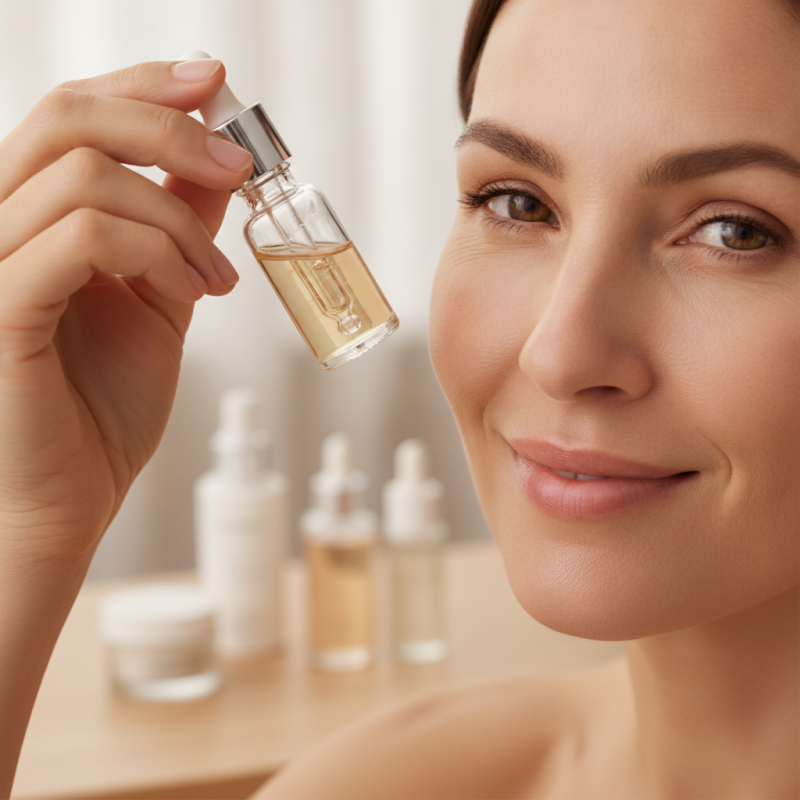
Understanding Peptides and Their Role in Skincare
Peptides are short chains of amino acids. They play a significant role in skincare, especially in addressing wrinkles. These tiny proteins signal skin cells to perform specific functions. This can lead to increased collagen production and improved skin elasticity. As we age, our natural collagen levels decrease, which contributes to wrinkle formation. Peptides can help counteract this process.
Using products with peptides can be beneficial. However, results can vary. Some users may notice changes during the first few weeks. Others might need several months to see a difference. The skin's response can depend on various factors, including age and skin type. Patience is essential when incorporating peptides into your routine.
**Tips:**
Start slowly. Introduce peptide products gradually. Monitor how your skin reacts over time. If irritation occurs, adjust the frequency of use. Consider pairing peptides with other skincare ingredients for enhanced effects. Consistency is key in any skincare regimen.
The Science Behind Wrinkle Reduction with Peptides
Peptides are small chains of amino acids, playing a vital role in skin health. Their ability to stimulate collagen production is what makes them effective in reducing wrinkles. When applied topically, peptides can penetrate the skin’s outer layer. This triggers a response that encourages the skin to repair itself, leading to a firmer, smoother appearance.
The science behind wrinkle reduction with peptides lies in their signaling capabilities. Peptides send messages to our skin cells, prompting them to regenerate. This process can improve texture and elasticity. However, results may vary. Factors like skin type and age affect how quickly one sees changes. Regular use of peptides can yield better outcomes, but patience is essential. Each person's skin responds at its own pace.
Despite the promising benefits, not everyone gets the same results. Some may find the effects minimal or slow. This could be due to various reasons, including overall skincare routine and lifestyle choices. Understanding the science behind peptides can help set realistic expectations. Embracing a holistic approach to skin health is crucial for optimal results.
Timeline of Visible Results: Peptides and Wrinkle Improvement
Peptides have gained attention for their potential to improve skin texture and reduce the appearance of wrinkles. Research indicates that visible results may vary based on several factors. Typically, users can start noticing changes between four to twelve weeks of consistent use. A study published in the Journal of Cosmetic Dermatology noted that participants observed significant wrinkle reduction by week eight. This timing correlates with the skin's natural turnover cycle.
In addition, a clinical evaluation showed that individuals using peptide-based products reported a 30% improvement in skin elasticity over three months. This statistic highlights the gradual yet effective impact of peptides. Nevertheless, results are not universal. Individual responses can differ due to age, skin type, and overall skincare routines. Therefore, while many may see improvements, some might require longer durations to achieve desired outcomes.
Maintaining patience is crucial in this journey. Skin healing and regeneration take time, and expectations should align with biological realities. Some may not see immediate effects, leading to frustration. However, staying committed to a consistent routine can yield positive results over time. Balancing expectations with patience can guide anyone using peptide treatments toward eventual improvement.
How Long Does It Take for Peptides to Reduce Wrinkles? - Timeline of Visible Results
| Time Period |
Visible Results |
Skin Condition |
Recommended Peptide Type |
| 2 weeks |
Initial hydration and plumpness |
Dry skin |
Hydrolyzed collagen |
| 4 weeks |
Reduction in fine lines |
Moderate wrinkles |
Peptides that boost collagen |
| 8 weeks |
Noticeable wrinkle reduction |
Deep wrinkles |
Signal peptides |
| 12 weeks |
Smoother skin texture |
Ageing skin |
Neuropeptides |
Factors Influencing the Effectiveness of Peptides on Skin
Peptides are gaining attention for their potential to reduce wrinkles. However, several factors influence their effectiveness. For starters, the formulation of the peptide matters. Different peptides target various skin issues. Their molecular size affects penetration. Smaller peptides often provide better results because they can penetrate deeper into the skin layers.
The concentration of peptides also plays a crucial role. Higher concentrations can enhance efficacy, but they also need to be formulated carefully. Too high a concentration might irritate the skin. Individual skin types and conditions are essential considerations as well. For instance, those with sensitive skin may react differently than others.
**Tips:** Always patch test any new product. Monitor your skin's reaction closely. Consider consulting a dermatologist for personalized advice. Remember, the environment affects skin health too. Pollution and UV exposure can impede results. Regular hydration and a balanced diet support skin's health and enhance peptide effectiveness.
Recommended Peptide Products for Reducing Wrinkles
Peptides are small chains of amino acids that can help reduce wrinkles and improve skin texture. They work by stimulating collagen production, which is essential for skin elasticity and firmness. With regular use, many people notice visible changes in their skin. However, results can vary significantly between individuals.
When considering peptide products, look for those containing matrixyl, copper peptides, or Argireline. These ingredients are known for their anti-aging benefits. Matrixyl has been shown to stimulate collagen and elastin synthesis. Copper peptides can also promote healing and boost skin strength. Argireline is often touted as a topical alternative to Botox, targeting fine lines.
It’s essential to choose products with high-quality ingredients. Not all peptide products are created equal, and some may not deliver the promised results. Reading reviews and seeking professional recommendations can help in making informed decisions. Incorporating peptides into your skincare routine may take time to show effects, and consistency is key to achieving desired outcomes.
FAQS
: Users typically notice changes within four to twelve weeks of consistent use.
Clinical evaluations show a 30% improvement in skin elasticity over three months for many users.
No, individual responses vary due to age, skin type, and overall skincare routines.
Skin healing takes time. Many may not see immediate effects, which can be frustrating.
Look for ingredients like matrixyl, copper peptides, or Argireline for their anti-aging benefits.
No, not all products deliver the promised results. Quality of ingredients varies significantly.
Argireline is often seen as a topical alternative to Botox, targeting fine lines effectively.
Peptides stimulate collagen production, which is crucial for improving skin elasticity and firmness.
Align expectations with biological realities; results vary, and some may need longer to see improvements.
Read reviews and seek professional recommendations to make informed decisions on peptide products.
Conclusion
Peptides play a crucial role in skincare, particularly in wrinkle reduction, due to their ability to stimulate collagen production and enhance skin elasticity. The science behind this process involves peptides interacting with skin cells to promote repair and rejuvenation. However, when considering "how long does it take for peptides to reduce wrinkles," users can expect varying timelines. Typically, initial improvements may be visible within a few weeks, while more significant results often become apparent after several months of consistent use.
Several factors can influence the effectiveness of peptides on the skin, including the concentration of peptides, the formulation of the product, and individual skin types and conditions. For optimal results, it's essential to choose high-quality peptide products designed for wrinkle improvement. Overall, patience and consistency are key when incorporating peptides into a skincare routine aimed at reducing the appearance of wrinkles.
 OrDie Beauty
