OrDie Beauty
Dry, tight skin can feel like fine paper after cleansing. That discomfort raises a practical question: why is water enriched essence better for dry skin? The answer is not simply “more water.” A useful essence combines humectants, barrier-supporting ingredients, and a lightweight texture. Humectants such as glycerin and hyaluronic acid attract water. Ceramides and fatty acids help reduce moisture loss afterward.
The American Academy of Dermatology Association recommends applying moisturizer immediately after bathing, while skin remains slightly damp. It also notes that creams and ointments usually hydrate dry skin more effectively than lotions. This guidance supports a layered routine, but it does not prove that every water-enriched essence is superior. The product’s formula matters more than its marketing name. Dermatologist Zoe Diana Draelos, MD, has explained, “The best moisturizers contain ingredients that hydrate, occlude, and repair the skin barrier.” That principle gives this topic stronger clinical grounding.
Market research also reflects rising interest in hydration-focused skincare. Grand View Research reported continued growth in the global skincare market, driven partly by demand for moisturizing and barrier-care products. However, industry sales data measure consumer behavior, not clinical effectiveness. That distinction is easy to miss. An essence may leave a cool, fresh layer on the cheeks, yet evaporate quickly without an occlusive cream. Sensitive skin may also react to fragrance or alcohol. This introduction examines the evidence, ingredient science, and real-world limits behind why is water enriched essence better for dry skin, while recognizing that “better” depends on skin condition, climate, and the complete routine.
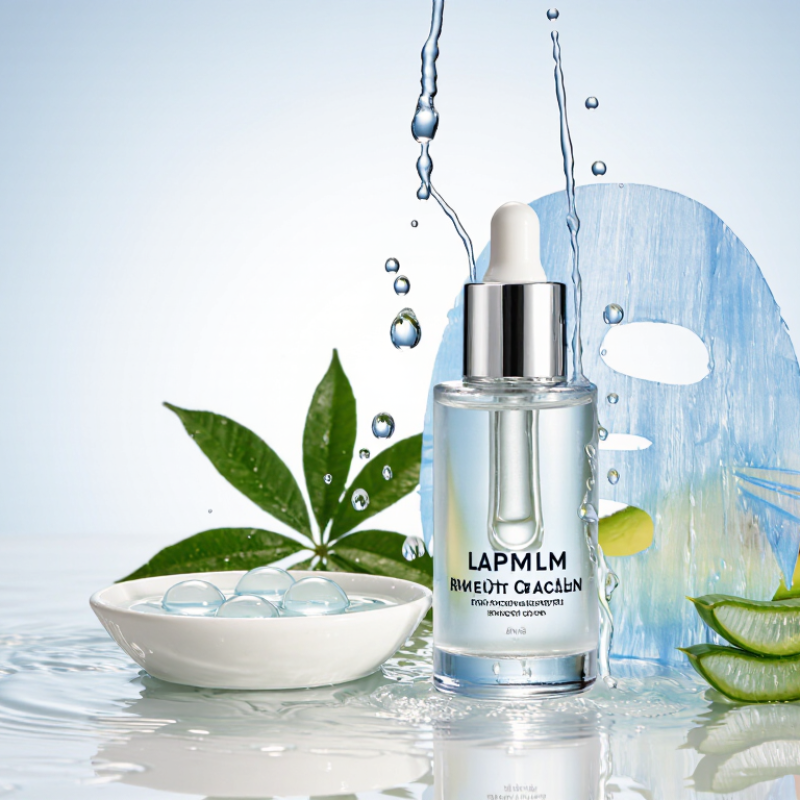
A water-enriched essence is a lightweight skincare liquid designed to add moisture before heavier products. It usually contains water, humectants, and soothing ingredients. Humectants, such as glycerin or hyaluronic acid, attract water toward the skin’s surface. Some formulas also include small amounts of amino acids, minerals, or gentle plant extracts. The texture feels thinner than a cream but richer than plain water.
Think of it as a damp cushion.
For dry skin, this format can make a routine feel more comfortable. After cleansing, the essence spreads quickly across tight, flaky areas. I have noticed that applying it to slightly damp skin often reduces that dry, stretched feeling. Dermatology guidance commonly supports humectants for improving skin hydration, but an essence cannot replace every moisturizer. It mainly adds water, while a cream helps slow water loss with oils and barrier-supporting ingredients.
Not every water-enriched essence suits every person. Fragrance, alcohol, or too many botanical extracts may irritate sensitive skin. Dry skin can also be dehydrated, rough, or genuinely barrier-impaired, and those conditions are not identical. This distinction is easy to miss. A simple formula may work better than an impressive ingredient list. Apply a small amount first, then seal it with moisturizer. Patch testing is sensible, especially when the skin is cracked or reactive. The result may be subtle, not dramatic. That is still useful.
Why Is Water Enriched Essence Better for Dry Skin?
Dry skin often feels tight after cleansing, especially around the cheeks and mouth. A water-enriched essence can deliver light hydration without leaving a heavy, greasy layer. Its fluid texture spreads quickly across the skin. It feels weightless. Many formulas contain humectants such as glycerin, hyaluronic acid, or panthenol. These ingredients attract water and help the surface feel softer. Applying the essence to slightly damp skin may improve comfort and reduce that pulled feeling. In my experience, pressing it gently with warm palms feels more effective than rubbing quickly.
Lightweight hydration also supports layering. You can apply one thin layer in the morning, then add a richer cream when the air feels cold or dry. This approach suits people who dislike thick products but still need lasting comfort. However, an essence cannot replace every moisturizer. Dryness may also involve a weakened skin barrier, which needs supportive ingredients such as ceramides, oils, or fatty acids. I once confused fast absorption with complete hydration. That was not quite right. A product that disappears quickly may still need help from a cream. Skin can react differently, so patch testing and checking the ingredient list remain sensible steps, especially for sensitive skin.
Why Is Water Enriched Essence Better for Dry Skin?
Key Ingredients That Support Moisture Retention
Water-enriched essence can give dry skin a quick, comfortable drink of moisture. Its lightweight texture spreads easily across rough areas, especially after cleansing. However, water alone evaporates quickly. The formula needs supportive ingredients to keep that moisture close to the skin.
Glycerin and hyaluronic acid are common humectants. They attract water and help the outer skin feel softer. Panthenol and beta-glucan may also reduce tightness and support a calmer feel. In my experience, applying essence to slightly damp skin feels more effective than using it on completely dry skin. Small detail. It can change the finish.
Moisture retention also depends on barrier-supporting ingredients. Ceramides, fatty acids, and squalane help reduce water loss by strengthening the skin’s protective surface. A gentle essence may work well under a richer cream. Still, more layers are not always better. Excess product can feel sticky or cause pilling. Formulas with strong fragrance may also bother sensitive skin, even when the ingredient list looks impressive. Check how your skin responds over several days, not just after one application. Dryness can come from weather, cleansing habits, or irritation, so an essence cannot solve every cause.
| Ingredient or Ingredient Group | Primary Moisture Function | How It Supports Dry Skin | Typical Formula Considerations | Evidence-Based Notes |
|---|---|---|---|---|
| Water | Immediate hydration vehicle | Provides the aqueous phase that dissolves and distributes water-soluble humectants across the skin. | Hydration is temporary unless followed by ingredients that reduce evaporation, such as emollients or occlusives. | Water alone does not reliably prevent transepidermal water loss; a complete formula is more important than water content by itself. |
| Glycerin | Humectant | Attracts and holds water in the outermost layer of the skin, helping improve softness and flexibility. | Often used in water-based products; excessive levels may feel sticky depending on the rest of the formula and climate. | Glycerin is a well-established humectant and a natural moisturizing factor component found in the stratum corneum. |
| Hyaluronic Acid and Sodium Hyaluronate | Humectant and film-forming hydrator | Helps bind water at the skin surface; different molecular sizes can provide hydration in different layers of the outer skin. | Sodium hyaluronate is a salt form commonly used for improved formula compatibility; it should be balanced with barrier-supporting ingredients. | Topical hyaluronic acid can temporarily increase skin hydration and improve the appearance of fine dehydration lines. |
| Panthenol | Humectant and skin-conditioning agent | Helps attract moisture while supporting a smoother, more comfortable skin feel. | Commonly included in leave-on products designed for dry or sensitive-feeling skin. | Panthenol, also known as provitamin B5, is widely used for moisturizing and soothing properties. |
| Betaine | Osmolyte and humectant | Helps maintain water balance and may reduce the tight or dry feel associated with cleansing and environmental stress. | Useful in lightweight water-based essences because it can add hydration without a heavy oily texture. | Betaine is a naturally occurring osmolyte used in cosmetics for skin conditioning and moisture support. |
| Amino Acids | Natural moisturizing factor support | Help supplement water-binding components naturally present in the stratum corneum. | Usually used as a blend; the overall formula pH and concentration influence skin comfort. | Amino acids are components of the skin’s natural moisturizing factor, which helps maintain hydration in the outer skin layer. |
| Ceramides | Barrier-supporting lipid | Help replenish intercellular lipids that reduce moisture loss and support the skin barrier. | Typically more effective in emulsions or lipid-compatible systems than in very watery formulas; compatibility matters. | Ceramides are important structural lipids in the stratum corneum and are commonly used in barrier-repair formulations. |
| Cholesterol and Fatty Acids | Barrier-lipid support | Work with ceramides to support the organized lipid structure that helps limit transepidermal water loss. | Usually incorporated through richer emulsions, lotions, or creams rather than thin essences. | These lipids naturally occur in the skin barrier and are relevant to formulas intended for barrier impairment and dryness. |
| Squalane and Plant-Derived Oils | Emollient and moisture-loss reducer | Softens rough skin and helps form a smoother surface that can reduce the feeling of moisture loss. | May add slip and richness; lightweight versions can be used in essence-emulsion textures. | Emollients improve skin feel and smoothness; their ability to reduce water loss depends on the complete formulation. |
| Dimethicone | Occlusive and protective film former | Creates a breathable, water-resistant film that can slow evaporation and reduce roughness. | Often used in creamier textures; the amount affects spreadability and after-feel. | Silicone-based occlusives can reduce transepidermal water loss and improve the feel of dry skin. |
| Beta-Glucan | Humectant and film-forming conditioner | Helps improve hydration and may provide a soothing, cushioned skin feel. | Can increase viscosity or create a slightly gel-like texture depending on the form and concentration. | Topical beta-glucan is used in cosmetic products for moisturizing and skin-conditioning benefits. |
| Formula Design: Humectants + Emollients + Occlusives | Multi-layer moisture strategy | Humectants attract water, emollients smooth the surface, and occlusives help slow water evaporation. | A water-enriched essence is generally most useful when layered under a moisturizer, especially in dry climates or for very dry skin. | Combining complementary ingredient groups is generally more effective for moisture retention than relying on a single hydrating ingredient. |
Practical takeaway: Apply a water-enriched essence to slightly damp skin, then follow with a moisturizer to help seal in hydration. Patch testing is advisable for sensitive skin.
Dry skin often feels tight after cleansing because water escapes through a weakened skin barrier. A water-enriched essence may help by supplying humectants such as glycerin, hyaluronic acid, or panthenol. These ingredients attract and hold water near the skin’s surface.
The American Academy of Dermatology estimates that atopic dermatitis affects up to 10% of adults and 20% of children, showing why gentle hydration matters for many people.
Use the essence after cleansing, while your face is still slightly damp. Lukewarm water is safer than hot water. Pour three to five drops into clean palms, then press them across your cheeks, forehead, and neck. Avoid aggressive rubbing.
Wait about 30 seconds, then apply a fragrance-free moisturizer within one to three minutes. This helps reduce water loss. Very dry areas may need a thin occlusive layer at night.
The National Eczema Association advises choosing products with fewer potential irritants and testing new formulas carefully. Patch-test first.
I sometimes apply too much essence, expecting faster results; that can leave the skin sticky without improving comfort. One layer is usually enough. If burning, redness, or persistent peeling appears, stop using it and seek professional dermatological advice.
Water-enriched essence can feel comforting when dry skin looks dull, tight, or slightly flaky. Its lightweight texture often contains humectants, such as glycerin or hyaluronic acid, which attract water toward the skin’s surface. After cleansing, a few drops can soften rough cheeks and help later products spread more evenly. The effect is fresh, not greasy.
However, it may not be enough for very dry skin. Severe dryness often involves a weakened skin barrier, allowing moisture to escape quickly. An essence adds hydration, but it usually does not provide enough oils or occlusive ingredients to seal that moisture in. Skin may feel smooth for ten minutes, then become tight again. I once assumed more layers would solve this problem. They did not. Sometimes, fewer products and a richer moisturizer work better.
Tips: Apply essence to slightly damp skin, then follow with a fragrance-free cream. Use a gentle cleanser and avoid hot water, which can worsen dryness. If skin remains cracked, painful, intensely itchy, or irritated, consider professional dermatological advice. Patch testing is sensible, especially when trying several hydrating products together. Hydration helps, but barrier support matters more.
Its fluid texture provides light hydration without a greasy layer. It spreads quickly across tight cheeks and dry areas.
Humectants such as glycerin, hyaluronic acid, and panthenol attract water near the skin’s surface.
Use it after cleansing, while your face remains slightly damp. Lukewarm water is gentler than hot water.
Pour three to five drops into clean palms. Press it across your cheeks, forehead, and neck.
Press gently with warm palms instead of rubbing quickly. This feels calmer and may reduce pulling sensations.
Not always. An essence adds water, but a cream may better support moisture retention and the skin barrier.
Wait about 30 seconds, then apply a fragrance-free moisturizer. Very dry areas may need a thin occlusive layer at night.
Severe dryness can involve a weakened barrier. The essence may feel smooth briefly, then tightness can return.
Usually, one layer is enough. I once applied too much, and my skin became sticky without feeling better.
Stop if burning, redness, cracking, painful peeling, or intense itching appears. Patch-test new formulas first and seek dermatological advice when needed.
A water-enriched essence is a lightweight skincare product designed to deliver a concentrated boost of hydration without leaving a heavy or greasy feeling. It usually contains water-binding ingredients such as humectants, which help attract moisture to the skin’s surface and improve its soft, comfortable appearance. This explains why is water enriched essence better for dry skin: its fluid texture absorbs easily, supports daily moisture balance, and can be layered under creams or oils.
For best results, apply the essence after cleansing, while the skin is still slightly damp, and gently pat it in before following with a moisturizer. Ingredients like glycerin, hyaluronic acid, panthenol, and soothing botanical extracts may help support moisture retention and reduce the feeling of tightness. However, an essence may not be enough for severely dry or compromised skin on its own. In those cases, a richer moisturizer or protective balm is useful to seal in hydration and strengthen the skin’s moisture barrier.
