OrDie Beauty
OrDie Beauty
OrDie Beauty
Advanced OEM/ODM Solutions and Private Label Exfoliating Alternatives
Sourcing Strategies, Ingredient Trends, and Market Projections for Lactic Acid Formulations
The global market for chemical exfoliants, specifically Alpha Hydroxy Acids (AHAs), is experiencing a structural shift toward mild yet highly effective resurfacing agents. Among these, Lactic Acid (2-hydroxypropanoic acid) stands out due to its unique molecular configuration. Boasting a larger molecular size than glycolic acid, lactic acid penetrates the stratum corneum at a slower, more controlled rate. This reduces micro-irritation and localized erythema, making it highly desirable for consumers with sensitive skin barriers.
From a commercial and macro-industrial perspective, skincare brands are moving away from traditional physical scrubs—which are increasingly restricted due to environmental concerns surrounding microplastics and mechanical epidermal micro-tearing—toward smart-gel formulations. According to recent demographic analyses, search queries for "gentle chemical peeling gel" and "non-irritating AHA exfoliating gel" have surged by over 140% in Western and East Asian markets. This search intent shift represents a major opportunity for brands looking to expand their chemical exfoliation product lines.
SEO Insight & Information Gain: When consumers search for Lactic Acid Exfoliating Gels, their intent is not just to find a product that removes dead skin. They are searching for a solution that addresses dual requirements: effective desquamation of corneocytes combined with an increase in dermal hydration. Lactic Acid is the only AHA that actively stimulates the synthesis of ceramides and serves as a natural component of the skin's Natural Moisturizing Factor (NMF).
To capture this growing segment, global B2B procurement professionals must identify manufacturers capable of formulating high-purity L-lactic acid (the biologically active isomer) rather than racemic mixtures. The sourcing decision requires evaluating raw material pathways, bio-fermentation capabilities, and quality control systems that ensure consistent pH values and free-acid concentrations across large-scale manufacturing runs.
A Professional Standard for Global Brand Directors and Procurement Managers
When selecting a contract manufacturer for Lactic Acid exfoliating gels, brand owners must look beyond simple pricing tables. High-level compliance, technological infrastructure, and stable formulation parameters represent the foundation of brand protection and consumer satisfaction. Below is the technical evaluation framework used by leading dermatological brands:
The biological activity of Lactic Acid depends on the pH of the final formula. Top manufacturers use precise buffering agents (like Sodium Lactate) to maintain a pH range of 3.5 to 4.2. This balances exfoliation efficacy with skin barrier preservation.
Consumer peeling gels require specific polymer structures (such as carbomer-cationic surfactant complexes) to clump when rubbed. This sensory cue is vital for consumer engagement and depends on precise polymer mixing.
Gels containing biological extracts and organic acids are susceptible to degradation. Manufacturers must run extensive accelerated stability testing, including freeze-thaw cycles, to verify formula integrity.
Strategic Manufacturing Capabilities of Shandong OrDie Beauty Co., Ltd.
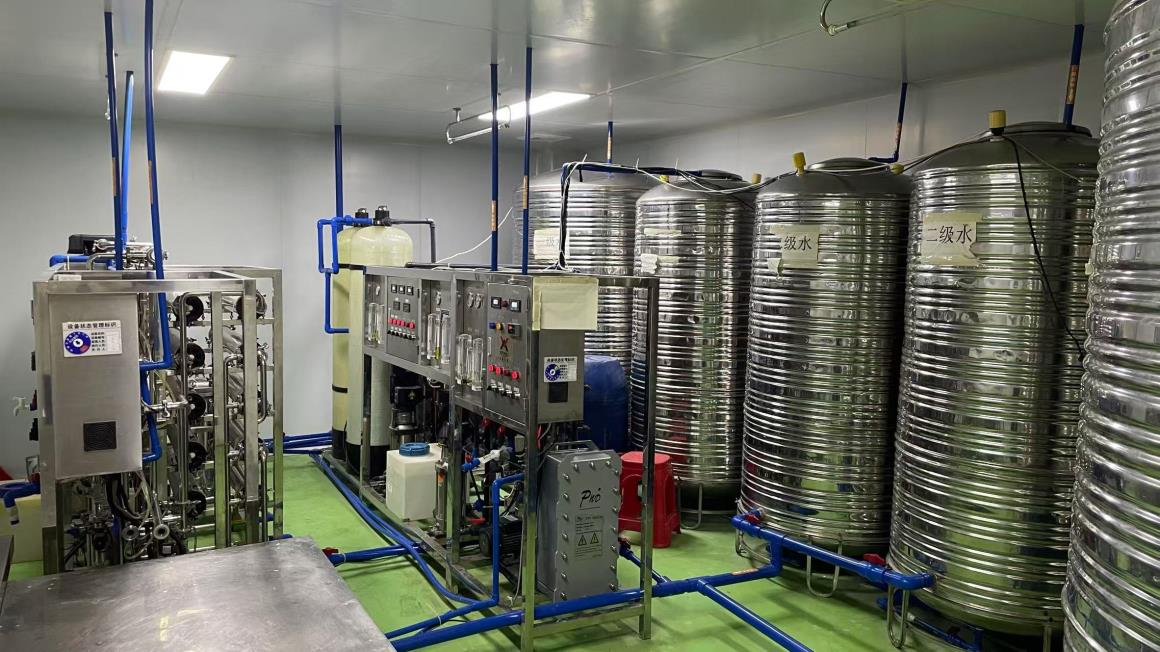
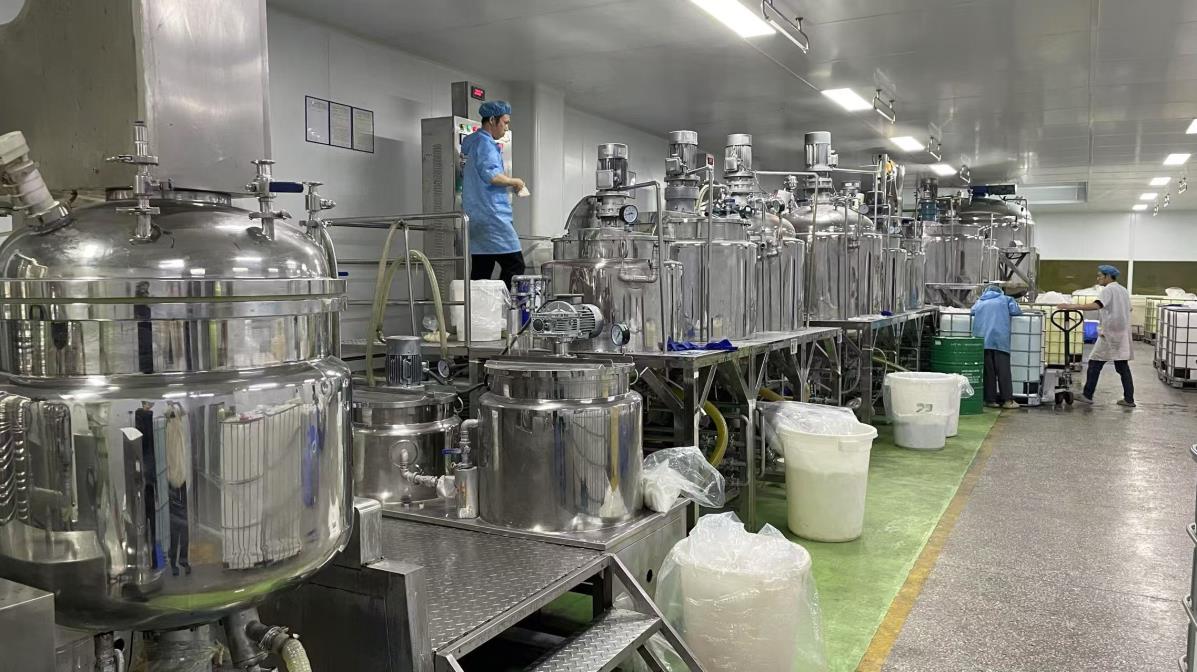
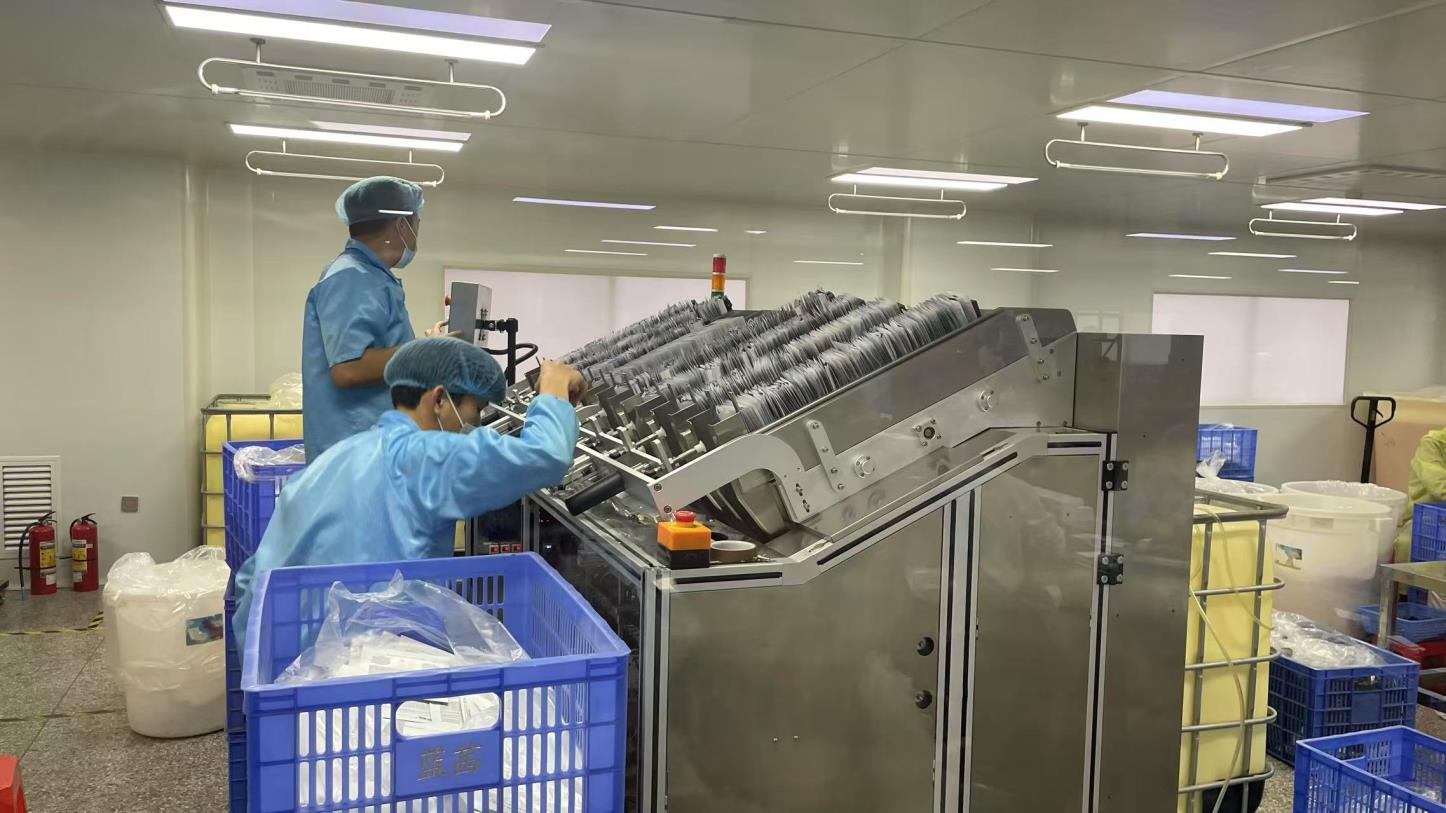
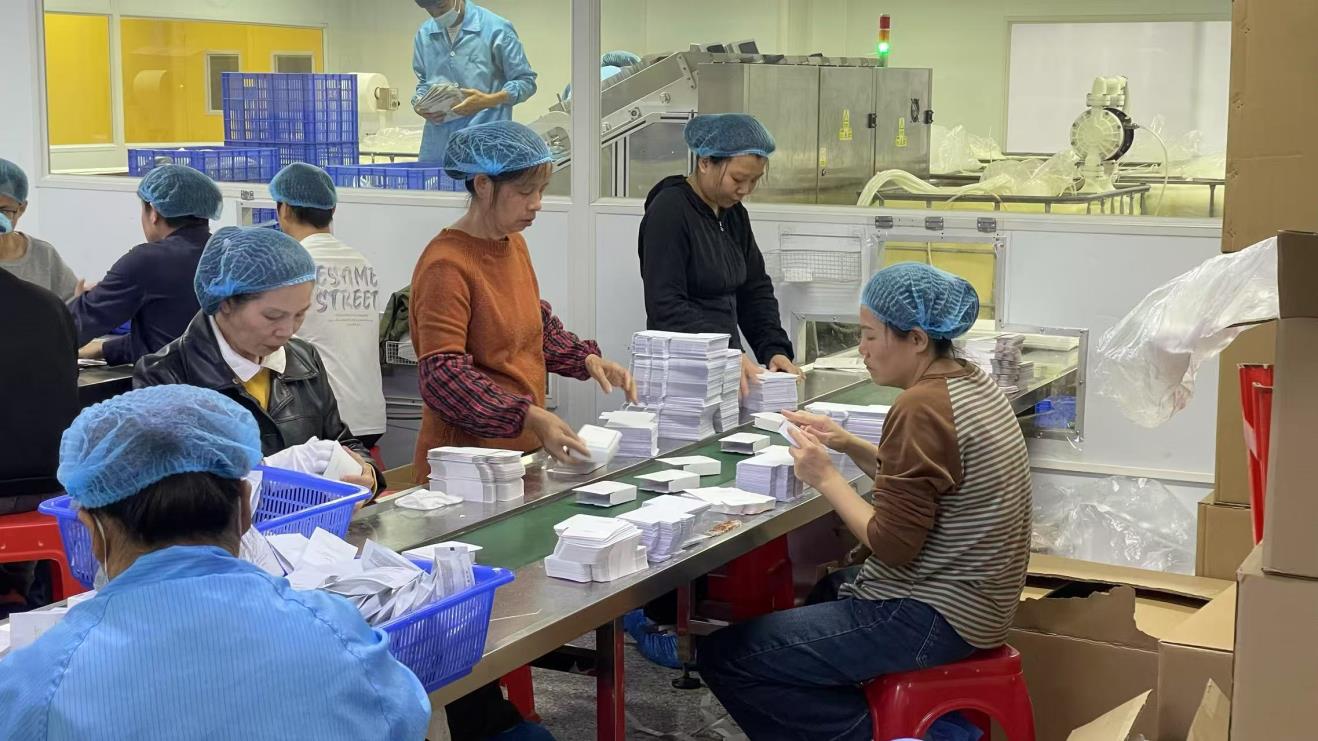
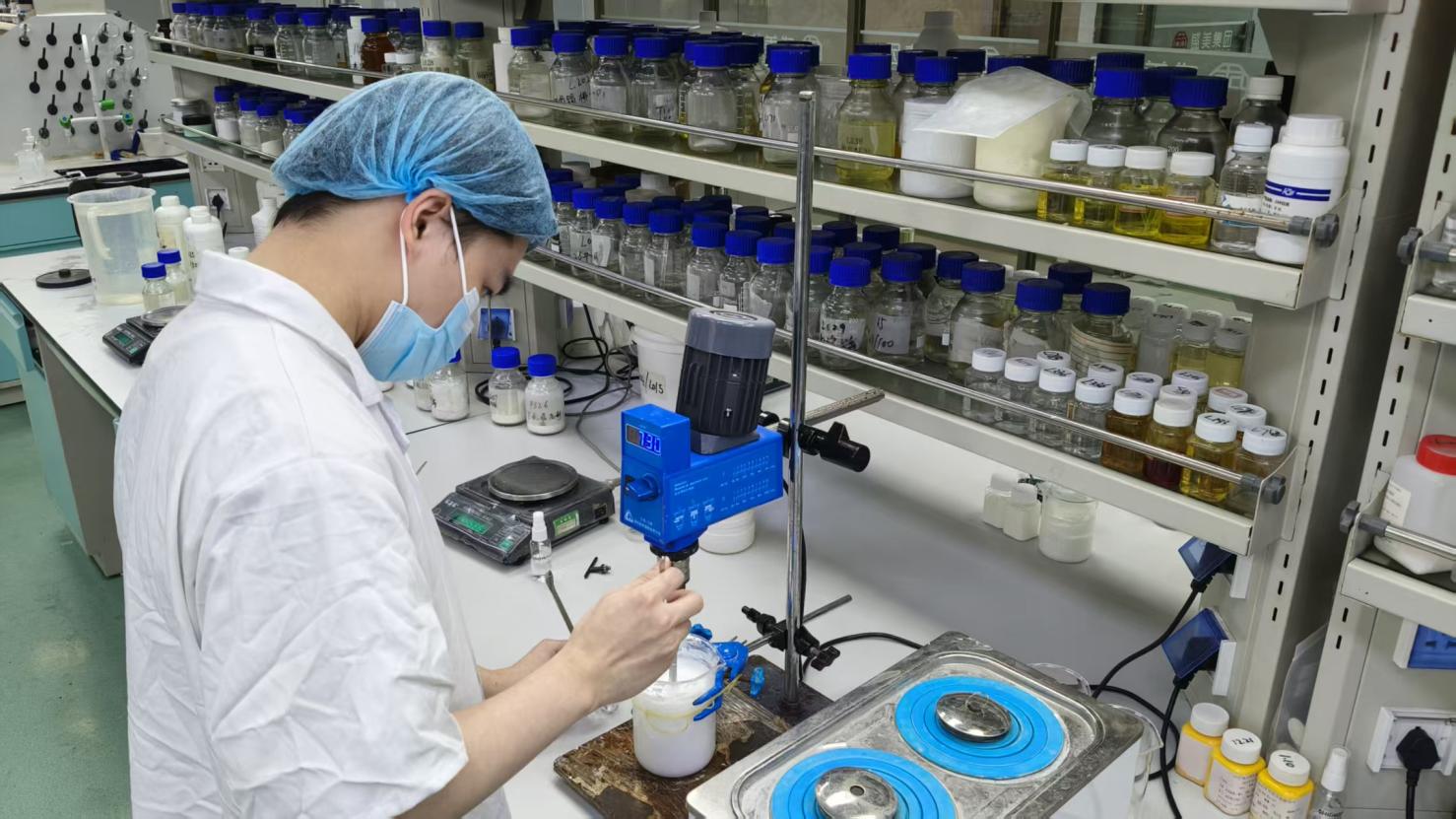
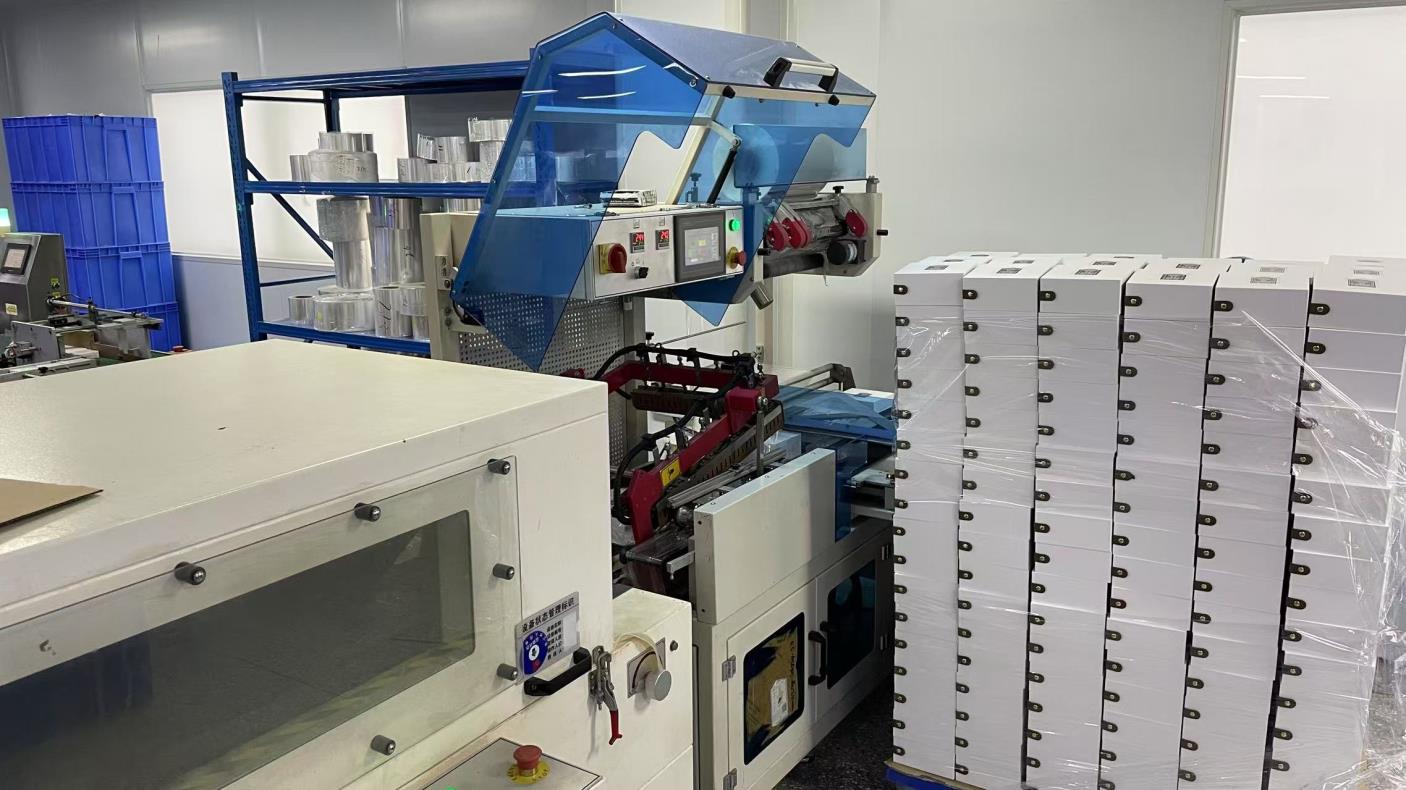
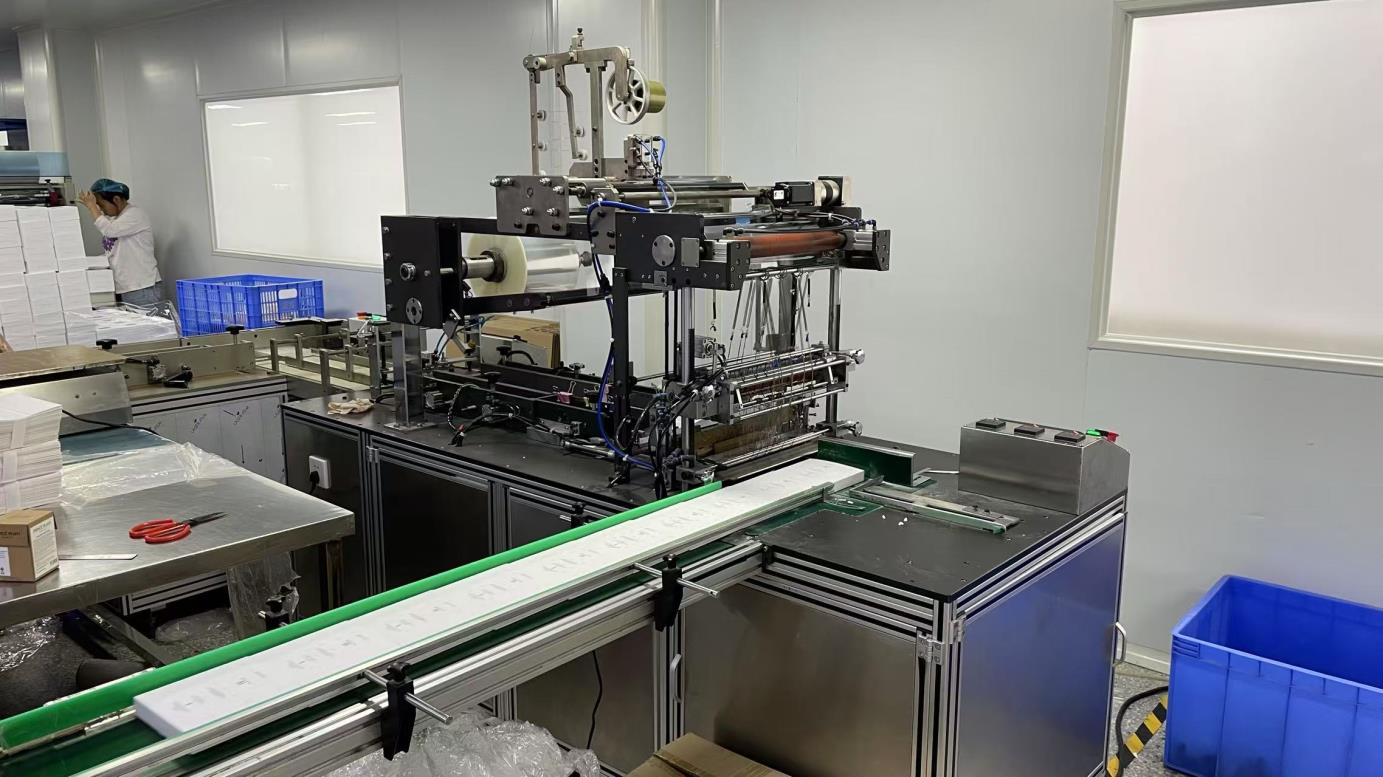
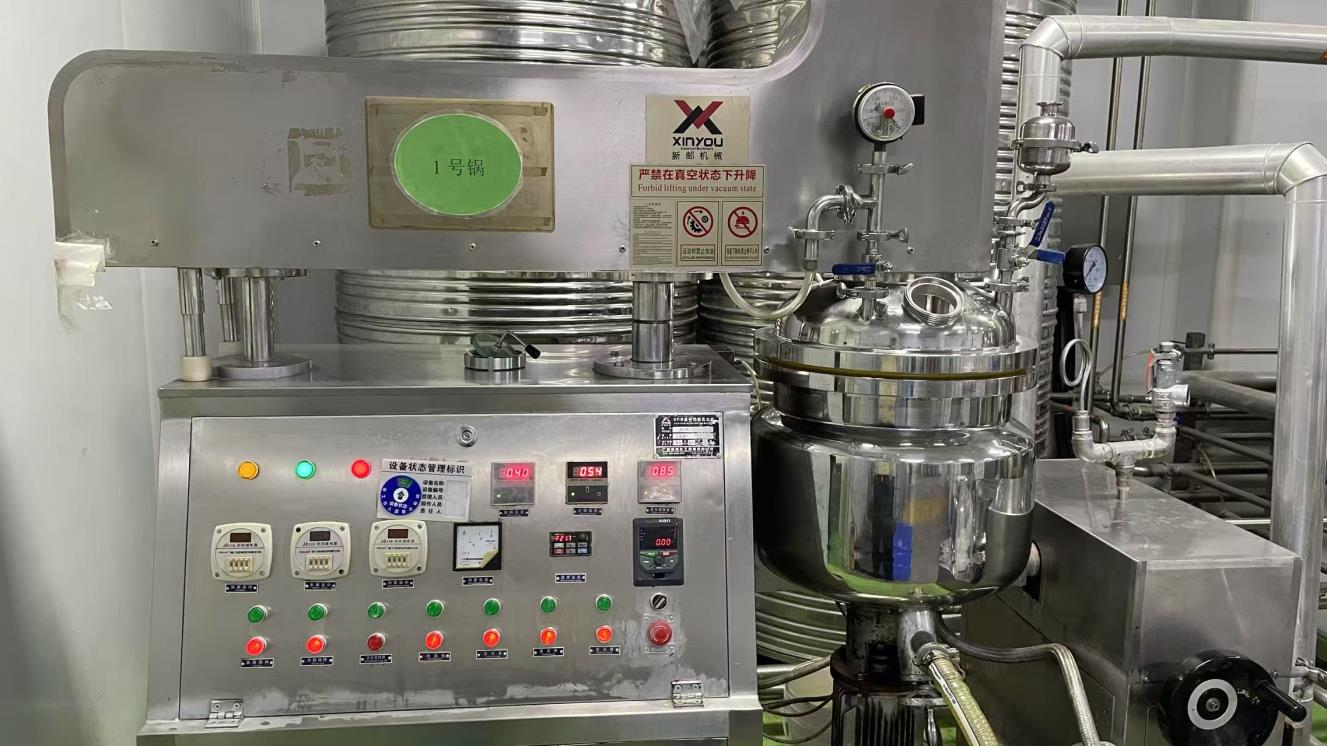
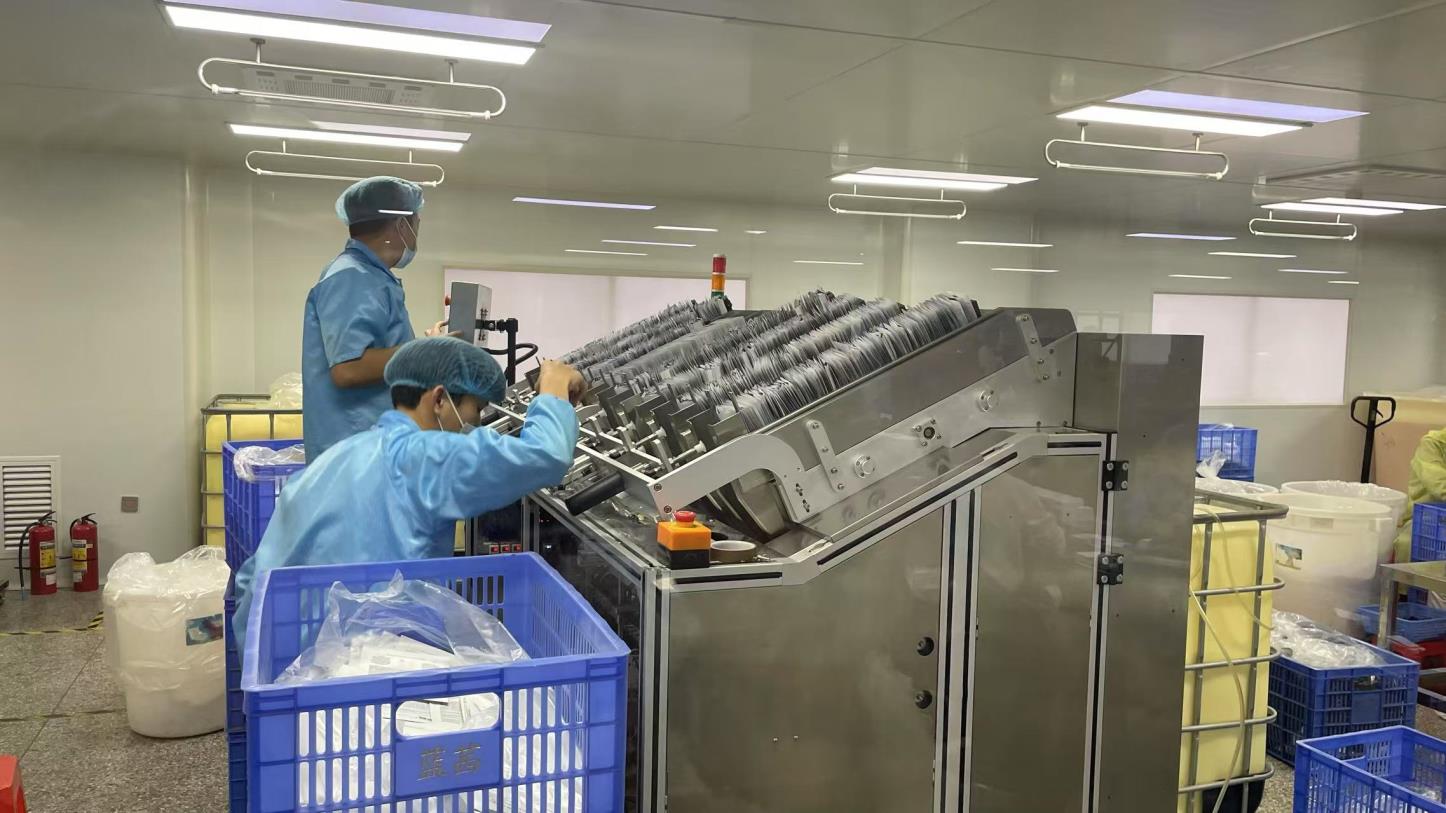
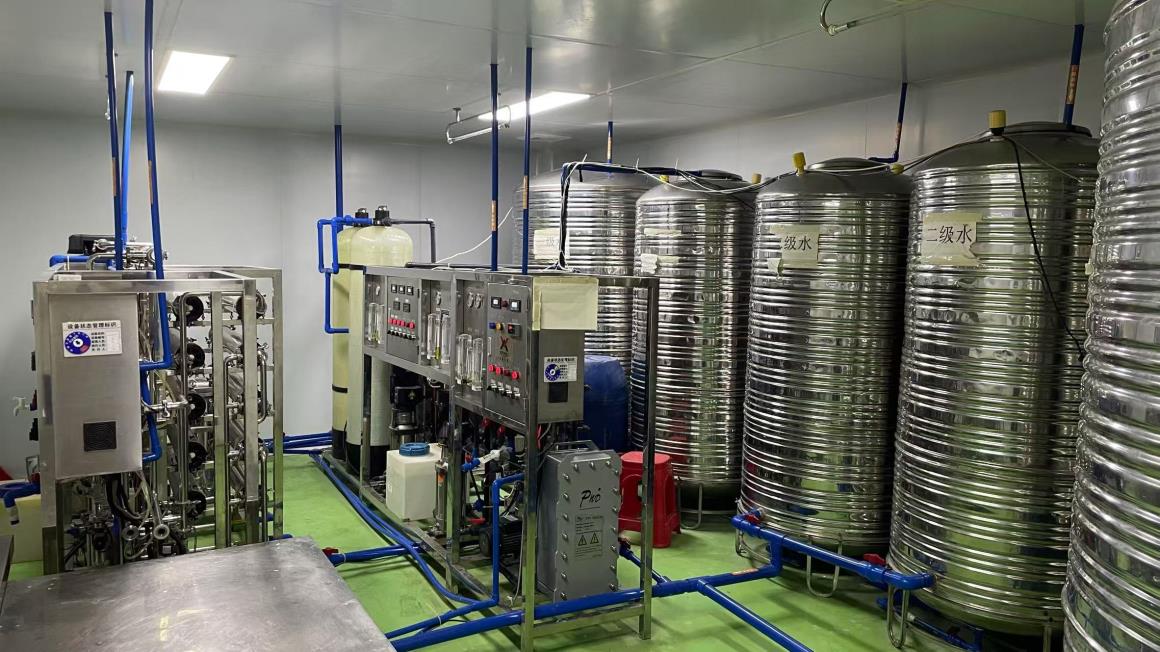
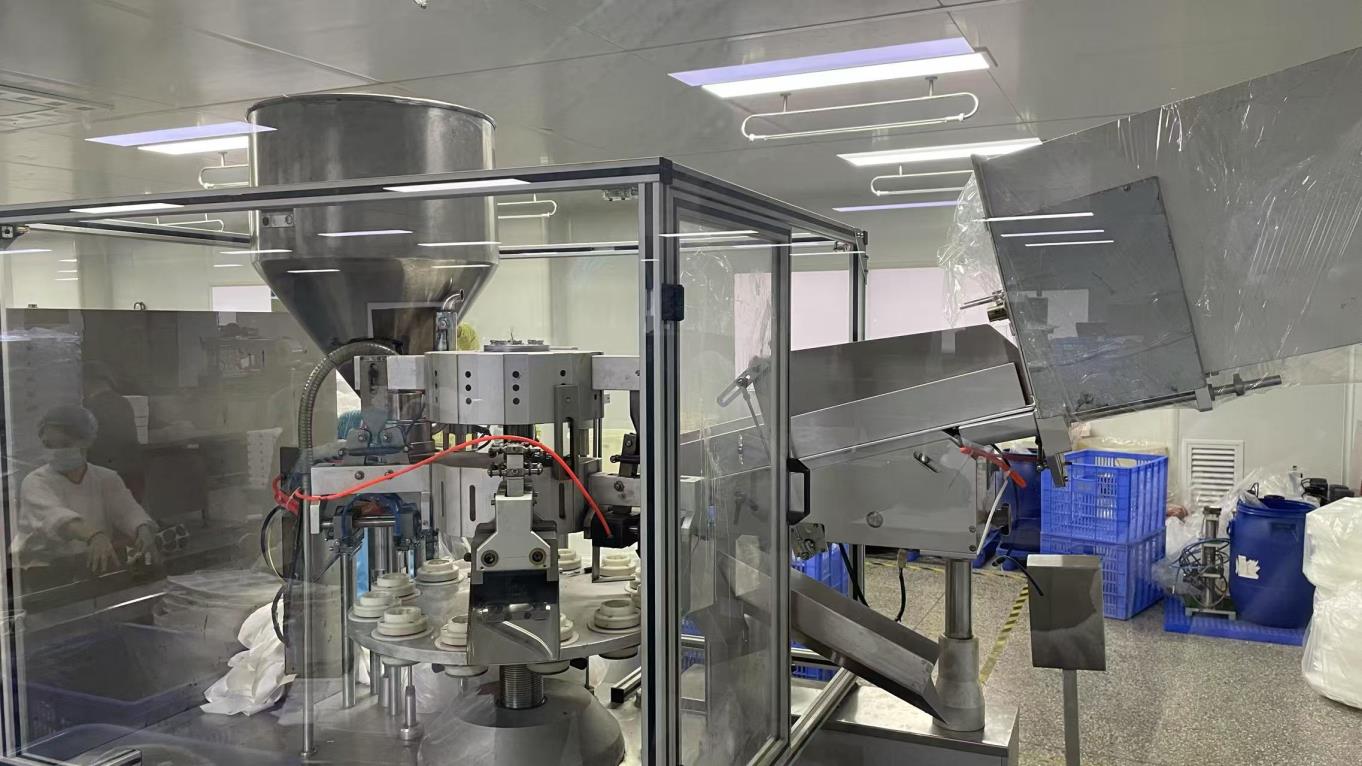
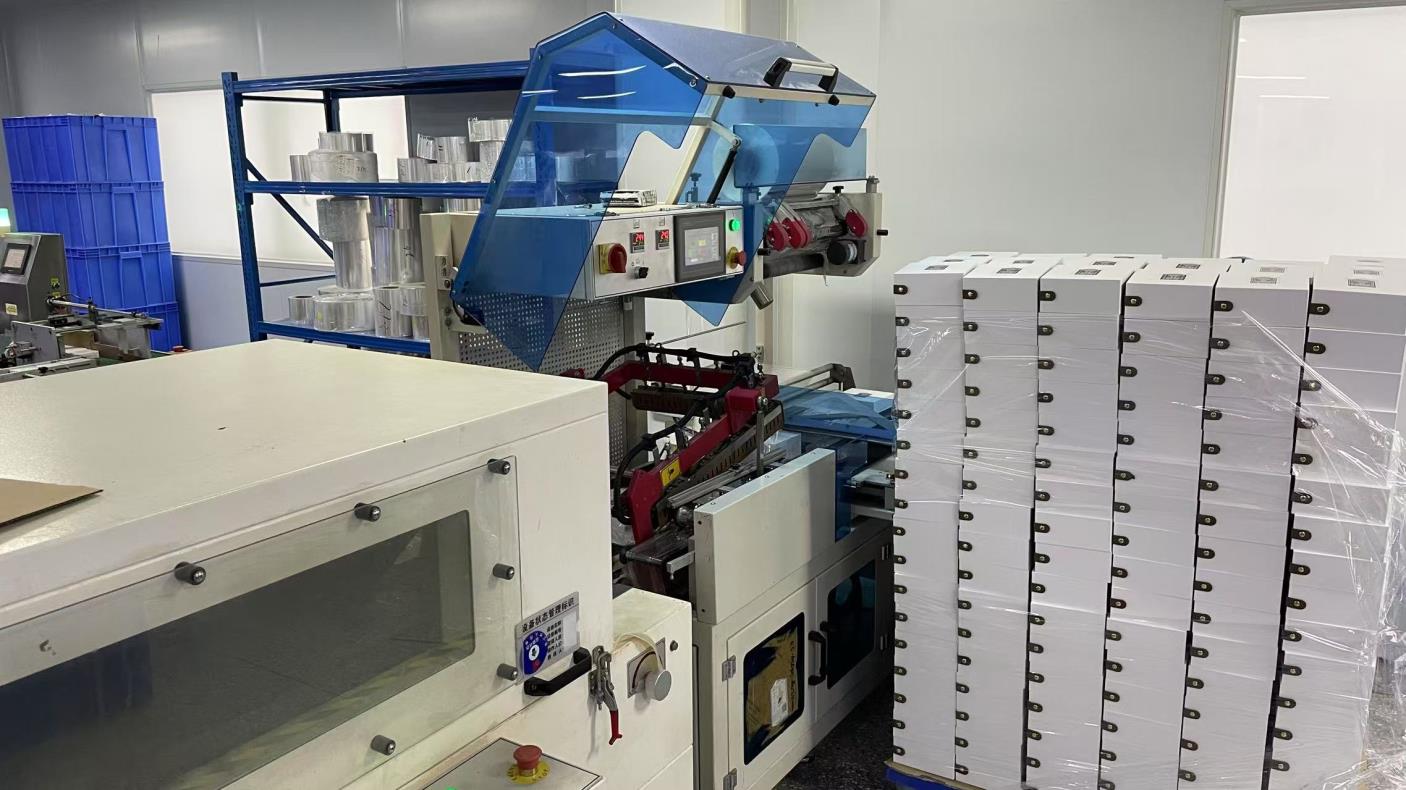
Shandong OrDie Beauty Co., Ltd. is a modern, comprehensive beauty and biotechnology enterprise integrating research and development, production, marketing, and brand operation. Dedicated to providing high-quality beauty, skincare, and health-related products, the company continuously explores the integration of biotechnology and modern aesthetics to deliver innovative solutions for consumers worldwide.
With advanced production facilities, strict quality management systems, and a professional R&D team, OrDie Beauty focuses on the development and application of functional skincare ingredients, bioactive compounds, and cutting-edge cosmetic technologies. By combining scientific research achievements with market demand, the company creates products that are safe, effective, and compliant with international quality standards.
Guided by the philosophy of “Technology Creates Beauty, Quality Builds Trust,” OrDie Beauty places consumers at the center of every innovation. Through continuous investment in scientific research and product development, the company is committed to addressing diverse skincare concerns, enhancing product performance, and delivering visible beauty results that meet the evolving expectations of modern consumers.

The company has established a comprehensive industrial chain covering product development, formulation design, manufacturing, quality control, and global sales. Leveraging strong supply chain capabilities and strategic partnerships, OrDie Beauty serves customers across domestic and international markets, providing customized OEM/ODM solutions and professional beauty product services.
Looking ahead, OrDie Beauty will continue to uphold its commitment to innovation, sustainability, and excellence. The company will further expand its research, production, and global business network, strengthen cooperation with leading scientific institutions and industry partners, and develop more advanced skincare and beauty products that combine natural ingredients with modern biotechnology.
Driven by its vision to become a trusted global beauty brand, Shandong OrDie Beauty Co., Ltd. strives to bring healthier, safer, and more effective beauty solutions to consumers, helping people worldwide embrace confidence, elegance, and lasting beauty.
Analyzing Bio-availability, pH Buffering, and Epidermal Keratolysis
To design an exfoliating gel that outperforms standard market offerings, brands must understand the underlying physical chemistry of organic acids. In aqueous systems, Lactic Acid exists in dynamic equilibrium with its conjugate base, lactate. This relationship is defined by the Henderson-Hasselbalch equation:
pH = pKa + log([Lactate] / [Lactic Acid])
With a pKa of approximately 3.86, a Lactic Acid formulation at a pH of 3.86 contains exactly 50% free acid (un-dissociated molecules capable of passing through lipid membranes) and 50% ionic lactate (which acts as a humectant). If the pH of the formulation drops too far below 3.5, the concentration of free acid spikes, increasing the risk of chemical burns and skin irritation. Conversely, if the pH exceeds 4.5, the free acid concentration drops below effective keratolytic levels, rendering the product ineffective for cell turnover.
To optimize this system, modern research points toward a synergistic gel network: combining Lactic Acid with synergistic poly-hydroxy acids (PHAs) like Gluconolactone, and stabilizing the mixture using non-ionic gelling agents. The table below compares the physical attributes of Lactic Acid against alternative exfoliants used in high-volume contract manufacturing:
| Active Ingredient | Molecular Weight (g/mol) | Penetration Velocity | Primary Skin Action | Sensory Profile |
|---|---|---|---|---|
| Lactic Acid (AHA) | 90.08 | Moderate / Controlled | Cell desquamation + Humectant activation | Slightly warming, highly hydrating |
| Glycolic Acid (AHA) | 76.05 | Rapid / Deep | Aggressive peeling + Collagen support | Can cause stinging on sensitive skin |
| Salicylic Acid (BHA) | 138.12 | Lipophilic / Follicular | Sebum clearing + Pore descaling | Drying, ideal for acne-prone skin |
| Gluconolactone (PHA) | 178.14 | Slow / Superficial | Mild surface polish + Anti-oxidative | Very mild, zero irritation profile |
This comparison shows why Lactic Acid is the preferred choice for versatile, multi-purpose skin resurfacing. It offers a balanced approach that combines safety, performance, and sensory appeal.
Navigating FDA, EU Cosmetics Portal, and Asian Market Frameworks
For brands distributing products globally, regulatory compliance is key to avoiding costly customs delays and product recalls. Lactic Acid is classified differently depending on the region, which affects the allowable concentration, pH, and labeling requirements:
Under current FDA guidelines, consumer products containing AHAs must state a warning label instructing users to apply sunscreen due to increased sun sensitivity. The formulation must have an AHA concentration under 10% and a pH above 3.5. Brands must also comply with the Modernization of Cosmetics Regulation Act (MoCRA) regarding facility registrations and listing safety records.
The Scientific Committee on Consumer Safety (SCCS) restricts AHAs to a maximum concentration of 10% for consumer use, with a strict pH threshold of 3.5 or higher. A comprehensive Product Information File (PIF) containing safety data assessments, raw material toxicology analyses, and stability test dossiers must be uploaded to the CPNP portal prior to distribution.
In China, exfoliating products containing acids are categorized as special use cosmetics if they claim to treat acne or pigmentation. Brands must register with the National Medical Products Administration (NMPA). Formulations must undergo safety testing, including patch tests for skin irritation, to verify their suitability for Asian skin types.
Partnering with an experienced manufacturer like Shandong OrDie Beauty Co., Ltd. helps brands navigate these regional differences. Their production facilities maintain international certifications, including ISO 22716 and Good Manufacturing Practices (GMPC), ensuring smooth market entry across global territories.
Microbiome-Friendly Acids, Green Chemistry, and Smart Delivery Systems
As biotechnology continues to advance, the next generation of chemical exfoliants will focus on the skin's microbiome. Traditional acid peels can temporarily disrupt the skin's natural microflora, leaving it vulnerable to environmental stressors. Future formulations will likely combine Lactic Acid with prebiotic and postbiotic compounds to support beneficial bacteria while removing dead skin cells.
Sustainability in Sourcing: The environmental footprint of raw materials is becoming a key differentiator for brands. Forward-looking manufacturers are shifting from synthetic Lactic Acid to bio-fermented variants derived from renewable agricultural sources, such as sugar beet or corn starch. This transition reduces carbon emissions and aligns with green chemistry principles.
In addition, advanced delivery systems like encapsulation are gaining traction. By encapsulating Lactic Acid within lipid nanoparticles or polymeric matrices, formulators can control the release rate of the acid, extending its efficacy and reducing irritation. This allows brands to offer high-strength formulas that remain gentle on the skin barrier.
Resolving Common Inquiries for Global Procurement and Technical Directors
Premium Sourcing Directory for Global Brand Partnerships