OrDie Beauty
OrDie Beauty
OrDie Beauty
Explore clinical-grade, highly-concentrated retail and wholesale skincare innovations ready for global distribution.
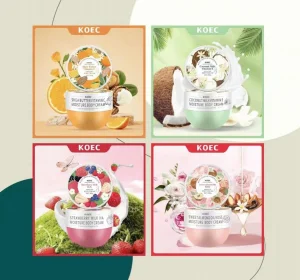
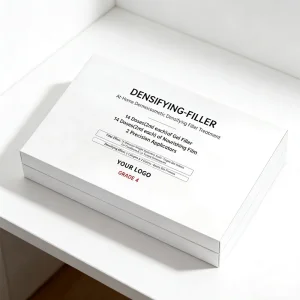
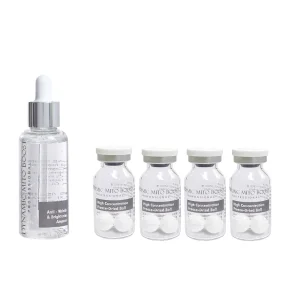
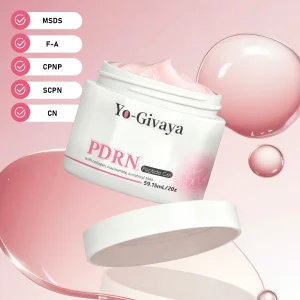
Understanding the micro-molecular advancements defining B2B skincare procurement in 2025.
In the highly competitive cosmeceutical landscape, Peptide Gel formulations represent a significant technological leap in skin barrier recovery, anti-aging therapies, and medical aesthetics. Unlike standard emulsions, hydrogel and matrix-gel systems provide a stable suspension environment for volatile short-chain amino acids (peptides). The biological challenge has always been stability; peptides are inherently prone to degradation when exposed to oxygen, shifting pH levels, and fluctuating temperatures.
Leading peptide gel factories have solved these structural limitations by implementing nano-liposomal encapsulation and freeze-dried molecular suspension technologies. This ensures that active bio-peptides (such as Copper Tripeptide-1, Acetyl Hexapeptide-8, and Palmitoyl Pentapeptide-4) remain dormant in the formula until they are massaged into the skin, where thermal triggers break down the lipid membrane to release the peptides directly into the target dermal layers.
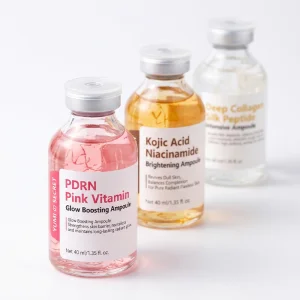
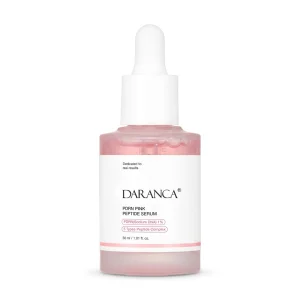
From a global procurement perspective, buyers are shifting focus from simple OEM filler services to comprehensive R&D partners. Sourcing directors look for manufacturers that hold ISO 22716 certification, possess in-house chromatography (HPLC) labs to verify peptide purity, and offer custom formulation options integrating next-generation ingredients like PDRN (Polydeoxyribonucleotide) and plant-derived stem cells.
The matrix of standards required by global brands when selecting high-capacity manufacturing hubs.
Strict adherence to international pharmaceutical and cosmetic Good Manufacturing Practices. Cleanrooms must utilize HEPA filtration systems ensuring particulate counts remain below certified limits.
The capability to adjust peptide concentrations, molecular weight profiles, and custom scents while ensuring the base gel maintains viscosity under various environmental stress factors.
Pre-market testing including freeze-thaw cycles, high-temperature challenges, microbial challenge assays, and patch tests ensuring safety across diverse skin types and ethnicities.
An inside look at Shandong OrDie Beauty Co., Ltd. — A leading force in biotech cosmetics.
Shandong OrDie Beauty Co., Ltd. is a modern comprehensive beauty and biotechnology enterprise integrating research and development, production, marketing, and brand operation. Dedicated to providing high-quality beauty, skincare, and health-related products, the company continuously explores the integration of biotechnology and modern aesthetics to deliver innovative solutions for consumers worldwide.
With advanced production facilities, strict quality management systems, and a professional R&D team, OrDie Beauty focuses on the development and application of functional skincare ingredients, bioactive compounds, and cutting-edge cosmetic technologies. By combining scientific research achievements with market demand, the company creates products that are safe, effective, and compliant with international quality standards.
Guided by the philosophy of “Technology Creates Beauty, Quality Builds Trust,” OrDie Beauty places consumers at the center of every innovation. Through continuous investment in scientific research and product development, the company is committed to addressing diverse skincare concerns, enhancing product performance, and delivering visible beauty results that meet the evolving expectations of modern consumers.

The company has established a comprehensive industrial chain covering product development, formulation design, manufacturing, quality control, and global sales. Leveraging strong supply chain capabilities and strategic partnerships, OrDie Beauty serves customers across domestic and international markets, providing customized OEM/ODM solutions and professional beauty product services. Looking ahead, OrDie Beauty will continue to uphold its commitment to innovation, sustainability, and excellence. The company will further expand its research, production, and global business network, strengthen cooperation with leading scientific institutions and industry partners, and develop more advanced skincare and beauty products that combine natural ingredients with modern biotechnology.
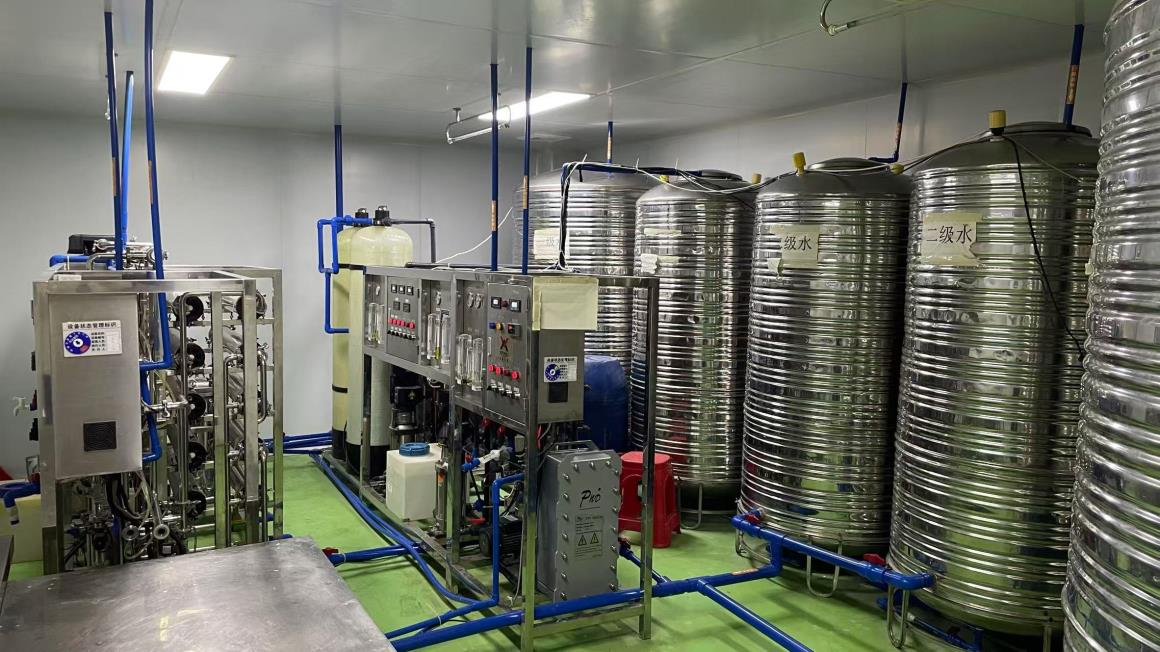
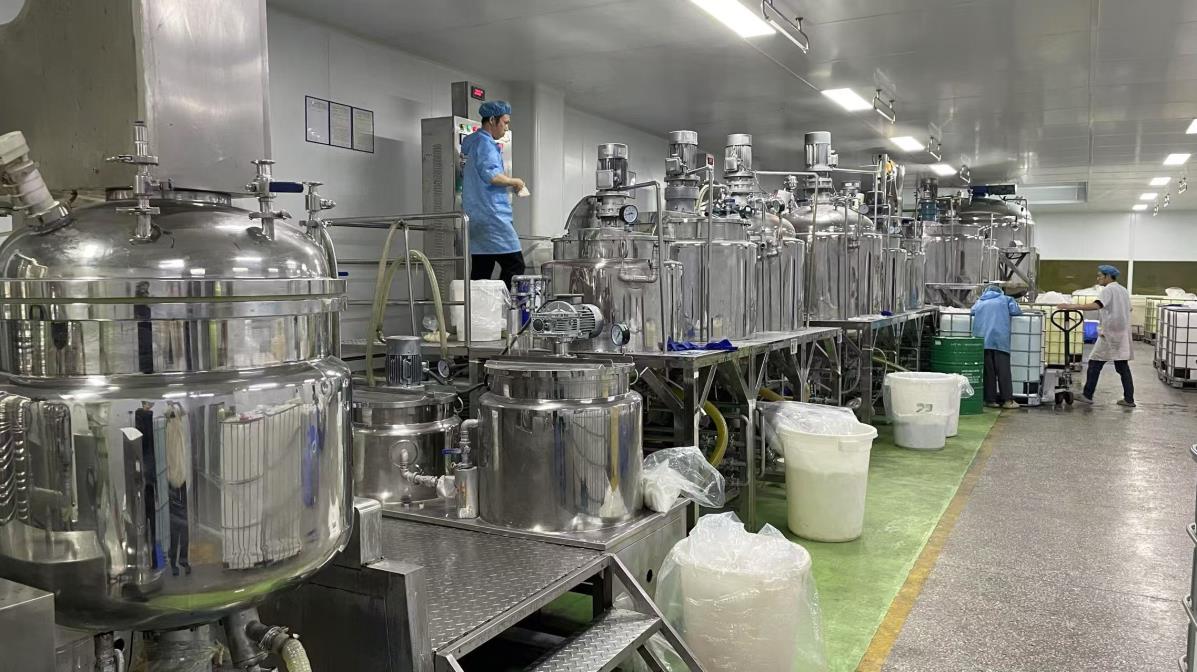
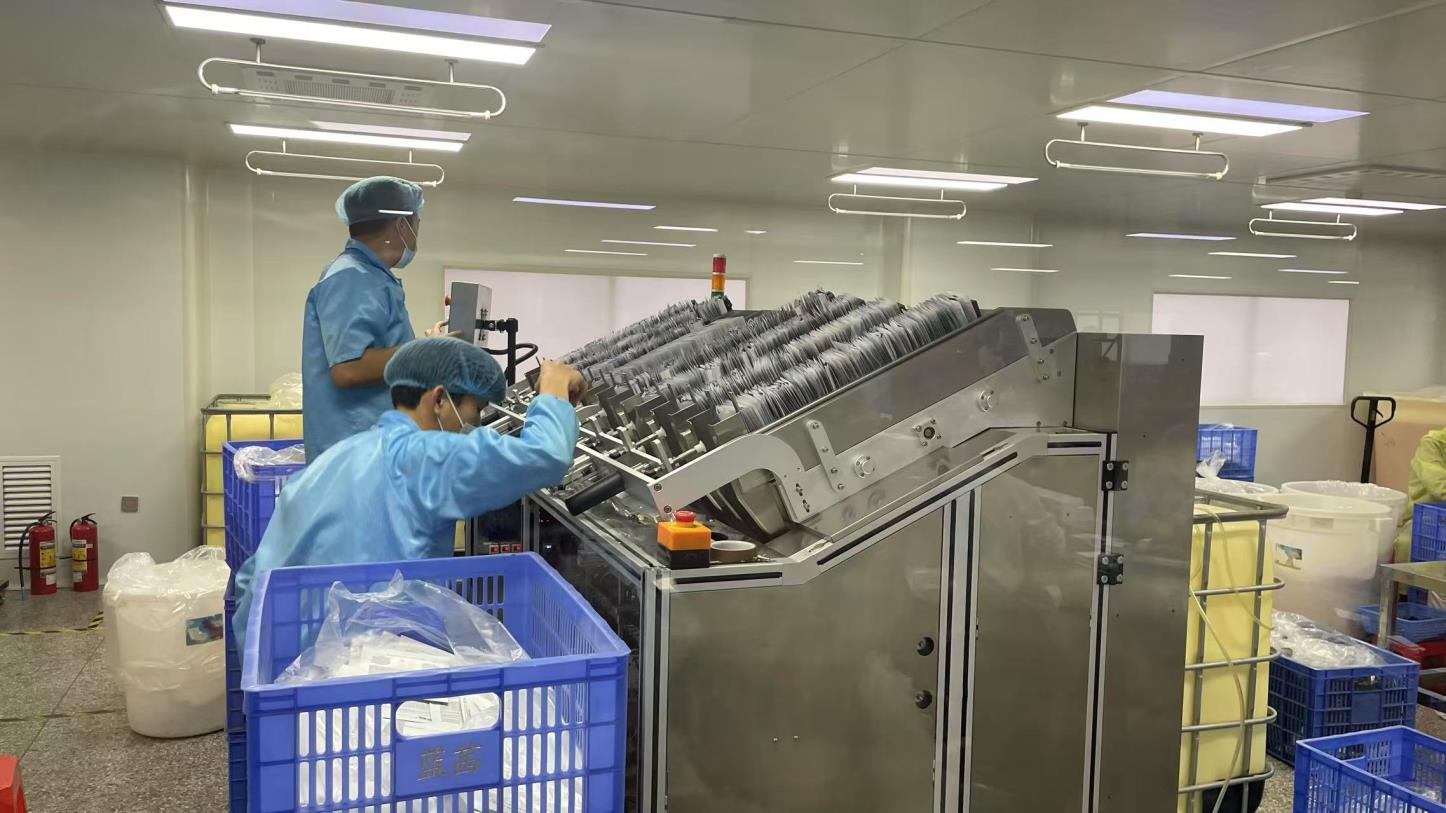
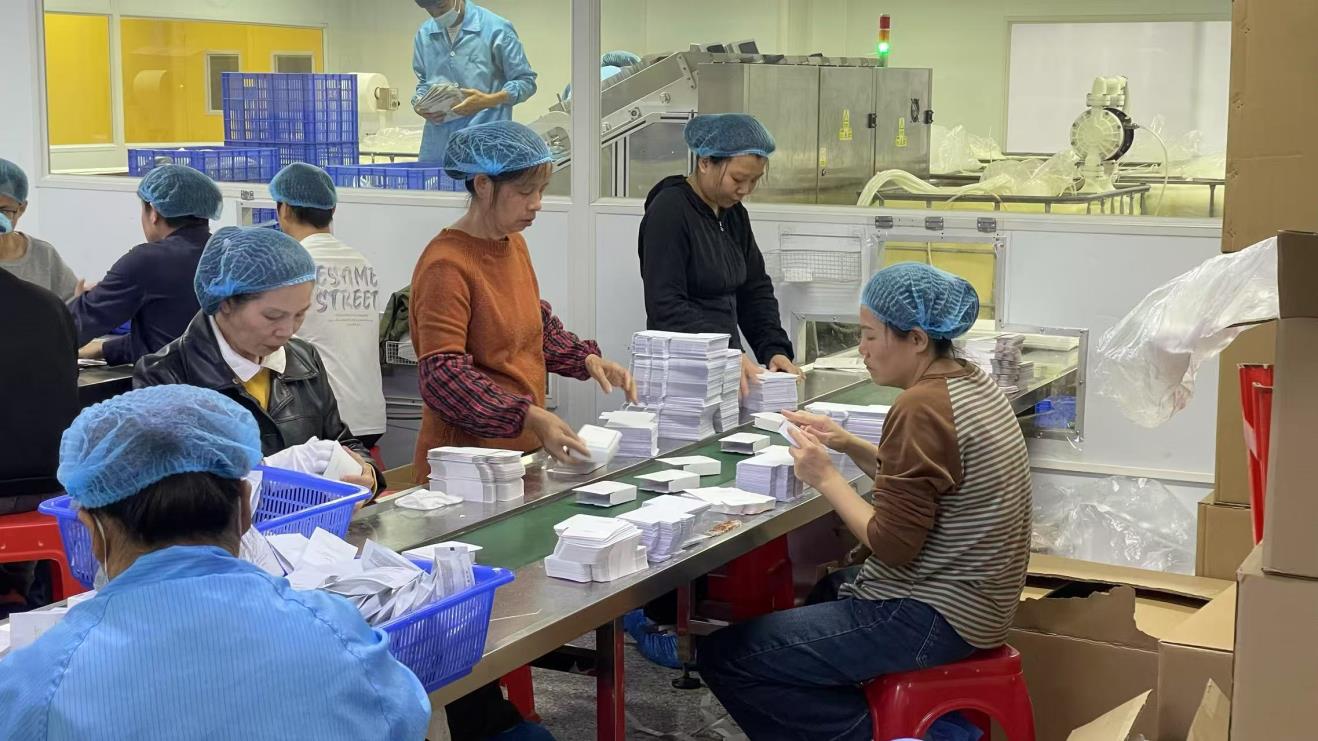
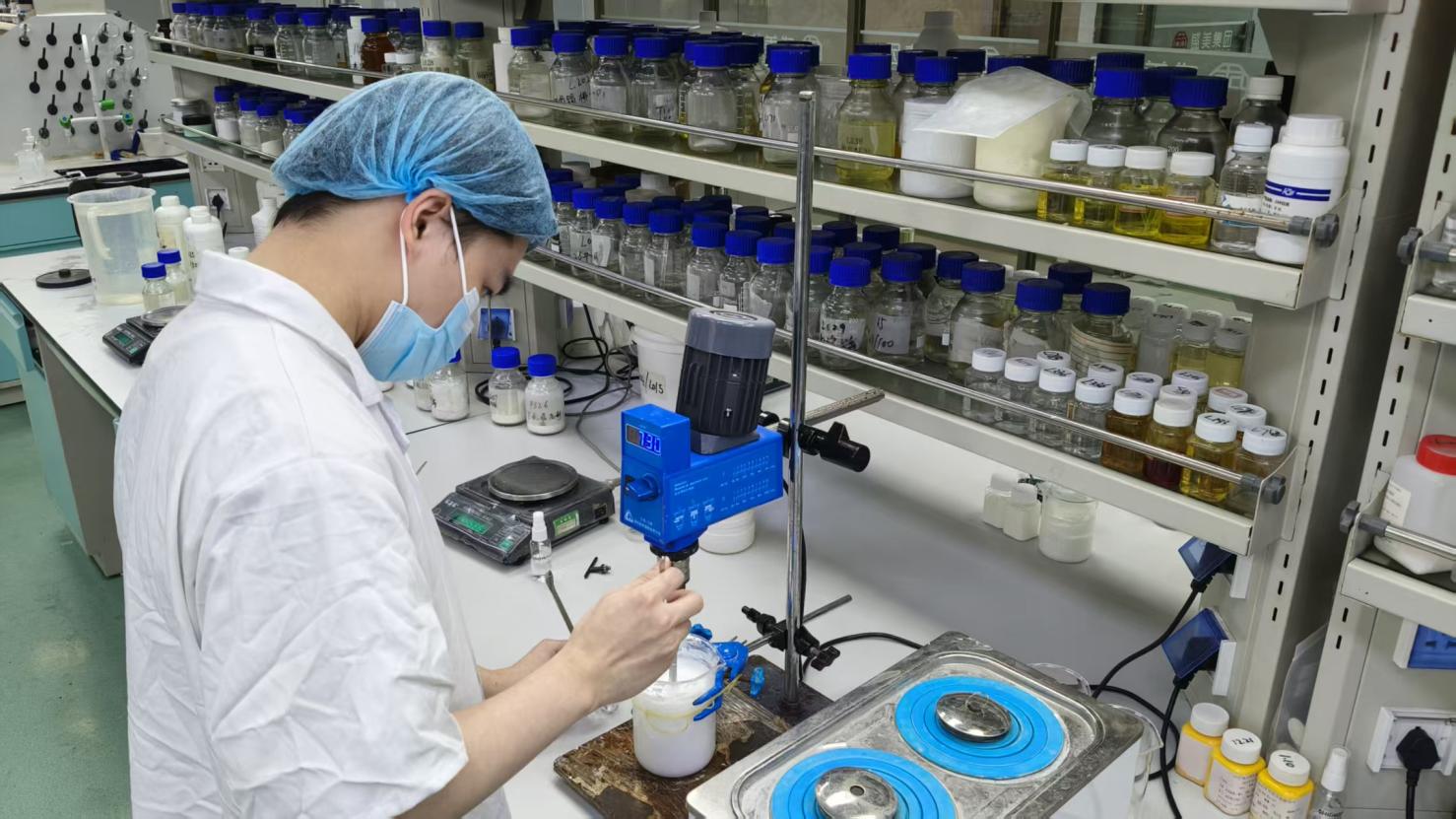
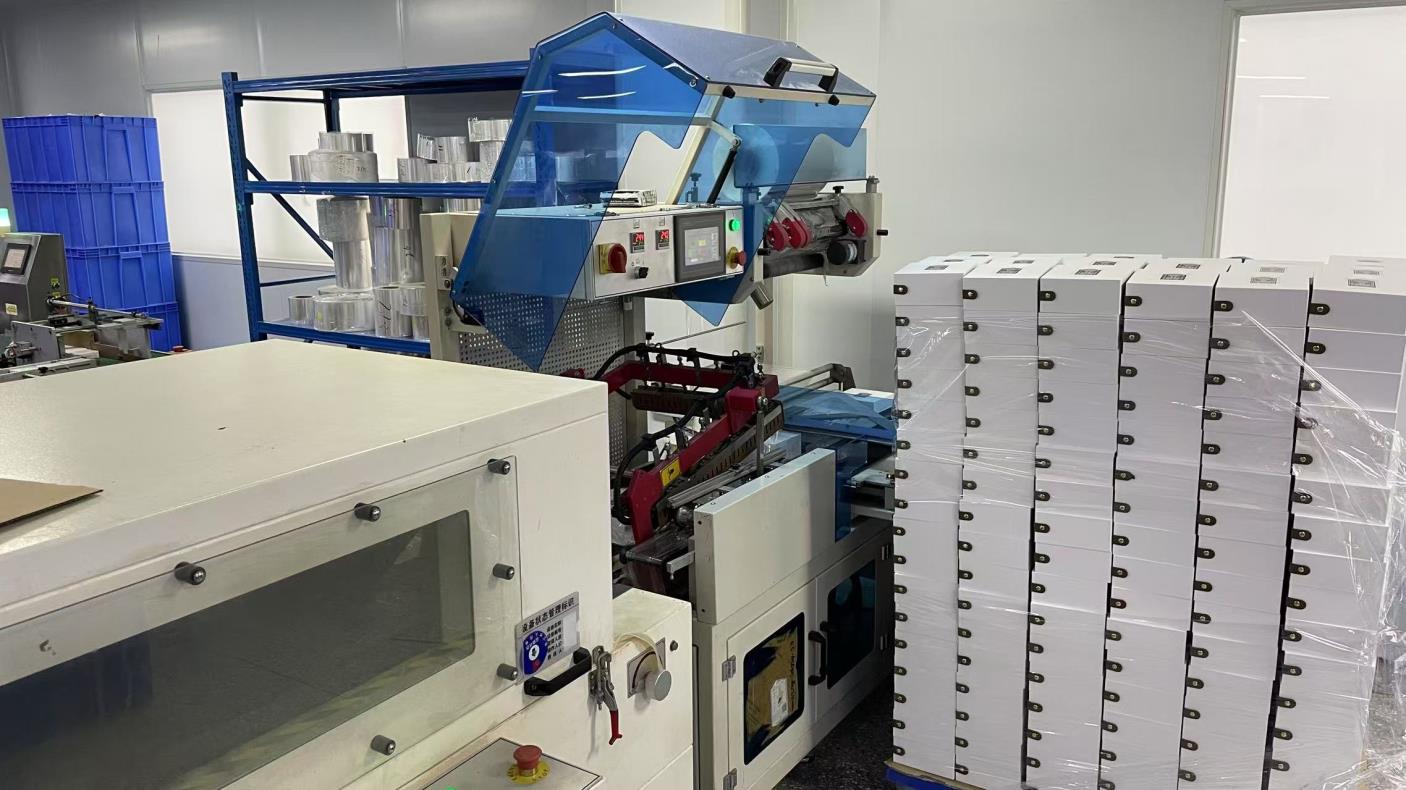
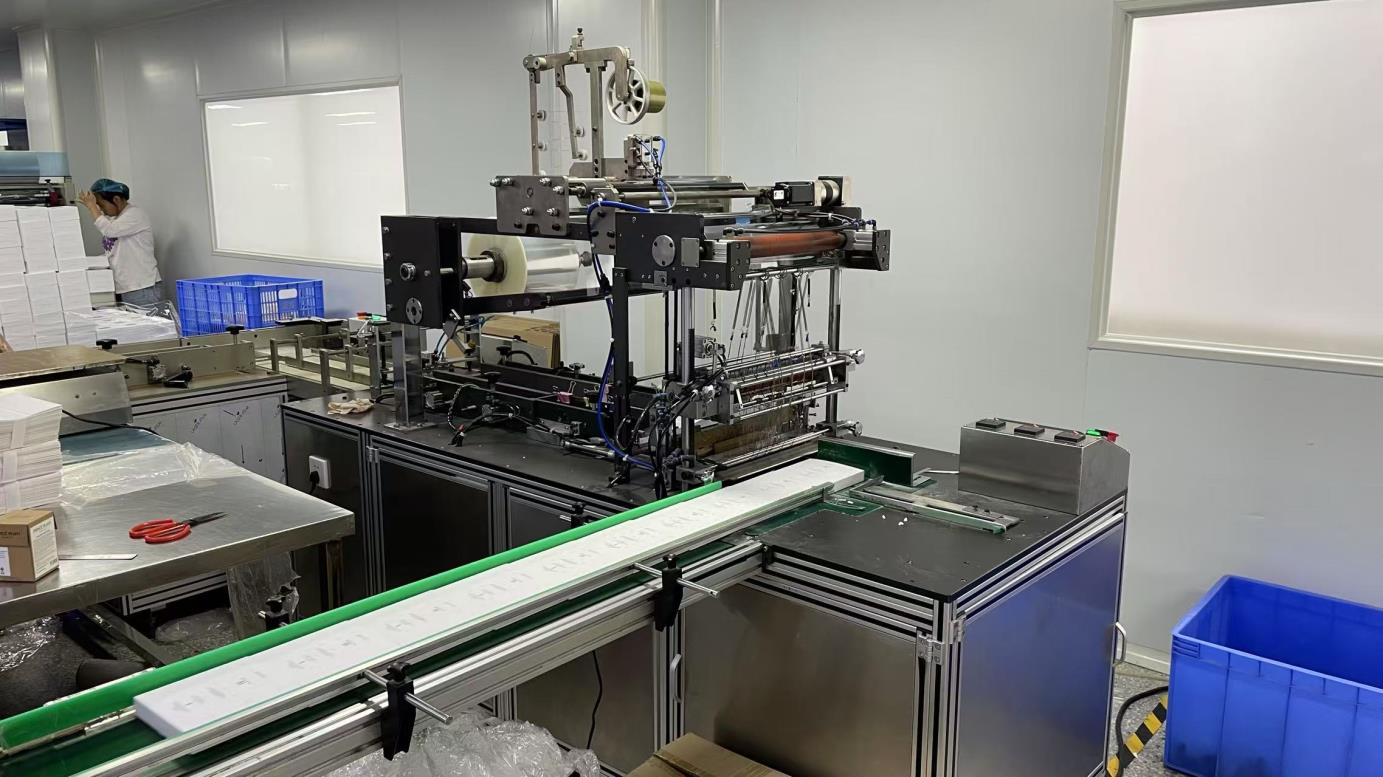
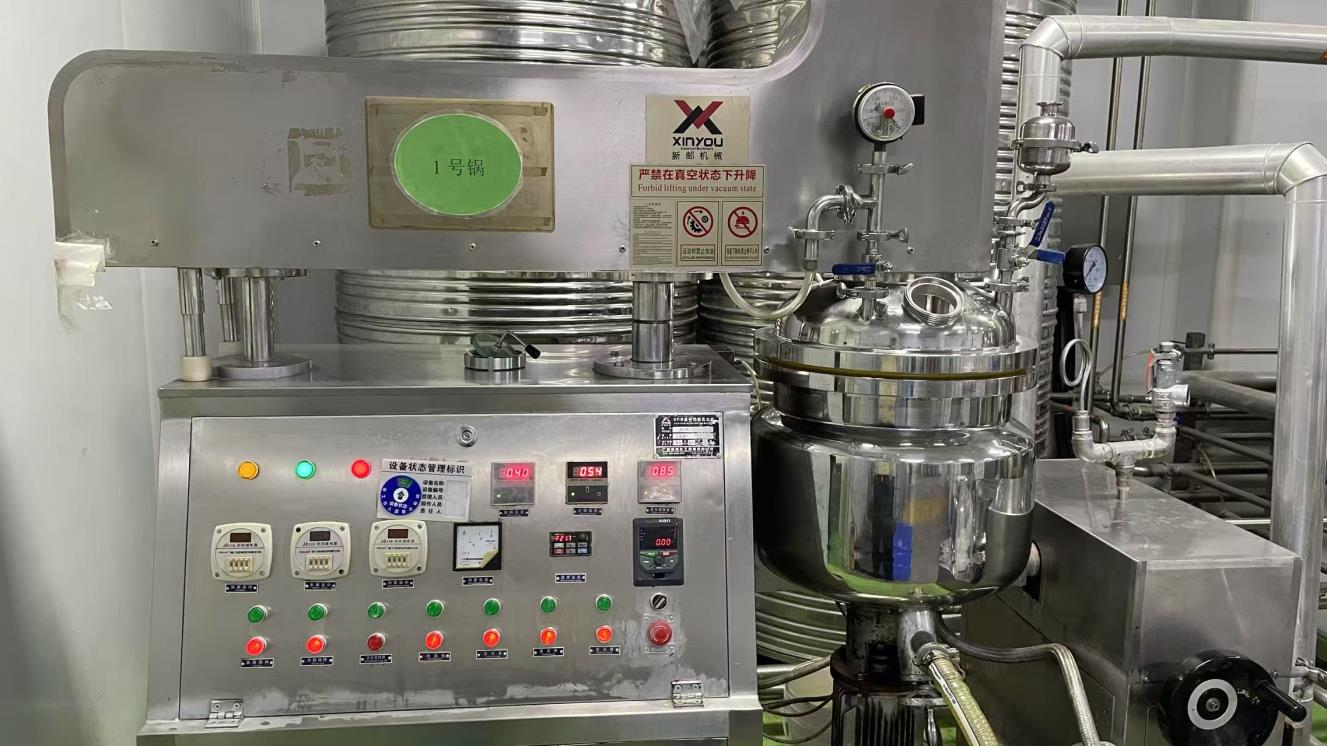
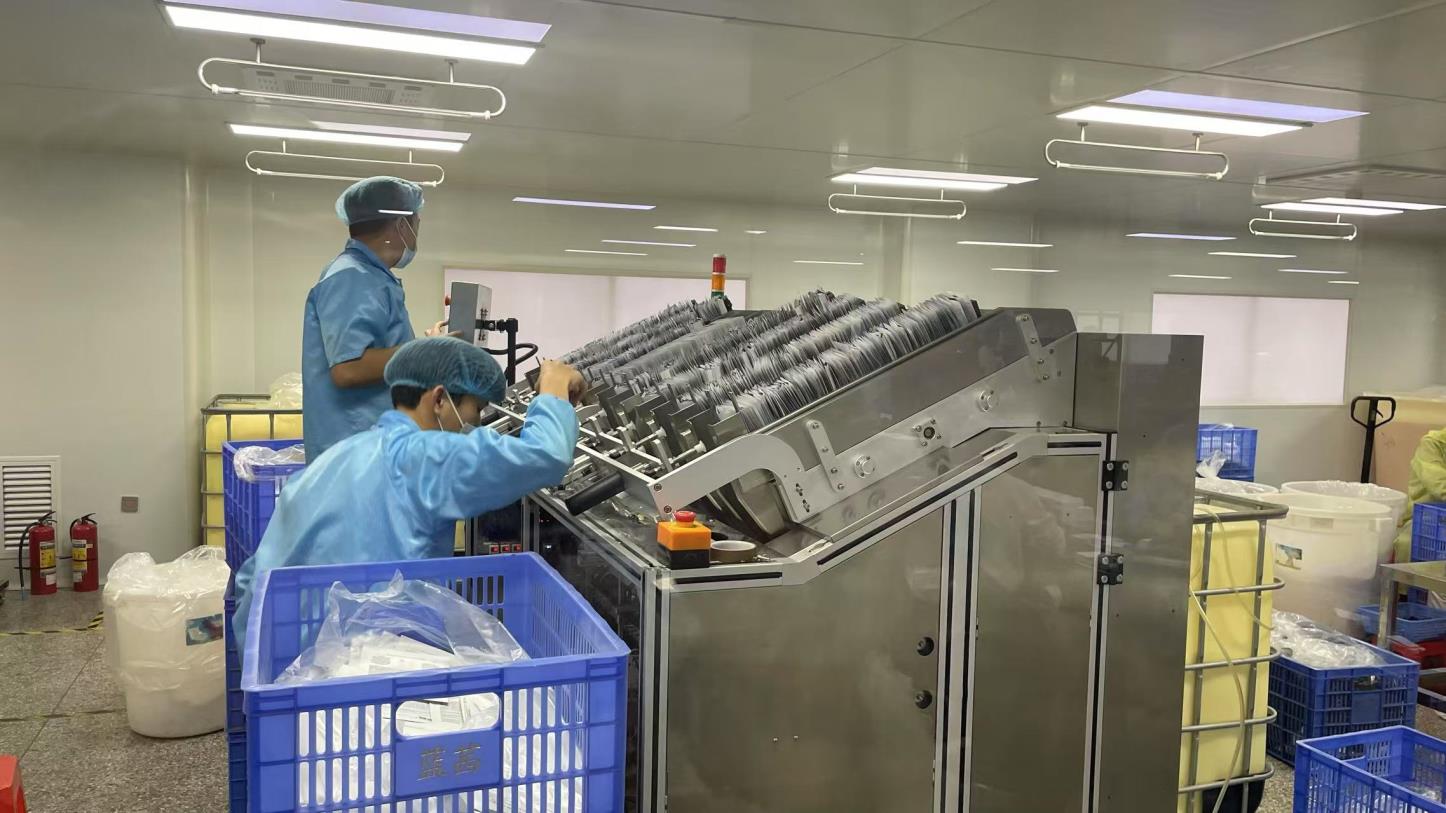
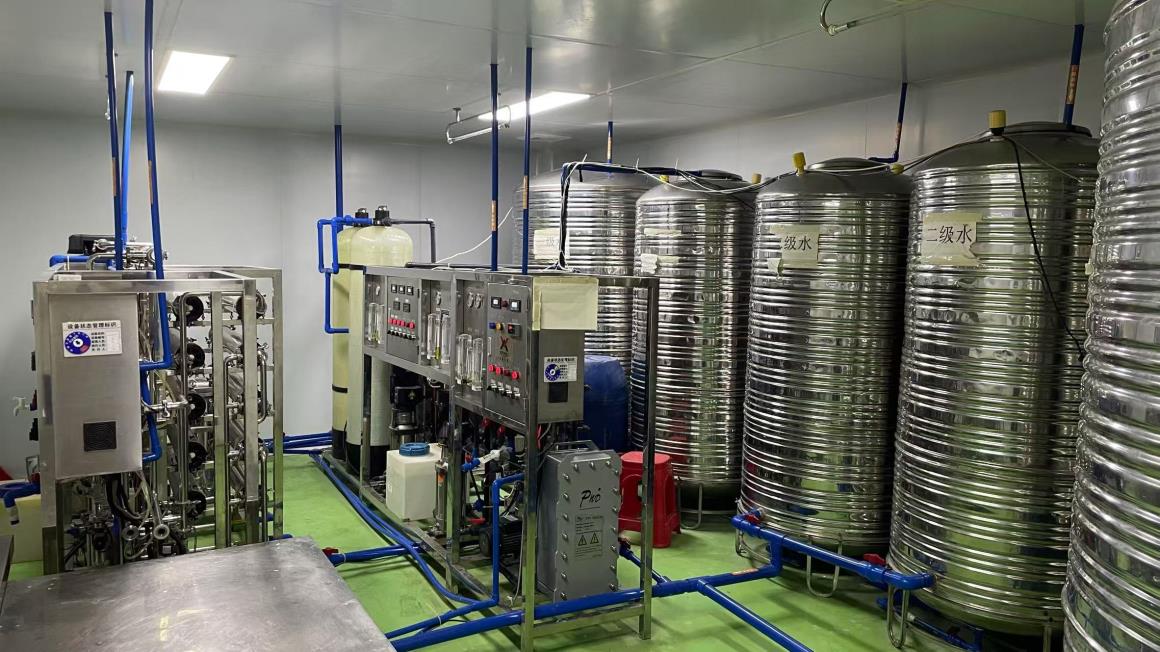
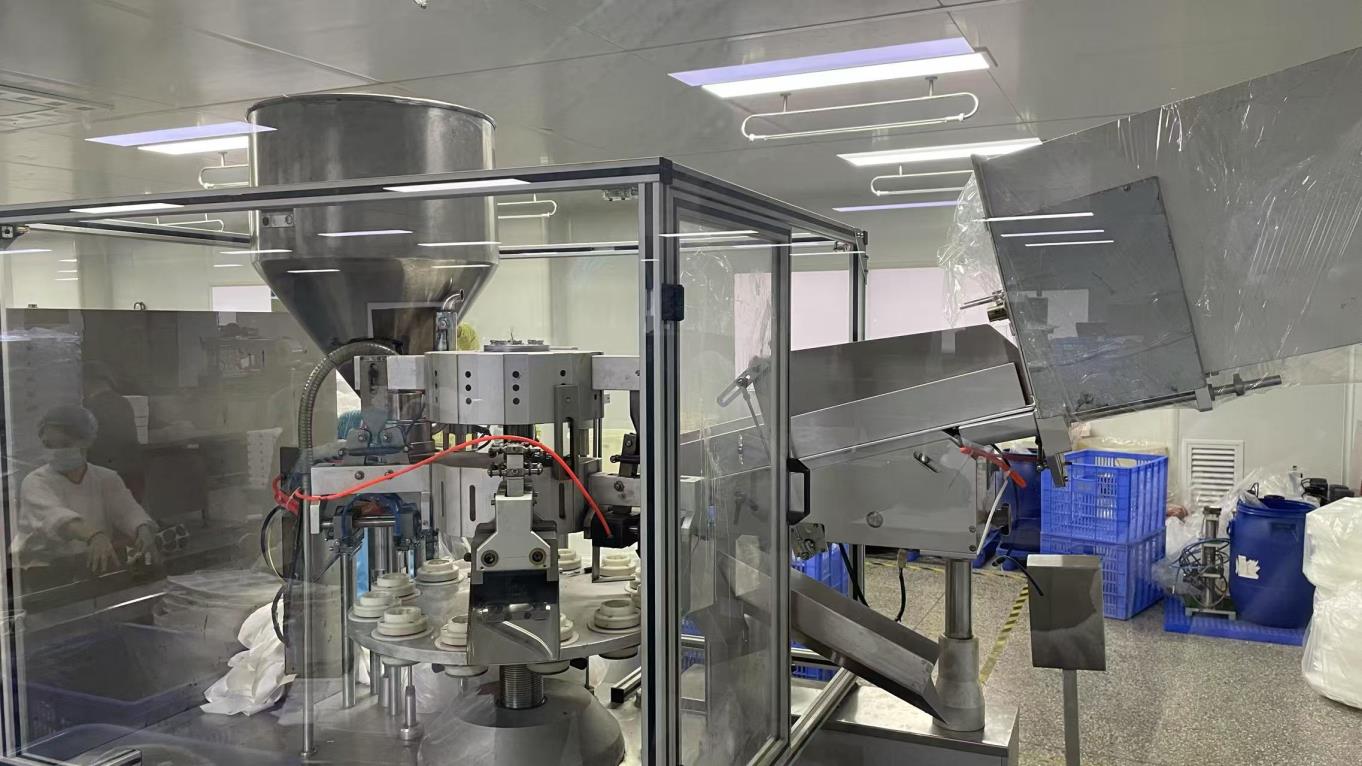
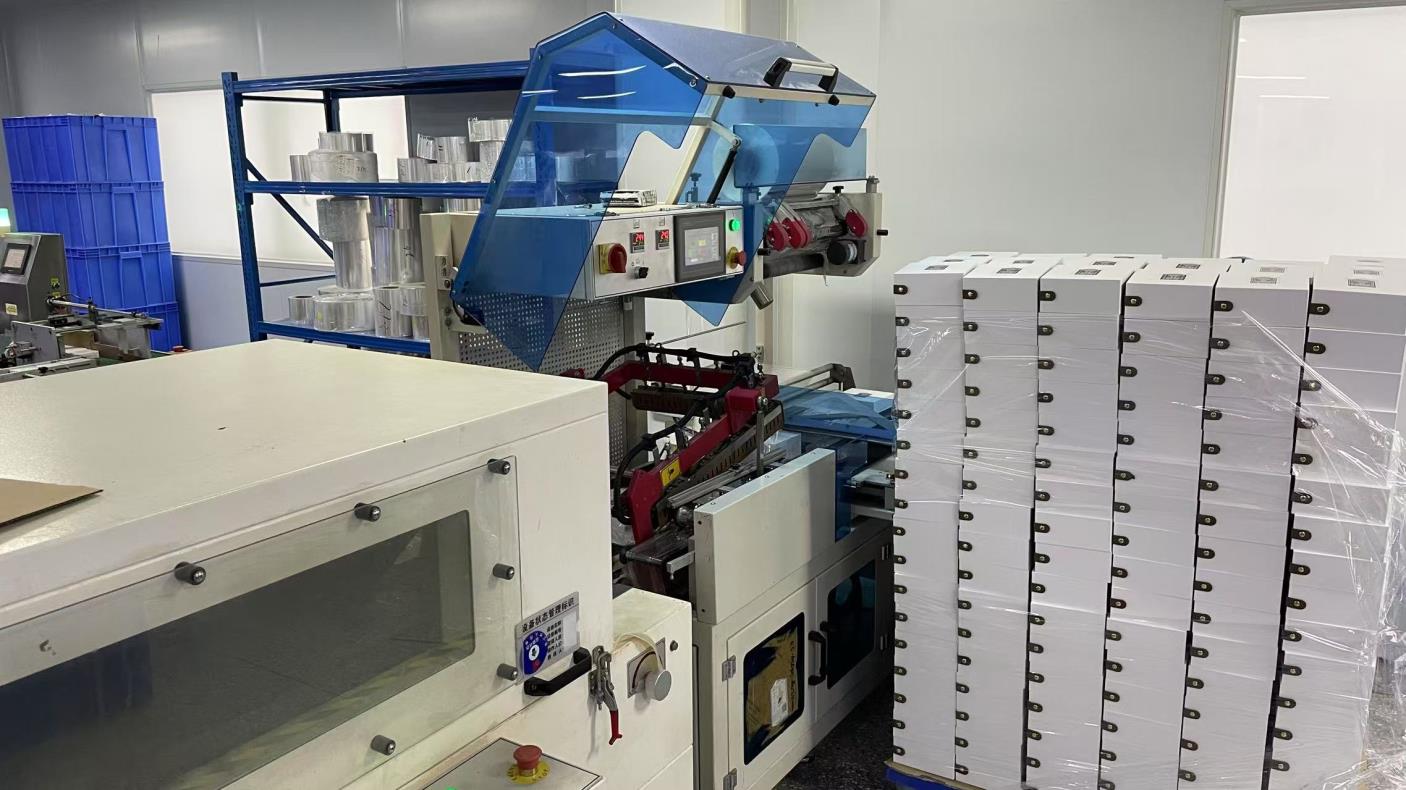
Combining recombinant peptide engineering with clean biochemical carriers.
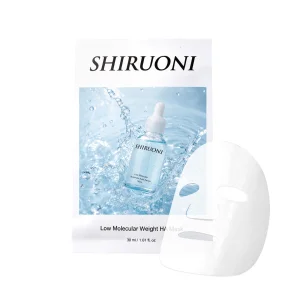
Modern peptide gels do not work in isolation. The most successful formulations on the market utilize a multi-functional matrix approach. By merging peptides with Low Molecular Weight Hyaluronic Acid (5D HA), the gel creates an instant, moisture-locking mesh over the stratum corneum, allowing the active peptides to penetrate deeper via passive diffusion.
Moreover, the integration of PDRN (Salmon DNA) with Matrixyl 3000 has revolutionized post-operative clinical repair. In aesthetic dermatology, patients require rapid skin thickness improvement and redness reduction following laser or microneedling procedures. Standard cosmetic creams containing heavy mineral oils can occlude the skin, exacerbating erythema. A lightweight, non-comedogenic peptide gel is the optimal medical recovery medium, providing deep cooling relief while initiating immediate cellular tissue renewal.
Leading manufacturers are also looking closely at the sustainability of their sourcing chains. Peptide synthesis traditionally relies on chemical solvents, but next-generation laboratories are shifting toward green biotechnology and recombinant yeast fermentation. This method produces high-purity, bio-identical human collagen peptides that possess superior biocompatibility and cause far fewer allergic reactions in sensitive skin types.
Cross-border certification guidelines for cosmetic brand owners importing peptide gels.
Navigating the global cosmetics regulatory landscape requires manufacturers to maintain an updated library of compliance dossiers. For brands distributing in the United States, compliance with the Modernization of Cosmetics Regulation Act (MoCRA) is mandatory, requiring product listings, ingredient safety substantiations, and rigorous adverse event reporting protocols. In the European Union, products must undergo cosmetic safety assessments (CPSR) and registration via the Cosmetic Products Notification Portal (CPNP).
Top peptide gel manufacturers facilitate this process by providing comprehensive documentation, including:
By partner-sourcing with a vertically integrated facility like Shandong OrDie Beauty Co., Ltd., brands gain access to regulatory support teams that streamline registration processes across the EU, North America, and the APAC region, mitigating the risks of customs delays or market recalls.
Addressing the top technical and logistical questions asked by global B2B procurement managers.
Generally, our peptide gels have an unopened shelf life of 24 to 36 months when stored at room temperature. Once opened, we recommend usage within 12 months. All products undergo strict thermal stability testing at 4°C, 25°C, and 45°C, along with freeze-thaw cycles, to ensure the gel network does not collapse and the peptides do not denature.
Yes. Through our custom OEM/ODM services, our R&D team can adjust molecular weight parameters (e.g., using low molecular weight peptides below 3,000 Daltons for deep skin penetration, or higher weight structural proteins for superficial barrier protection) and customize concentration values according to your target price points and efficacy claims.
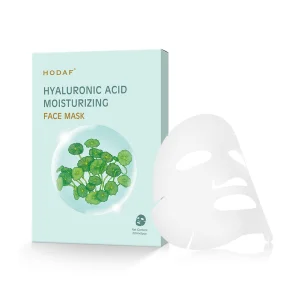
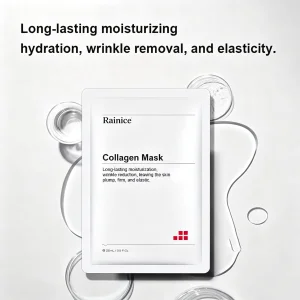
Our standard MOQs depend heavily on the packaging selection and customized formulation complexity. Generally, bulk liquid gel starts at 500kg, while private label retail-ready units (such as filled ampoules, pump bottles, or sheet masks) range from 3,000 to 10,000 units. Smaller trial batches can be negotiated for established brands exploring product line expansions.
Absolutely. We provide complete technical dossiers including safety assessments, toxicological evaluations, ingredient listings, and production environment certificates. Our documentation aligns with international standards, helping your regulatory team secure FDA, CPNP, NMPA, or Halal compliance certifications quickly.
Our production facility employs temperature-controlled emulsification and low-shear mixing techniques. Peptides are introduced during the cool-down phase of manufacturing, specifically below 40°C, preventing thermal denaturation. Additionally, vacuum filling machines eliminate air bubbles, preventing oxidization before sealing.
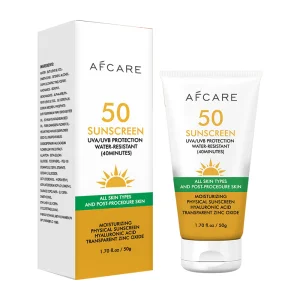
Explore our complete product ecosystem featuring high-performance recovery sprays, sunscreens, and hydration serums.