OrDie Beauty
OrDie Beauty
OrDie Beauty
Explore our advanced therapeutic serums and cosmetic vehicles optimized for maximum clinical efficacy.
A comprehensive study on formulation chemistry, manufacturing standards, market trends, and supply chain optimizations.
Alpha Hydroxy Acids (AHAs)—primarily Glycolic Acid, Lactic Acid, Mandelic Acid, Malic Acid, and Tartaric Acid—function as chemical exfoliants by targeting the intercellular adhesion systems within the stratum corneum. By lowering the skin's surface pH, AHAs induce the cleavage of desmosomes, the proteinaceous structures responsible for binding corneocytes together. This chemical process accelerates natural desquamation, encouraging cellular turnover and revealing more biologically active, hydrated, and uniform epidermal layers underneath.
However, the biological activity of an AHA serum is not solely determined by its total concentration, but rather by the concentration of its free acid. This concentration is directly dictated by the pH of the finished formulation and the acid’s unique pKa (dissociation constant). At a pH equal to the pKa of the acid (e.g., 3.83 for Glycolic Acid, 3.86 for Lactic Acid), exactly 50% of the acid is in its free, active, non-ionized state.
"AHA exfoliating serums formulated with a pH higher than 4.0 significantly reduce the free acid concentration, rendering the product cosmetic rather than cosmeceutical. Conversely, a pH lower than 3.0 drastically increases epidermal irritation without a proportional increase in clinical efficacy. Optimizing the thermodynamic activity of these acids while mitigating erythema represents the hallmark of advanced formulation design."
Shandong OrDie Beauty Co., Ltd. resolves this industrial challenge through the implementation of precision-engineered buffer systems (such as Sodium Lactate paired with free Lactic Acid, or amino acid buffering agents like Arginine). This guarantees that our private-label formulations maintain an optimal pH range of 3.5 to 3.8, optimizing exfoliation efficiency while preserving the integrity of the dermal-epidermal junction and minimizing sensory irritation.
The global market for chemical exfoliants is experiencing rapid market expansion, driven by a growing consumer preference for liquid-state dermatological peel solutions over abrasive mechanical scrubs. In North American and Western European markets, high-potency formulations (e.g., 10% Glycolic Acid or hybrid 30% AHA + 2% BHA peeling solutions) dominate clinical skincare pipelines. Conversely, in the Asia-Pacific region, localized preferences favor gentler, slower-release chemical exfoliants. In these regions, Mandelic Acid (due to its lipophilic nature and larger molecular size, which limits deep skin penetration) is highly sought after to minimize post-inflammatory hyperpigmentation (PIH) in Fitzpatrick Type IV-VI skin types.
As a premier Chinese exporter, we tailor our chemical exfoliating solutions to meet these distinct regional profiles:
| Acid Type | Molecular Weight (Da) | pKa Value | Primary Target | Recommended Skin Type |
|---|---|---|---|---|
| Glycolic Acid | 76.05 Da | 3.83 | Epidermal Resurfacing & Collagen Stimulation | Normal, Photo-aged, Dry Skin |
| Lactic Acid | 90.08 Da | 3.86 | Exfoliation, Humectancy, and Hyaluronic Synthesis | Dry, Dehydrated, Dull Skin |
| Mandelic Acid | 152.15 Da | 3.41 | Sebum Control, Follicular Exfoliation, Anti-Acne | Oily, Acne-Prone, Sensitive Skin |
| Gluconolactone (PHA) | 178.14 Da | 3.50 | Gentle Surface Exfoliation & Antioxidant Protection | Hyper-sensitive, Erythematous Skin |
Shandong OrDie Beauty Co., Ltd. is a modern, comprehensive beauty and biotechnology enterprise integrating research and development, production, marketing, and brand operations. Dedicated to providing high-quality beauty, skincare, and health-related products, the company explores the integration of biotechnology and modern cosmetics to deliver innovative solutions for consumers worldwide.
Our manufacturing infrastructure operates under stringent international GMP standards, employing computerized, automated systems that monitor temperature, pH, and viscosity in real time. This ensures that every batch of AHA Exfoliating Serum meets precise specifications. By integrating automated liquid filling machines, high-efficiency water purification systems, and inline quality control protocols, we guarantee the safety, stability, and chemical consistency of our private-label products.

Leveraging a fully integrated supply chain and strategic biotech partnerships, OrDie Beauty serves customers across domestic and international markets, providing customized OEM/ODM/OBM formulations. Guided by our philosophy of "Technology Creates Beauty, Quality Builds Trust," we place scientific research at the center of every innovation, ensuring that all formulations meet international regulatory standards.
Our manufacturing facility features advanced automation, closed-loop sanitization, and strict quality control at every phase of production. We use advanced liquid processing systems and automated packaging lines to ensure high-capacity production while maintaining product purity.
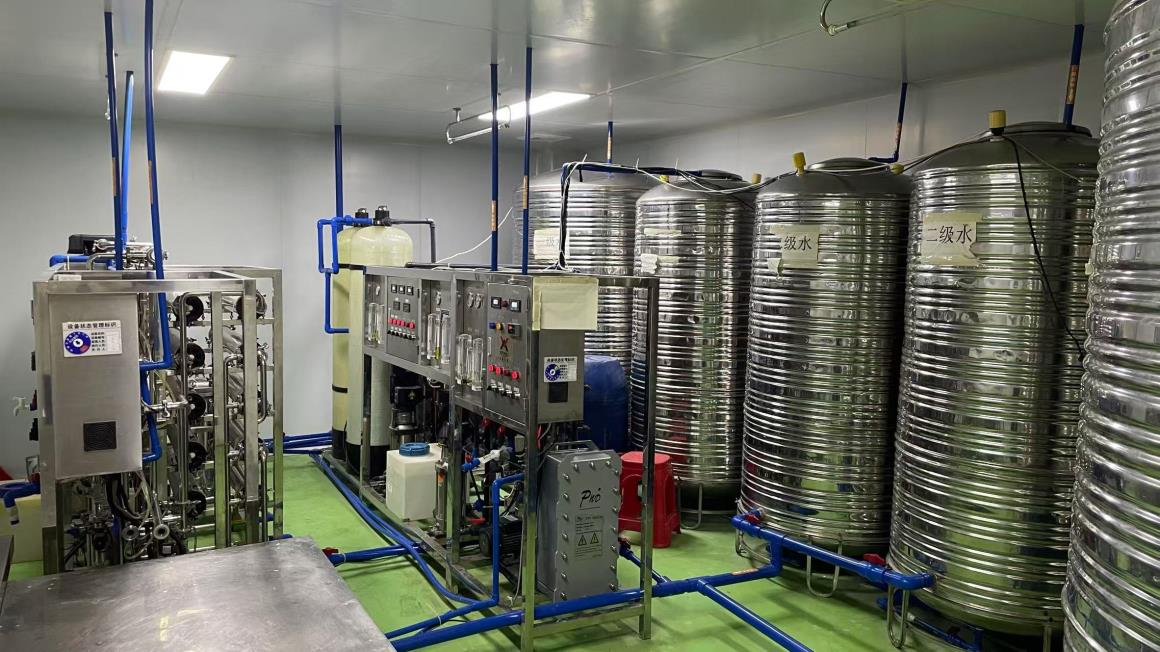
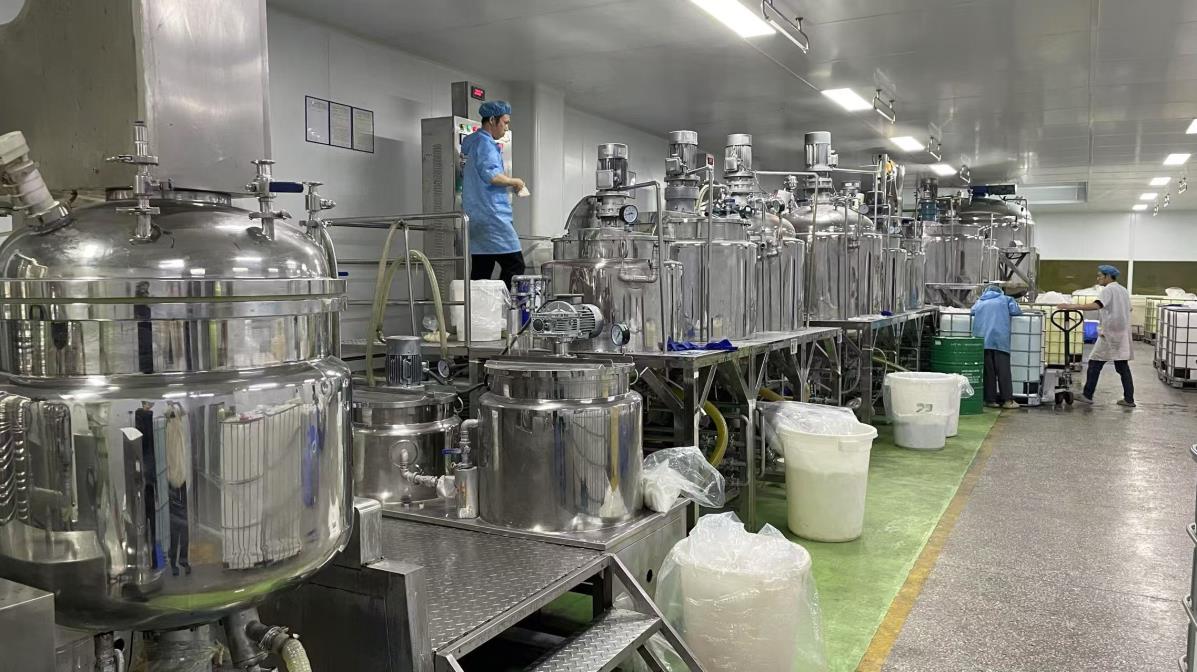
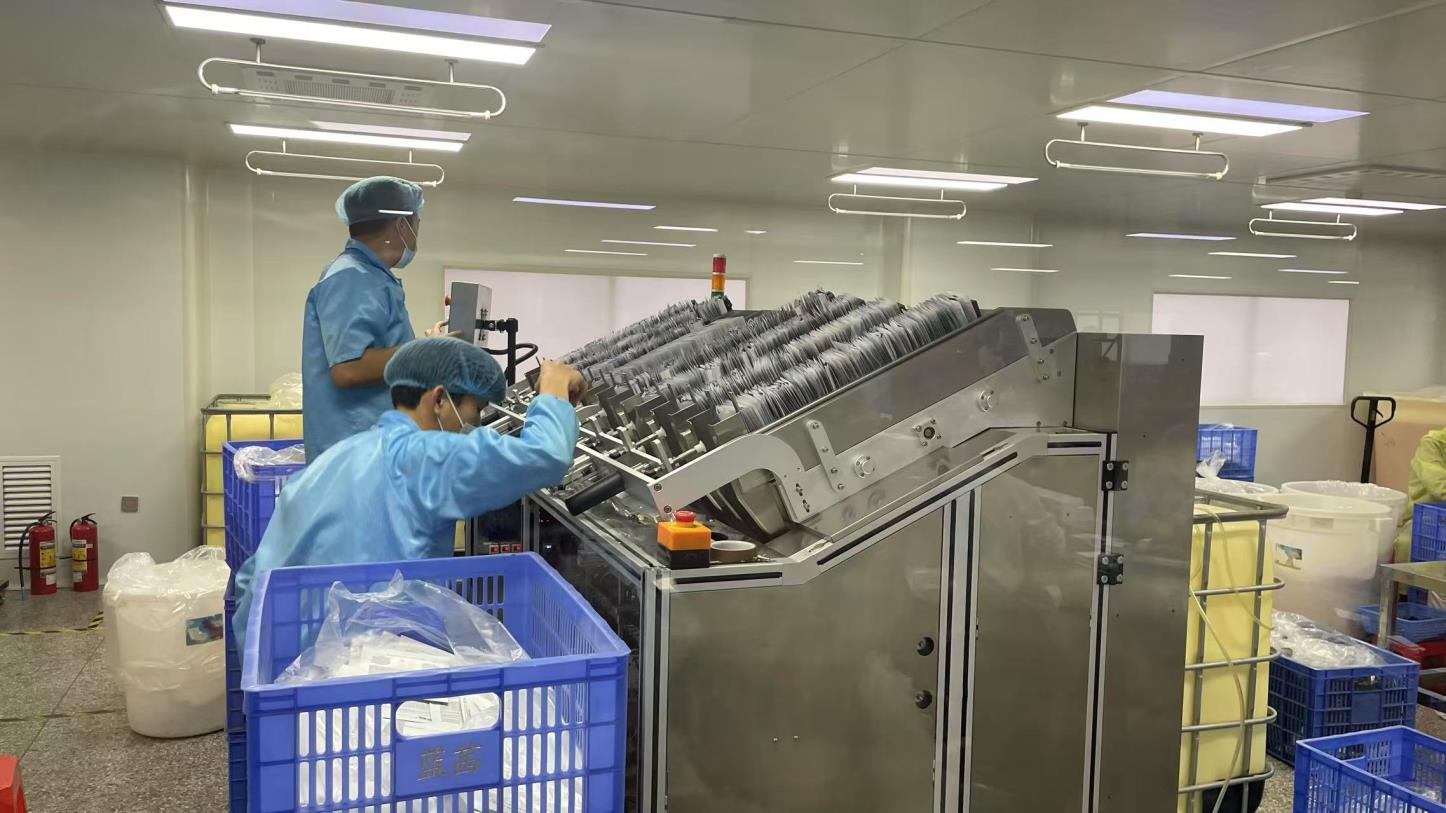
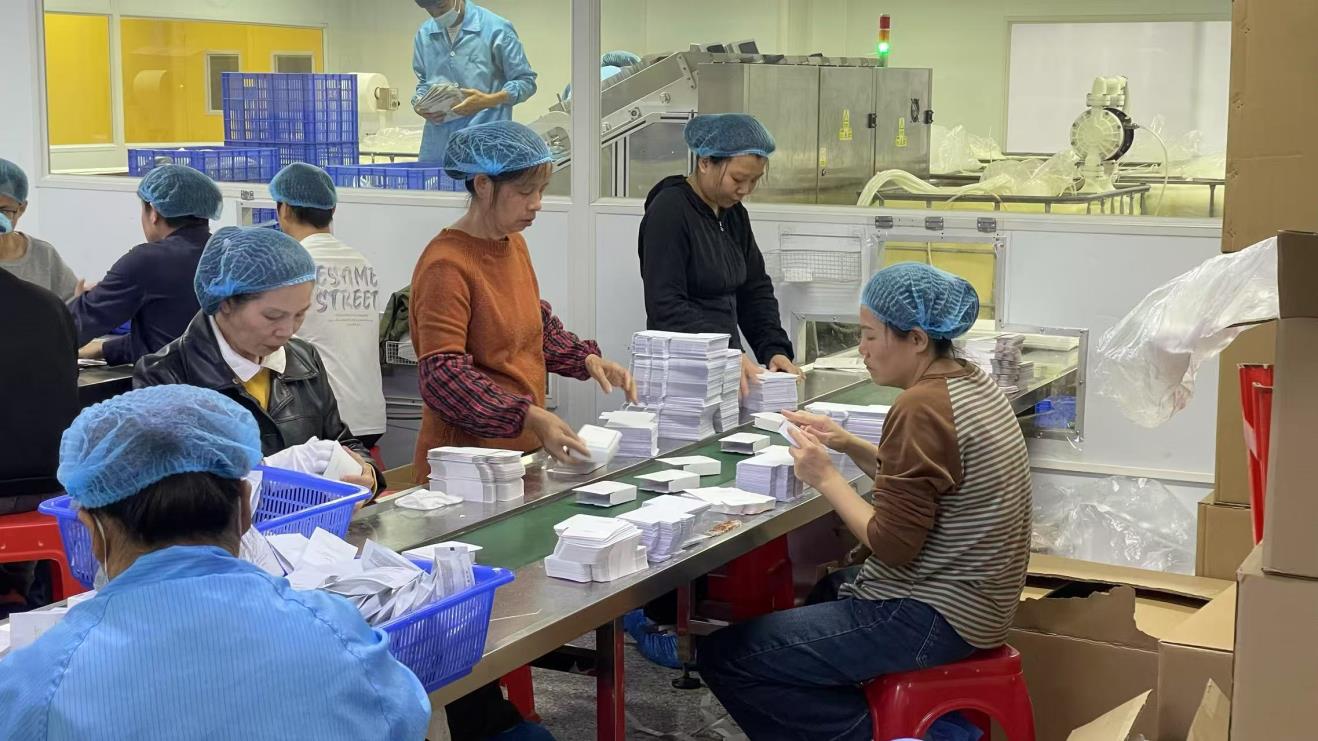
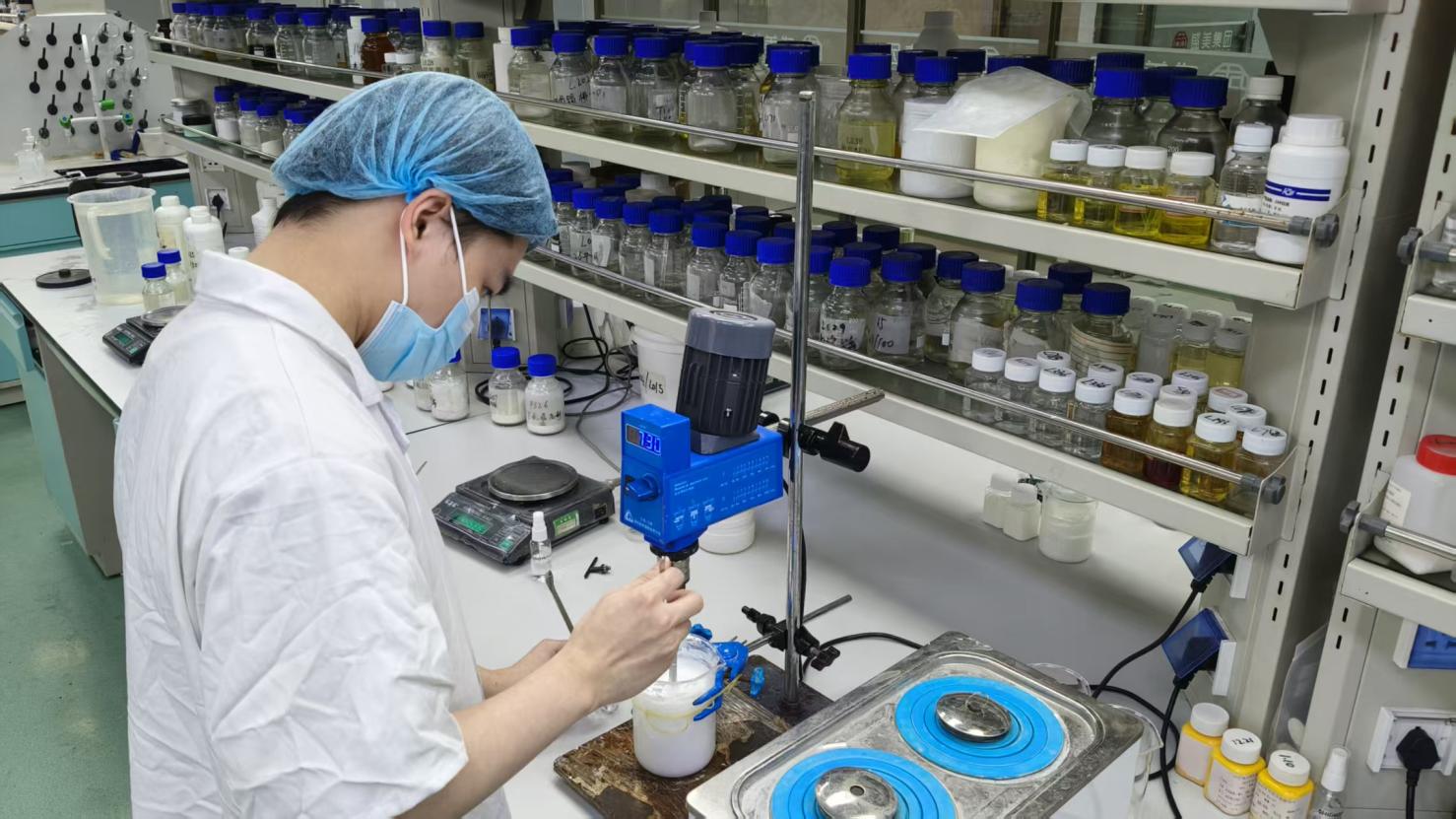
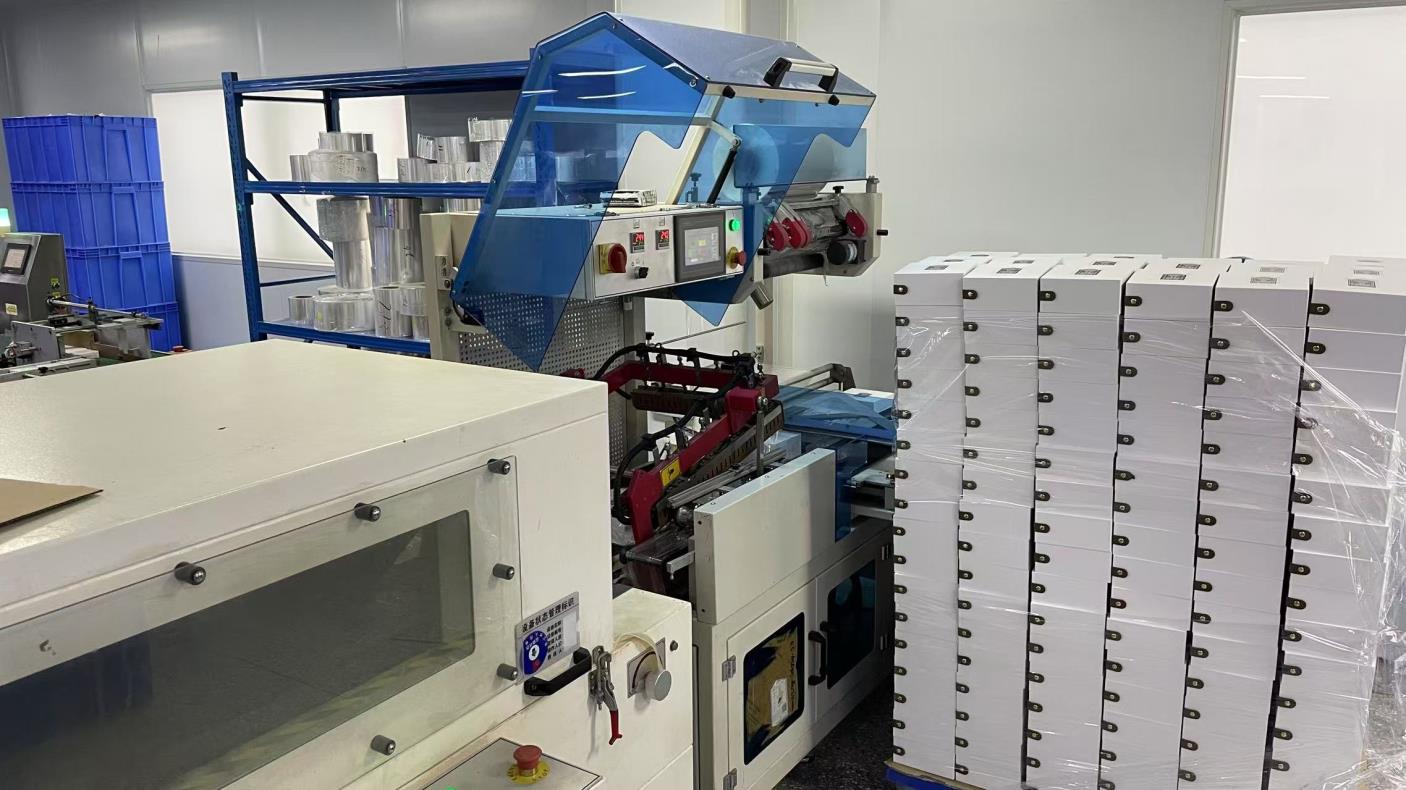
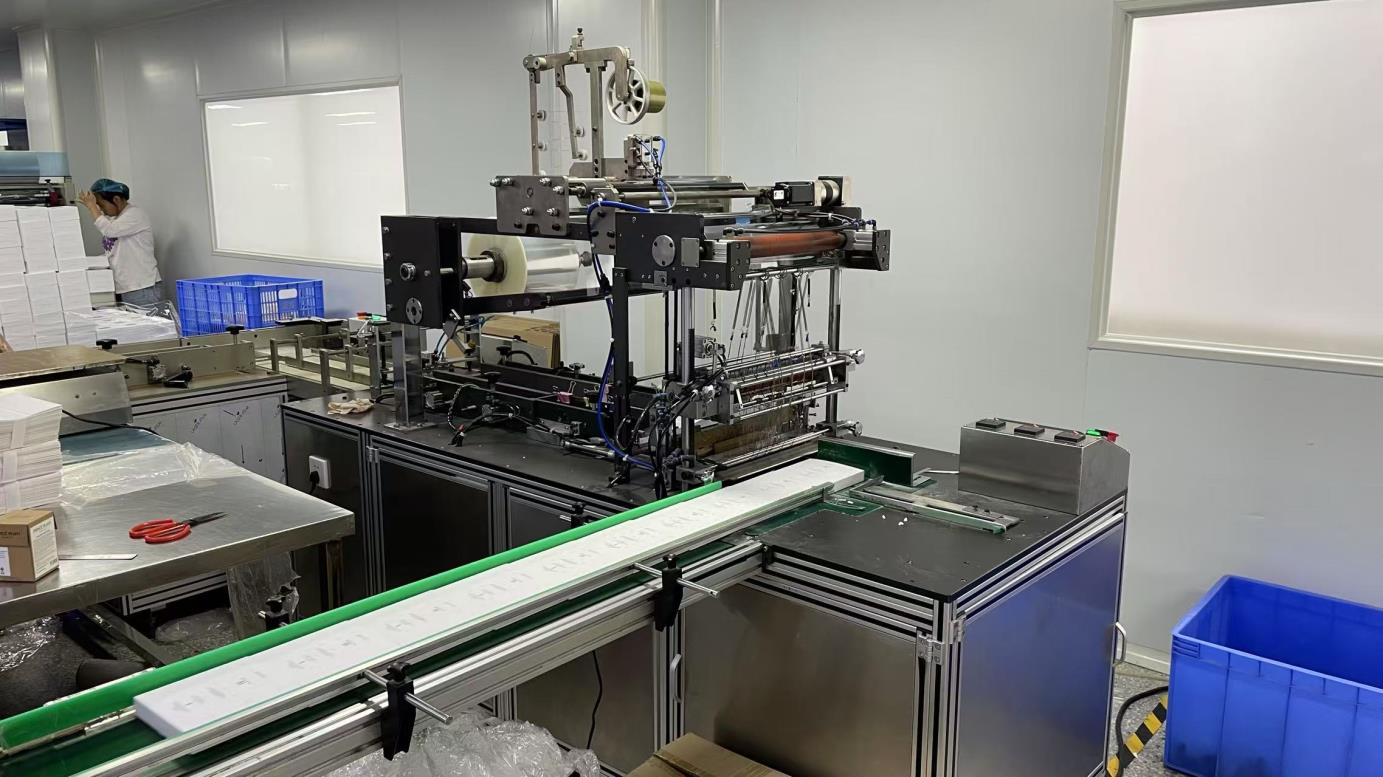
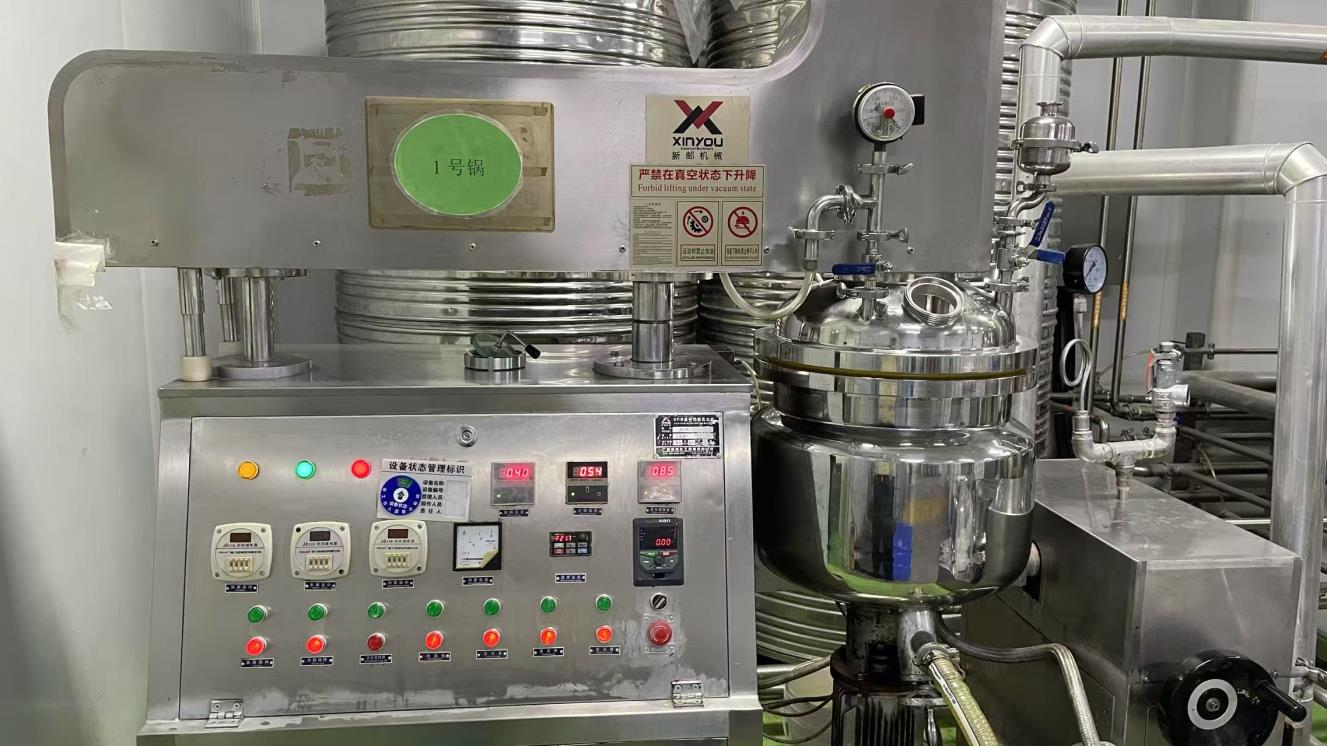
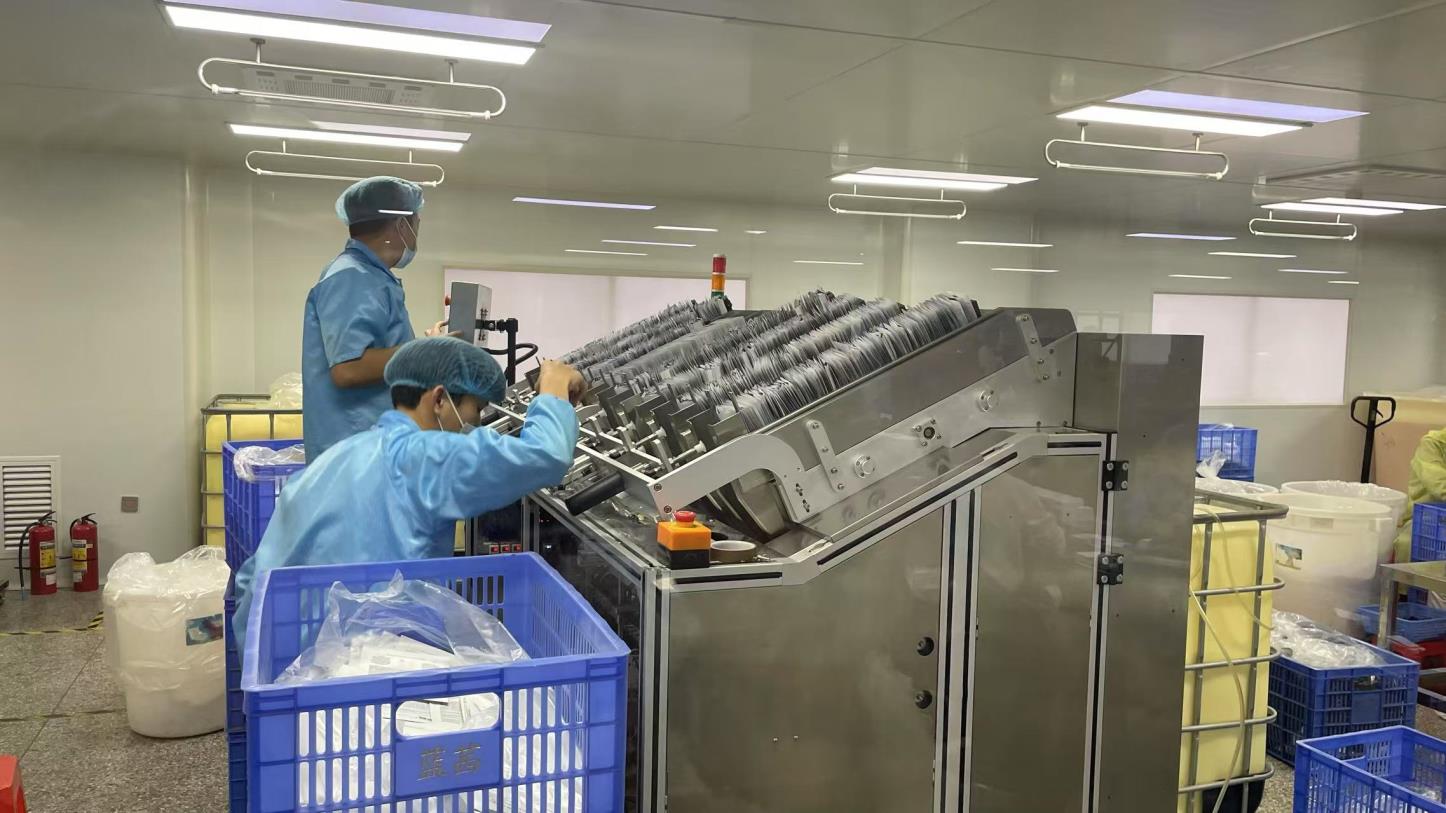
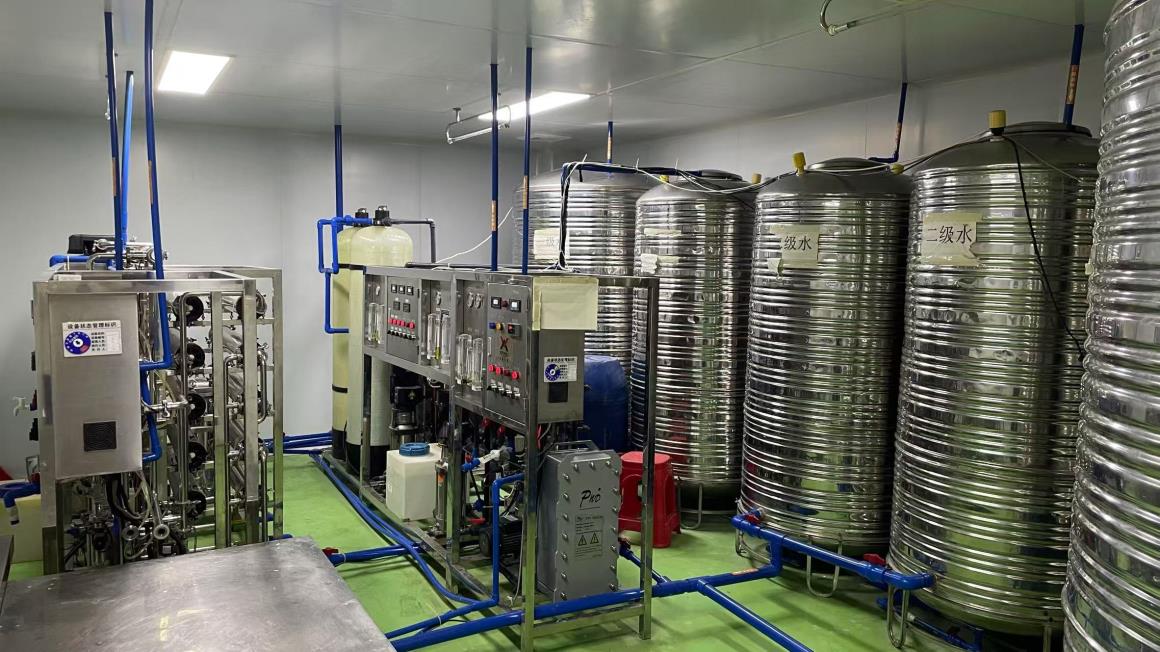
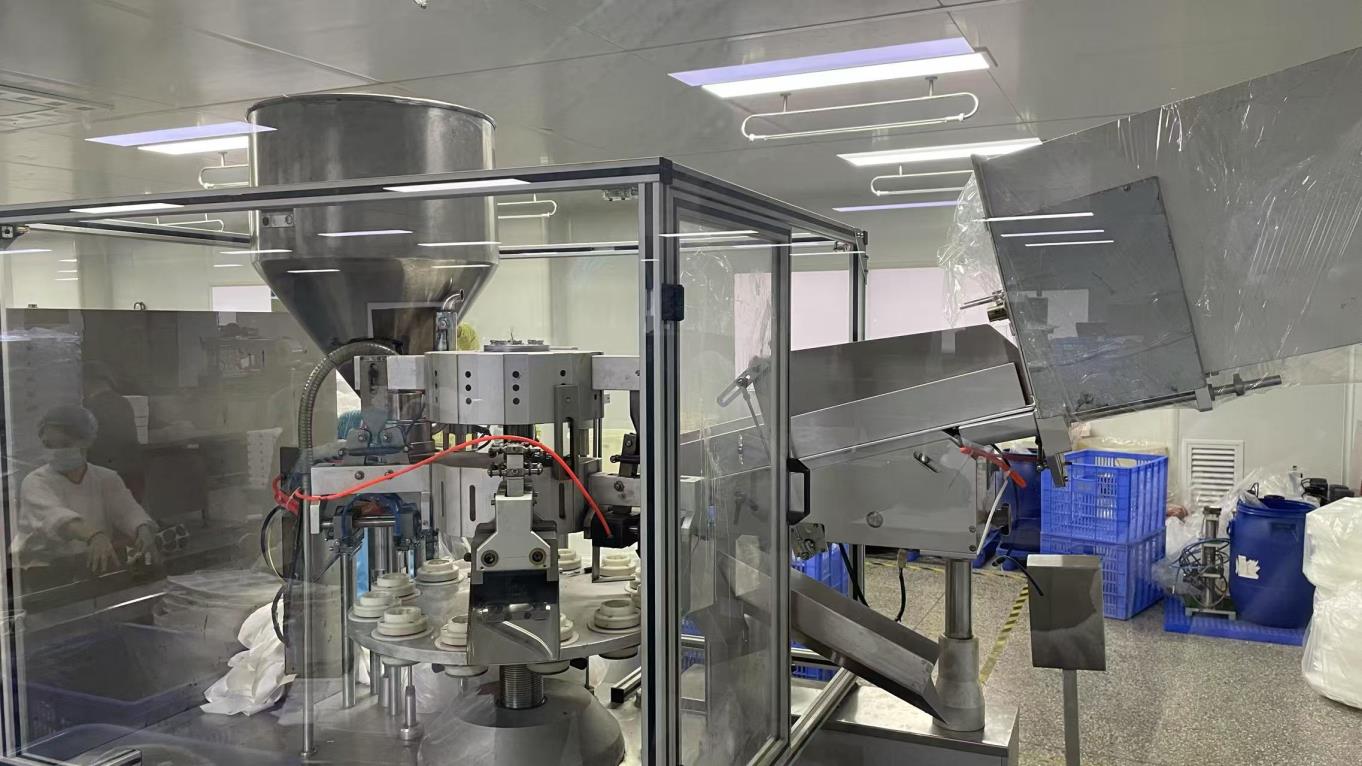
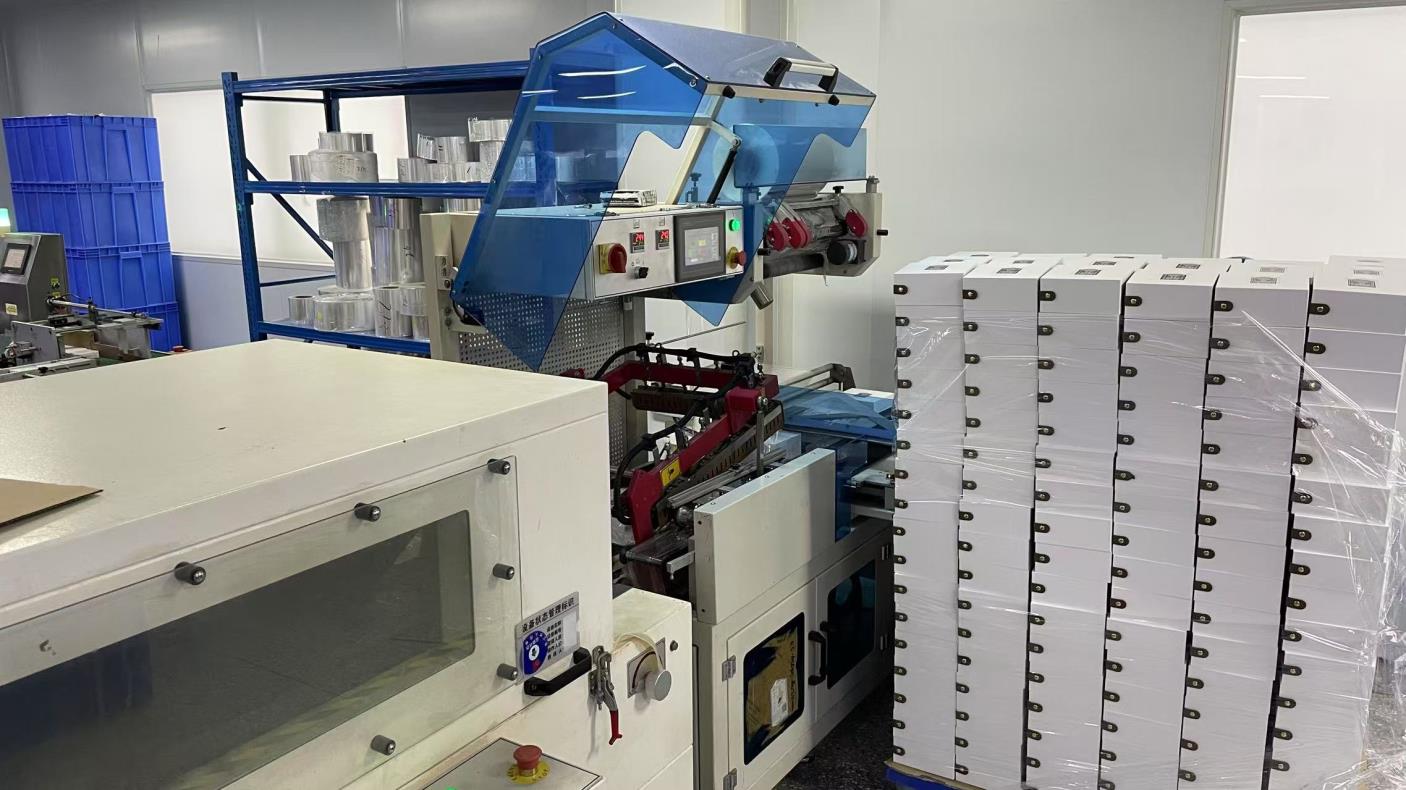
Historically, a key challenge in formulating high-strength AHA serums has been balancing exfoliation with barrier protection. Standard AHA serums can disrupt the skin barrier, leading to transepidermal water loss (TEWL) and irritation. Our R&D team addresses this through three primary formulation approaches:
A. Controlled-Release Encapsulation: By encapsulating Glycolic Acid within lipid-based nanocarriers or polymeric matrices, we slow its penetration rate. This gradual release reduces sudden changes in skin pH, minimizing stinging and irritation without compromising its long-term exfoliating benefits.
B. Synergistic Barrier Repair: We integrate barrier-supporting lipids directly into our exfoliating serums. By combining AHAs with a bio-mimetic lipid blend (comprising ceramides, cholesterol, and free fatty acids), the serum helps rebuild the skin barrier even as it exfoliates.
C. Active Ingredient Pairings: We pair exfoliating acids with restorative ingredients like PDRN (Polydeoxyribonucleotide), Hexapeptides, Niacinamide, and Hyaluronic Acid. This helps soothe the skin, reduce redness, and promote hydration during chemical exfoliation.
Navigating international cosmetics regulations is essential for successful global export. AHA serums are subject to strict limits in major markets to ensure consumer safety:
Shandong OrDie Beauty Co., Ltd. provides comprehensive regulatory support, including MSDS generation, heavy metal and microbiological testing, stability reports, and compliance documentation required for customs clearance in the US, EU, and Asia-Pacific regions.
Scientific answers to common technical queries regarding AHA serum manufacturing, stability, and sourcing.
Explore our full range of therapeutic formulas, from deep-cleansing mousses to concentrated anti-aging serums.