Executive Summary: The Rise of Bio-Active Acne Solutions
In the rapidly changing landscape of the global skincare market, cosmetic brands are shifting away from aggressive synthetic chemical agents toward bio-active, botanical alternatives. Among these, Tea Tree Oil (derived from Melaleuca alternifolia) has firmly established itself as the gold standard for natural acne mitigation. However, raw tea tree oil presents challenges in formulation due to its volatility, potential skin irritation at high concentrations, and susceptibility to oxidation.
To solve this, advanced cosmetics laboratories in China have developed the Tea Tree Acne Control Gel. By engineering lightweight, quick-penetrating gel matrices, manufacturers deliver stable, bioavailable Terpinen-4-ol (the active component in tea tree oil) directly to the pilosebaceous unit. This whitepaper analyzes the market growth of this product, the manufacturing capabilities in China, and how brands can scale their private labels through optimized OEM/ODM partnerships.
$9.2B
Global Acne Treatment Market (by 2029)
12.4%
Tea Tree Gel Segment CAGR
85%
Sourcing Cost Efficiency in China
<0.01%
Batch Defect Rate at GMPC Factories
1. Global Market & Industrial Landscape of Tea Tree Acne Gel
The global demand for acne treatments is undergoing a major shift. Modern consumers, guided by online resources and dermatological transparency, increasingly avoid harsh sulfates, synthetic alcohol, and benzoyl peroxide. These traditional ingredients are known to disrupt the skin barrier, leading to post-inflammatory hyperpigmentation (PIH) and dry patches.
Information Gain: Sebum-Regulation vs. Barrier Protection
Standard acne formulations historically focused solely on drying out sebum. Modern formulation science aims to balance the skin's microbiome. China's top manufacturers design Tea Tree Gels that deliver antiseptic properties while supporting the skin's lipid barrier with integrated ceramides, hyaluronic acid, and botanical extracts like Centella Asiatica.
From a geographic perspective, demand is surging in high-humidity climates such as Southeast Asia and Latin America, where excess sebum production is common. Meanwhile, in European and North American markets, tea tree gels are increasingly marketed as "clean clinicals." These products combine natural botanical ingredients with proven clinical actives like Salicylic Acid (BHA) to appeal to conscious consumers.
2. Inside Shandong OrDie Beauty Co., Ltd.
Shandong OrDie Beauty Co., Ltd. is an established leader in biotechnology and cosmetic manufacturing. Combining advanced research and development, smart production lines, and structured brand operations, the company delivers high-performance skincare solutions to global markets.
Operating under the core value of "Technology Creates Beauty, Quality Builds Trust," OrDie Beauty focuses on functional formulations that target specific skin concerns. The company operates a fully integrated supply chain, from sourcing raw materials to custom formulation development, GMPC-compliant cleanroom packaging, and international distribution.
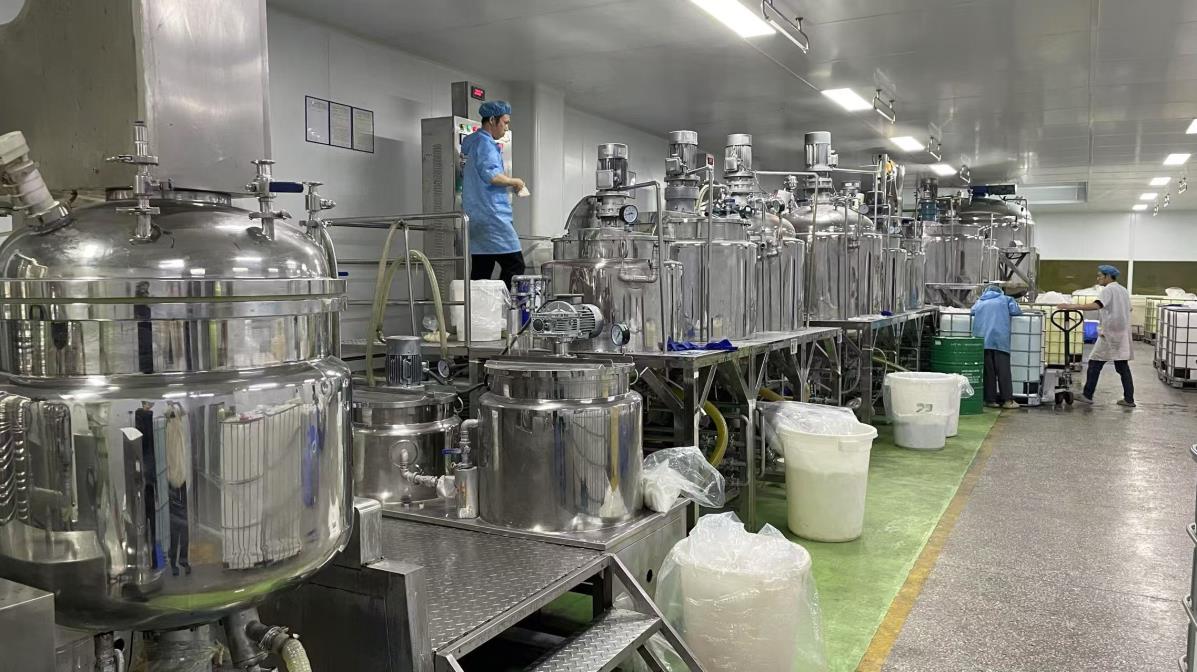
Rather than relying on basic mixing methods, the company utilizes high-pressure homogenization and micro-emulsification technologies. These processes ensure that volatile organic components, including active tea tree fractions, remain stable inside the gel. This provides a long shelf-life and maintains product efficacy for the end user.
Technical Equipment and Production Capability
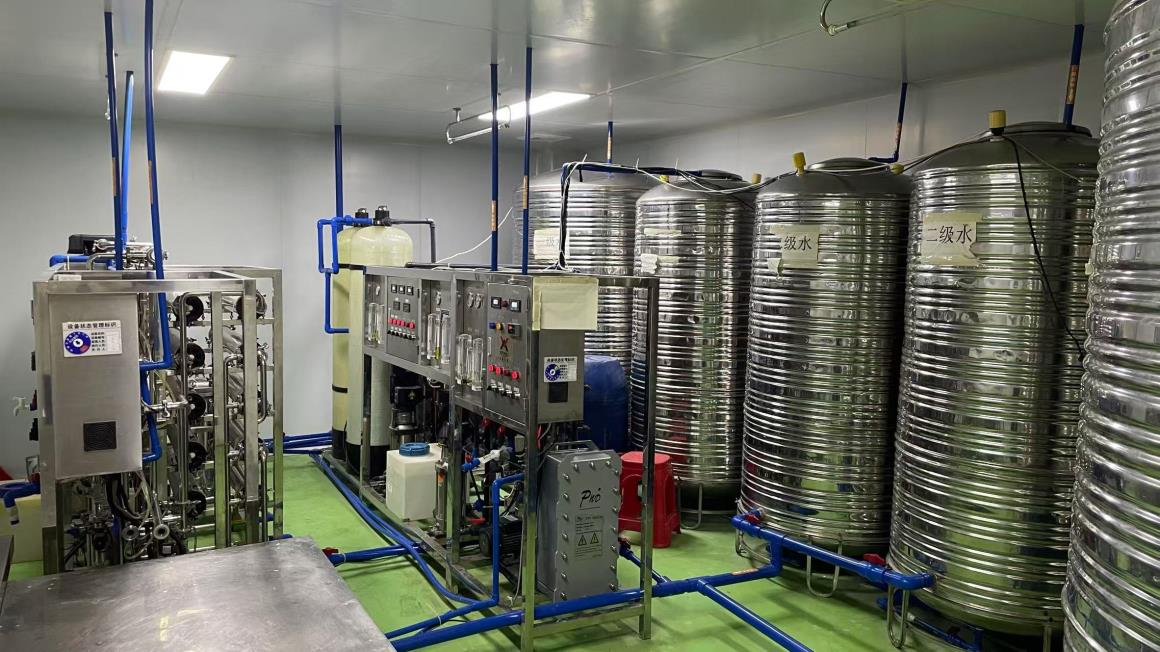
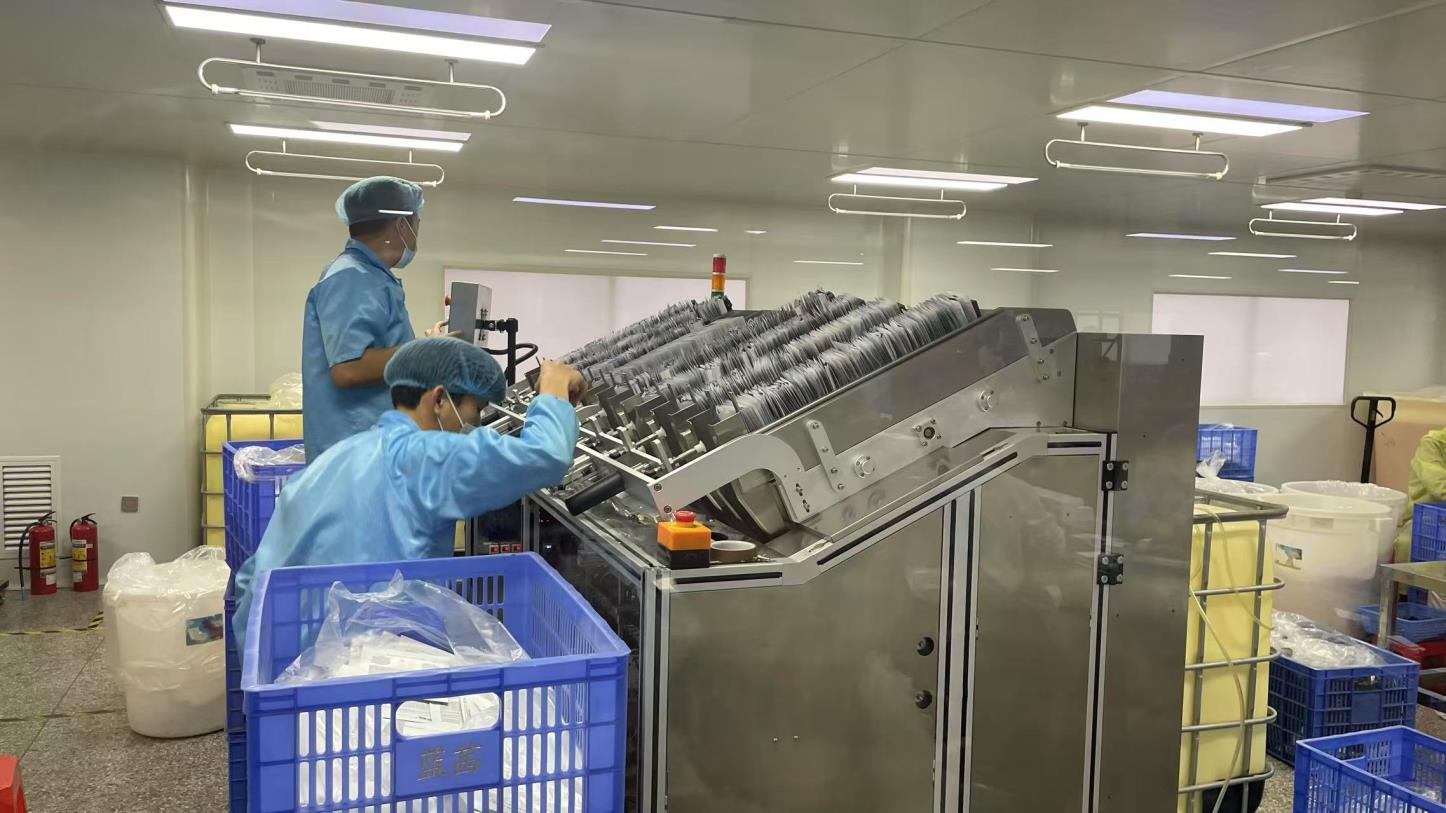
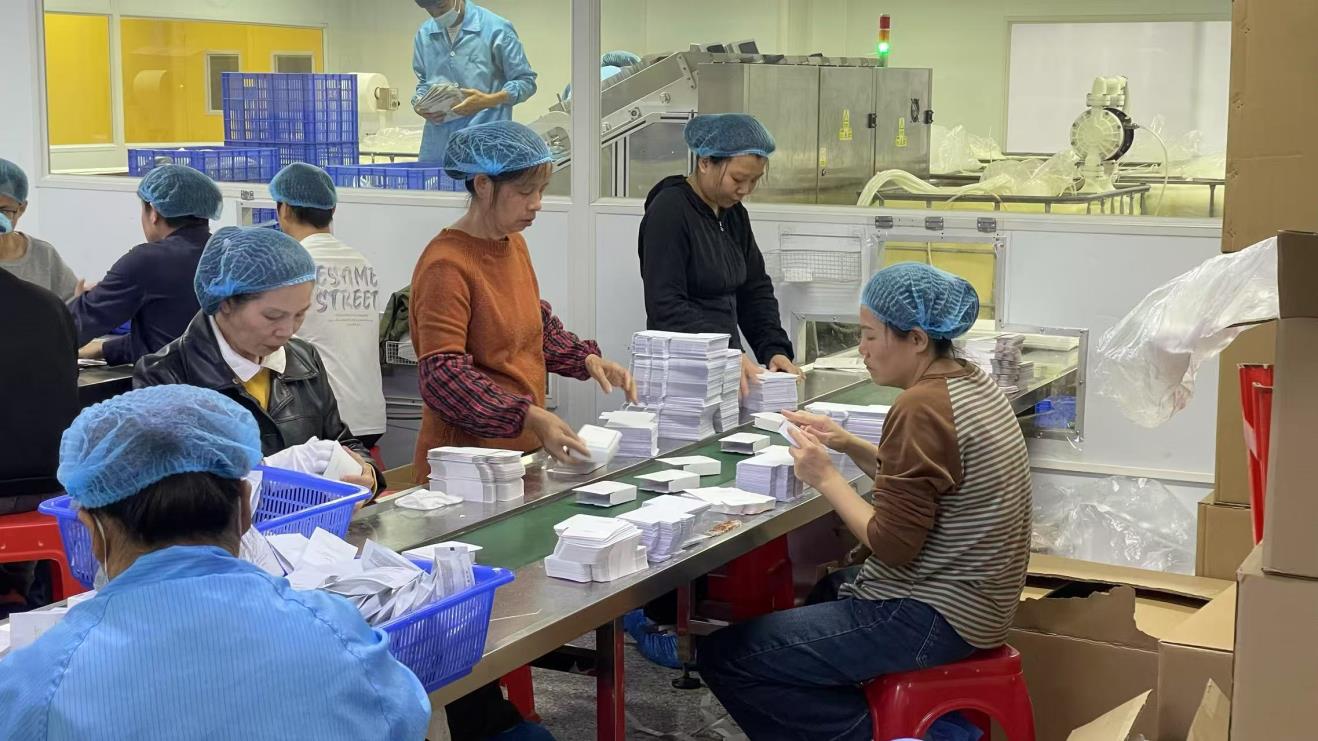
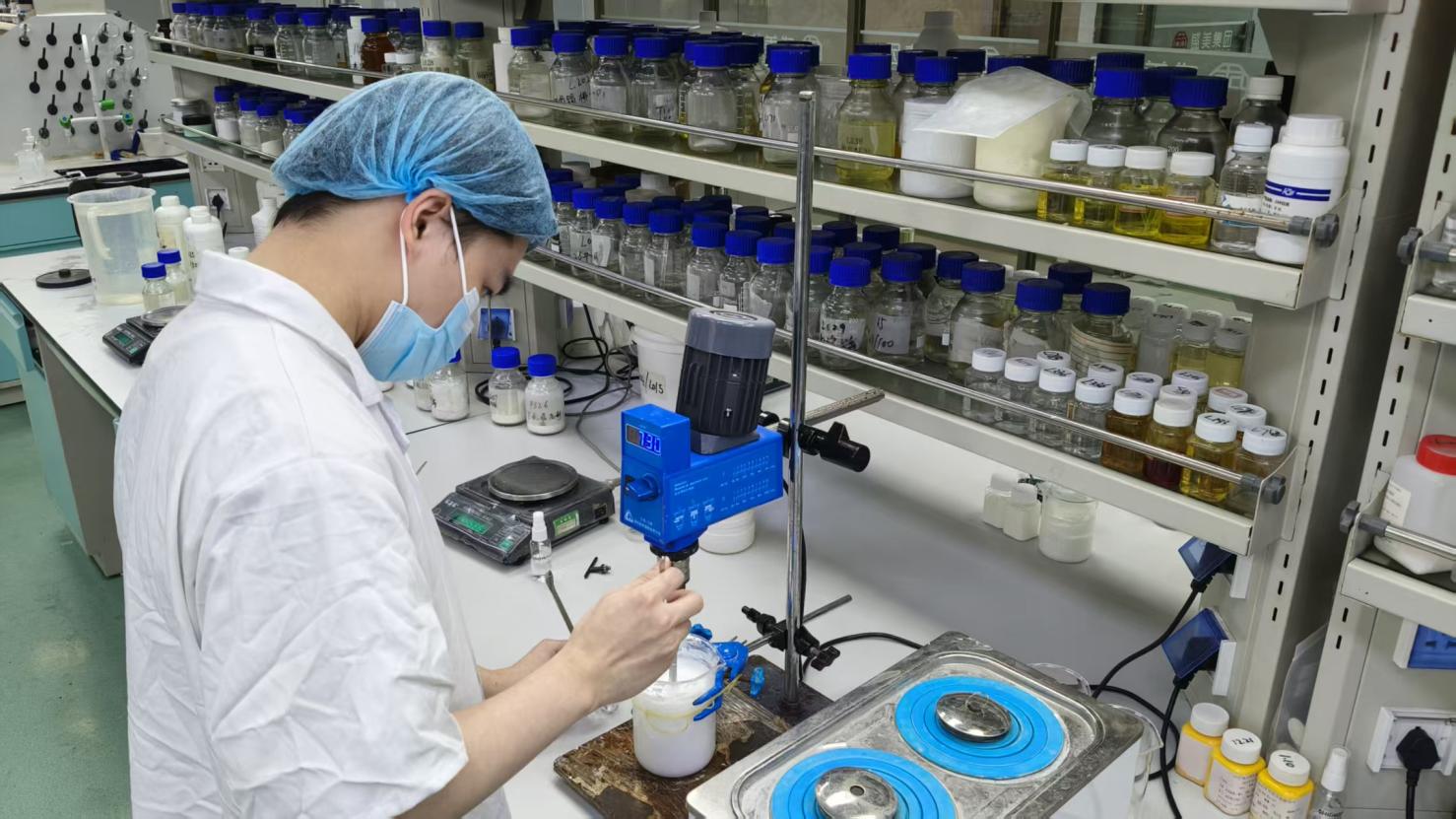
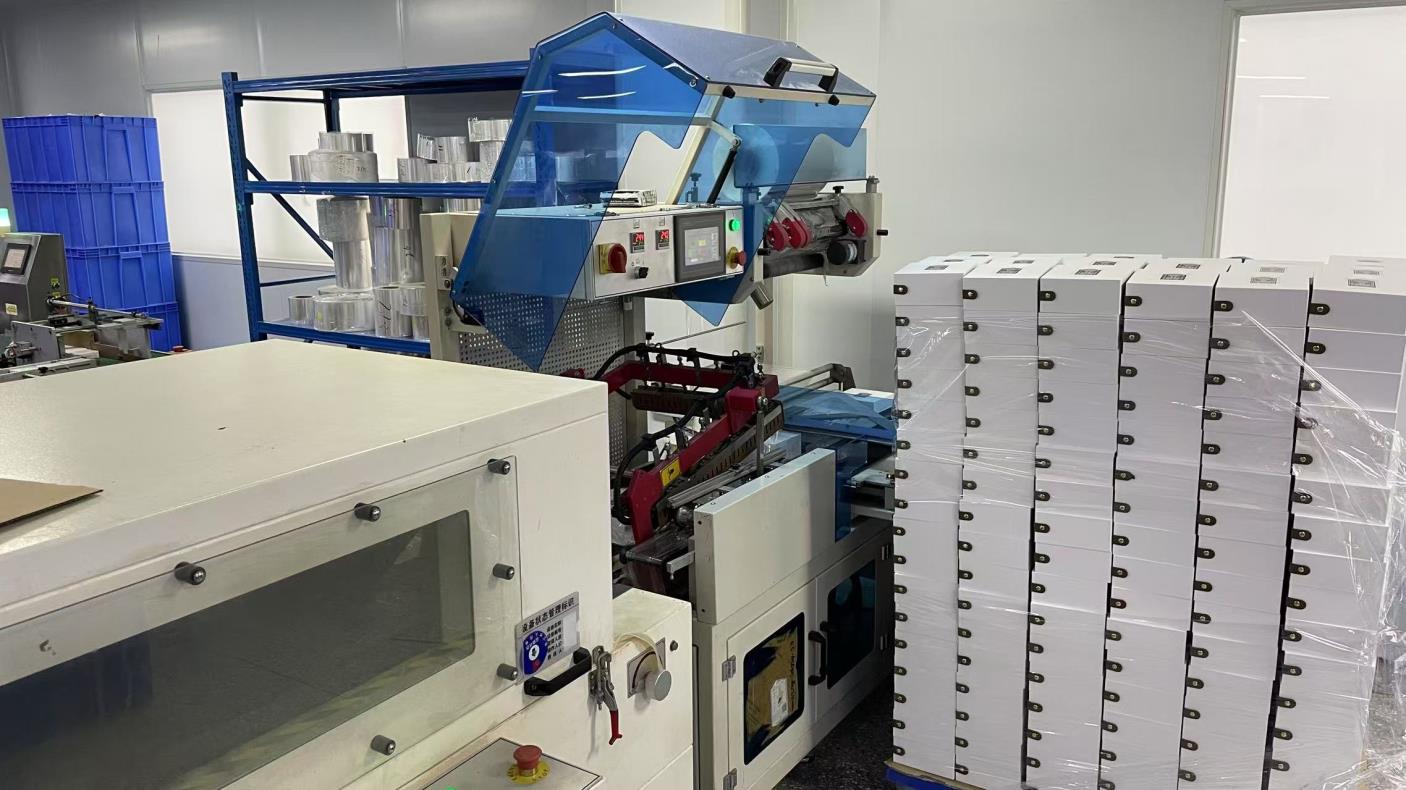
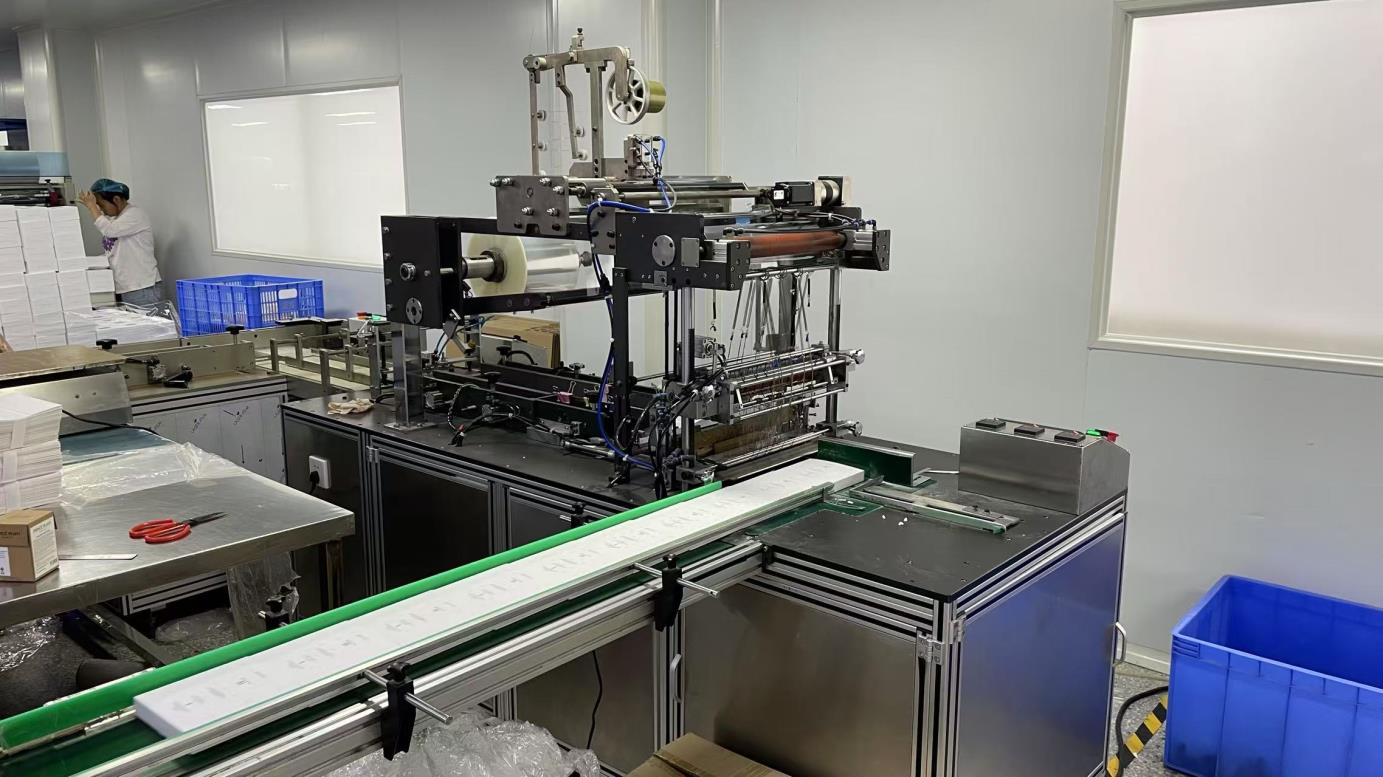
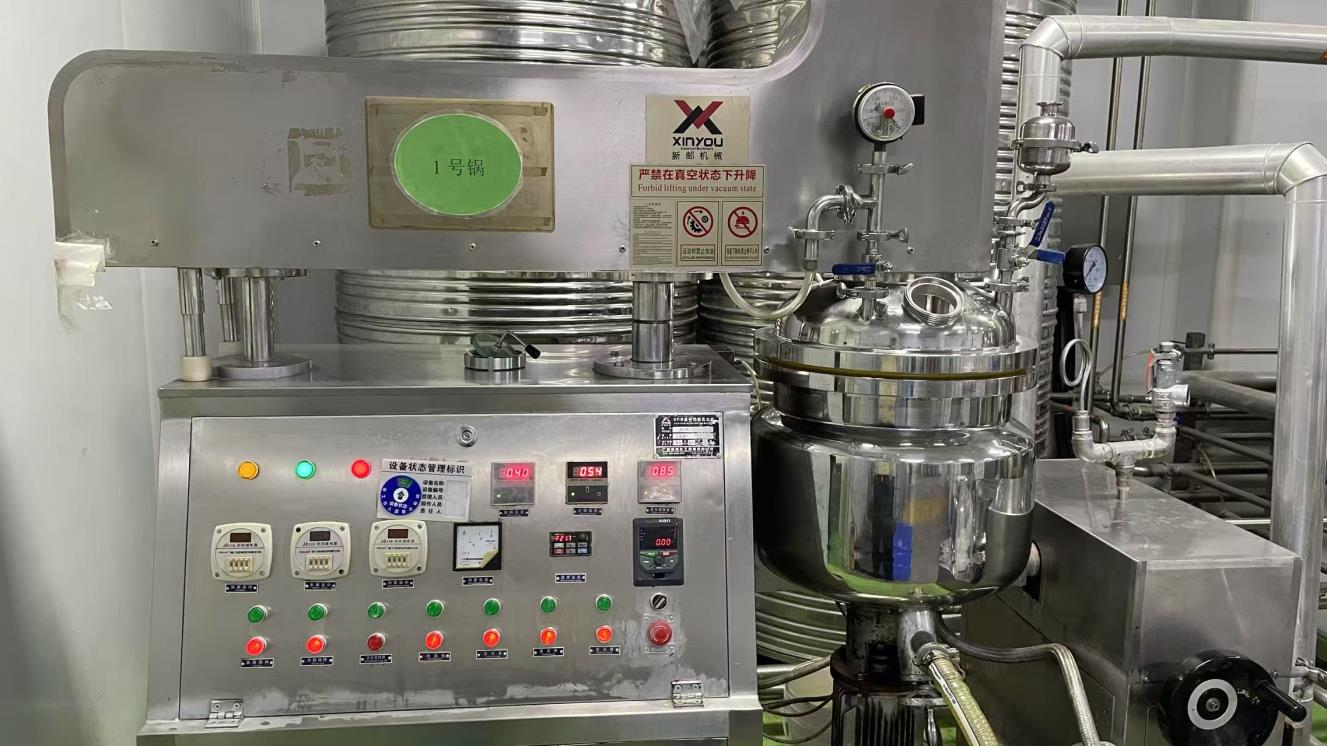
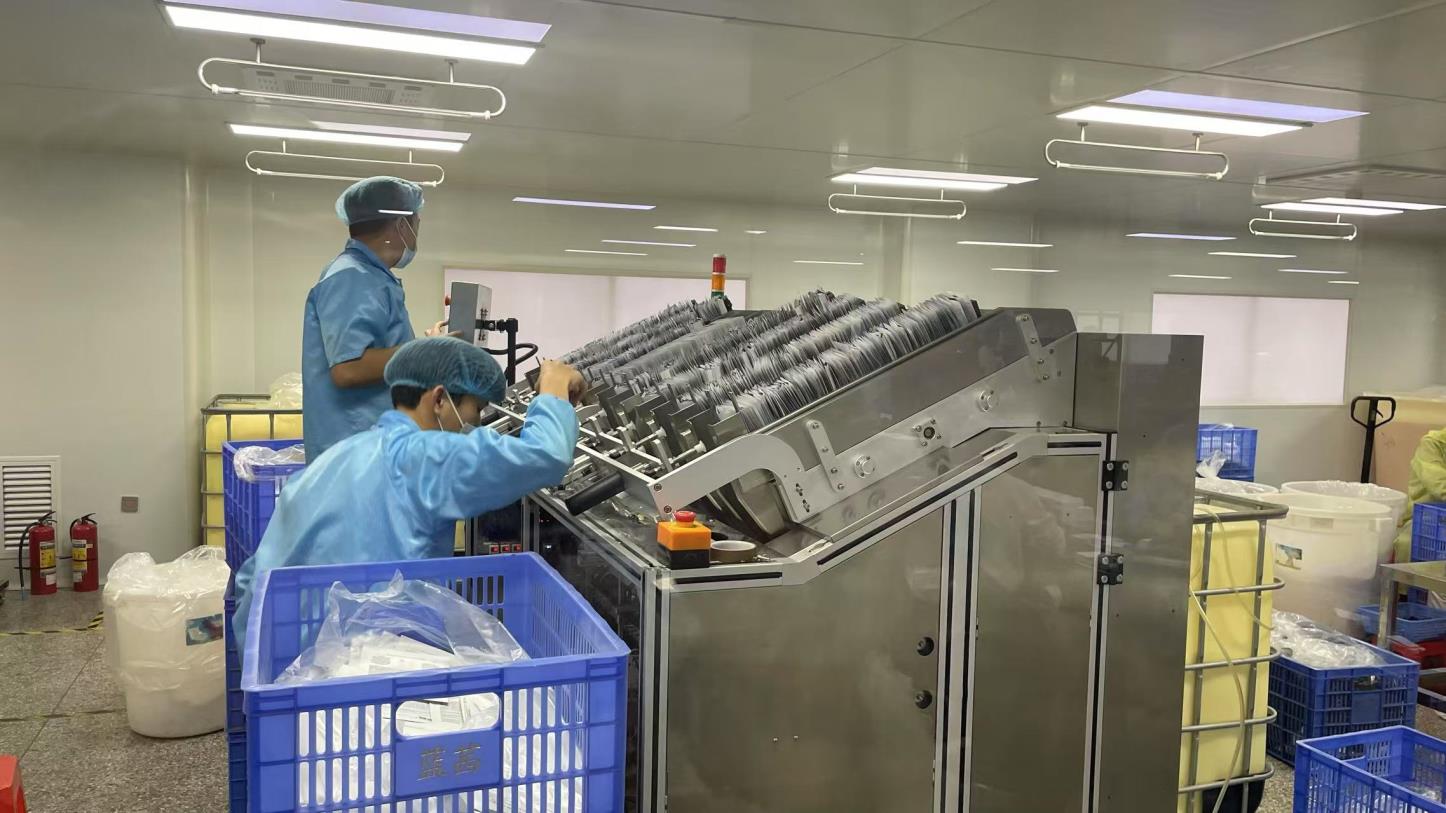
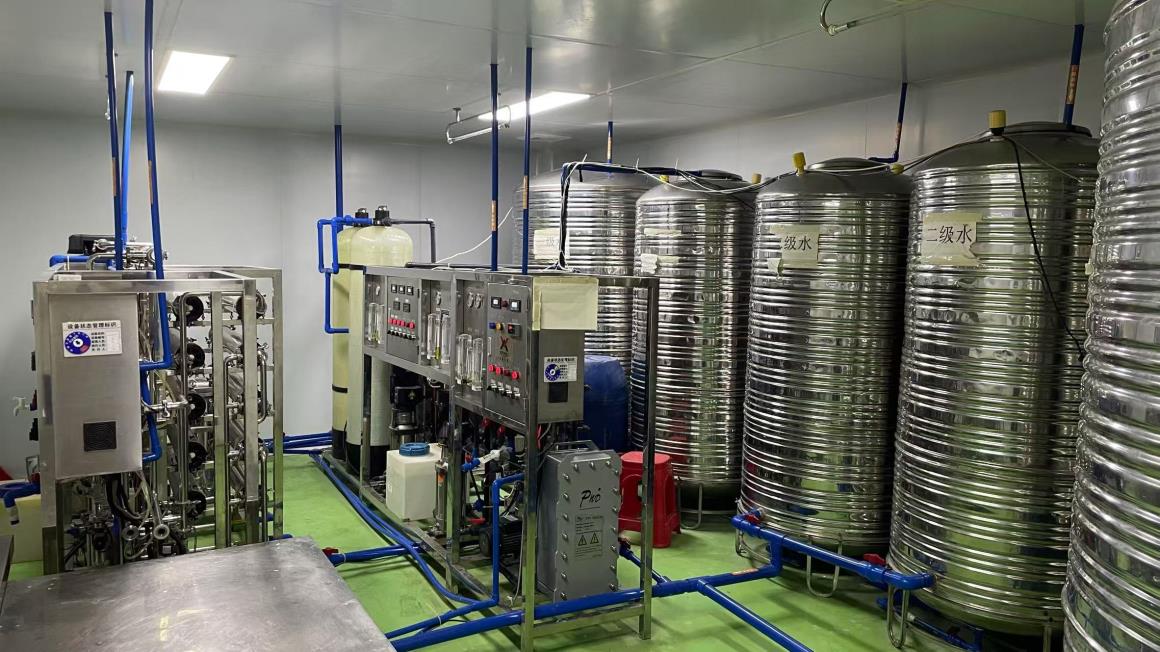
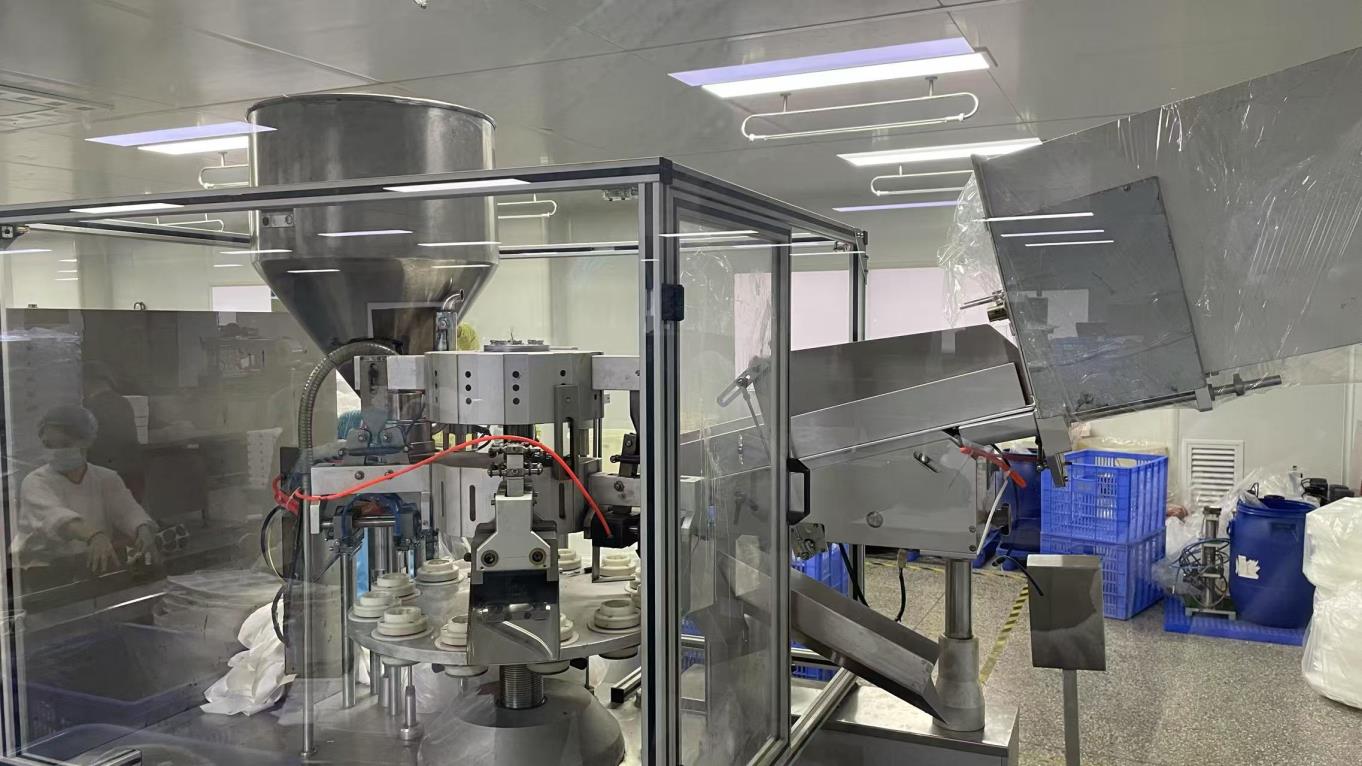
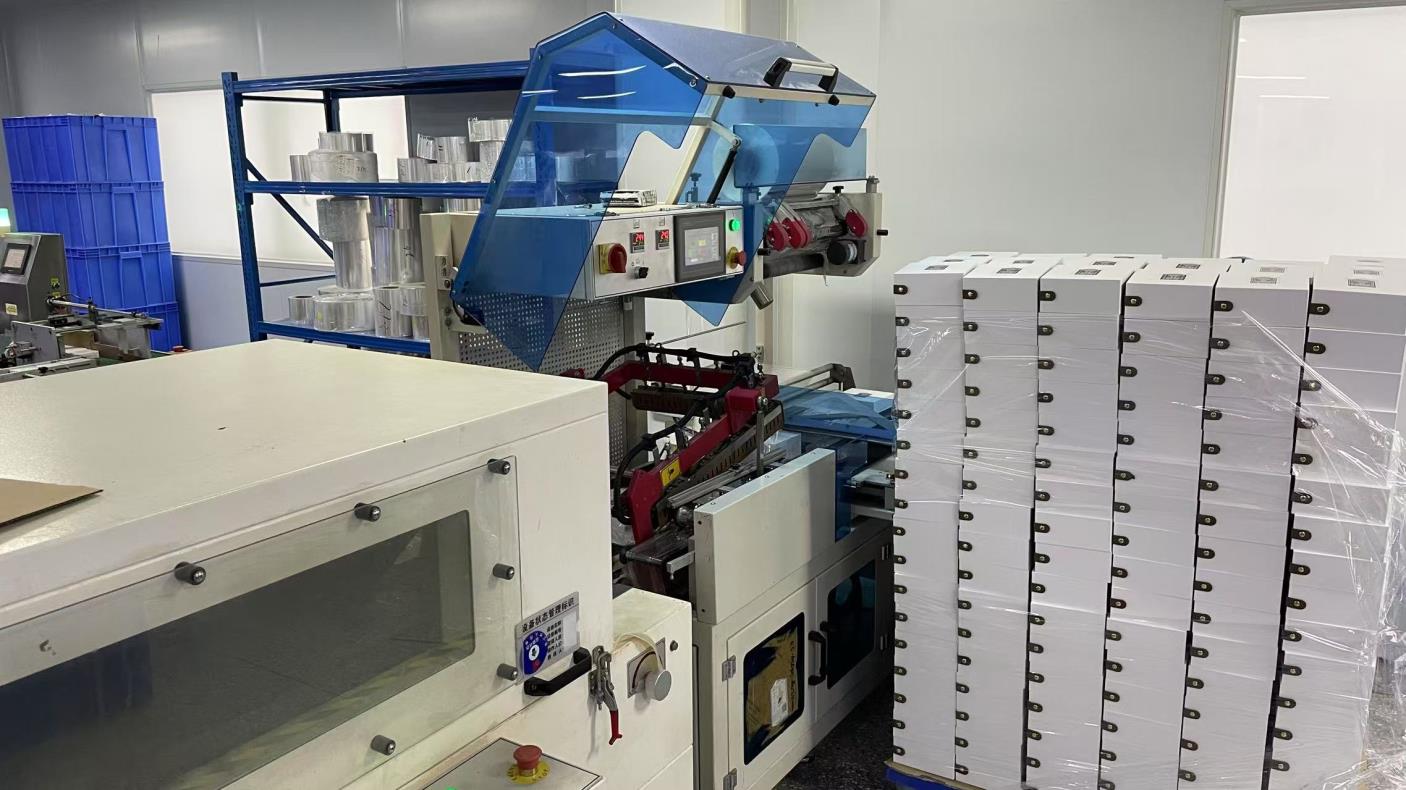
OrDie Beauty's manufacturing facilities are built around automation and strict quality control. The production floor is equipped with specialized equipment that monitors temperature, pressure, and ingredient dispersion at every stage of the manufacturing process.
Water Treatment System
Emulsification Processing
Automated Gel Filling
Precision Labeling Machine
QC Quality Verification
Safe Export Packaging
Thermal Film Shrinking
Industrial Emulsification
Mask Filling Machine
Reverse Osmosis Water Purification
Precision Liquid Dispenser
Fully Automated Cartoning
3. Formulation Science: The Mechanics of Active Acne Control
The performance of an acne control gel depends on the bio-availability of its active ingredients. At Shandong OrDie Beauty, formulation design focuses on three key chemical variables:
Terpinen-4-ol Standardization: Rather than using raw tea tree oil, which contains sensitizing allergens like limonene, our processes isolate Terpinen-4-ol. This minimizes skin irritation while retaining the oil's natural purifying benefits.
Hydrogel Delivery Matrix: Using carbomer or polyacrylate cross-polymers creates a non-comedogenic matrix. This structure holds moisture on the skin surface while releasing active molecules without leaving a sticky residue.
Synergistic Acid Blends: By pairing tea tree derivatives with low-dose Salicylic Acid (0.5% - 2.0%), the gel exfoliates pore walls, clearing sebum blockages and allowing the botanical actives to work more efficiently.
Additionally, maintaining pH stability is critical. Natural skin sits between 4.5 and 5.5. An effective acne control gel must match this acidic range to prevent disrupting the skin's protective acid mantle, which can trigger compensatory oil production.
4. Supply Chain Efficiencies in Chinese Manufacturing
China's cosmetics manufacturing hubs offer significant competitive advantages for international beauty brands:
Vertical Material Integration: Factories operate close to packaging plants, valve manufacturers, and chemical suppliers. This layout minimizes domestic shipping times and reduces supply chain risks.
Advanced Automation: High-throughput lines—such as automated cartoning machines, multi-nozzle rotary fillers, and high-precision labeling systems—enable factories to run continuous production runs with minimal downtime.
Shorter Customization Cycles: In-house labs rapidly develop and modify formulations, allowing brands to transition from initial concept to pilot runs and full-scale production in weeks rather than months.
For brands seeking to partner with manufacturers like Shandong OrDie Beauty Co., Ltd., understanding the stages of cosmetic procurement is key to a successful product launch:
Step 1: Formulation Briefing: The brand specifies target textures, scent profiles (natural tea tree aroma or fragrance-free), active ingredient percentages, and regulatory requirements (e.g., EU cosmetic regulations, FDA compliance).
Step 2: R&D Sample Iteration: The laboratory creates prototype batches. These samples undergo stability testing at elevated temperatures (45°C) and freeze-thaw cycles to ensure they will not separate during transit.
Step 3: Packaging Compatibility Testing: Gels can react with certain plastics. Manufacturers conduct compatibility tests to ensure the product does not degrade its tube, pump bottle, or jar over time.
Step 4: Scale-up & Production: Once the formulation and packaging are approved, the product goes to full-scale production, utilizing emulsifiers and high-speed filling lines to ensure batch uniformity.
6. Frequently Asked Questions (FAQ)
What is the standard lead time for an OEM Tea Tree Acne Gel order?
For standard formulations with existing packaging options, lead times generally range between 20 to 30 days. Custom formulations requiring specialized stability and compatibility testing, or custom-molded packaging, may extend the timeline to 45 days.
How do you ensure the stability of volatile Tea Tree Oil in water-based gels?
We use polymeric emulsifiers and encapsulation technology to suspend the active oil components within the hydrogel. This prevents phase separation, limits oxidation, and ensures the active ingredients remain effective throughout the product's shelf life.
Can you formulate acne gels that meet clean beauty standards in Europe and North America?
Yes, our lab designs formulations that comply with clean beauty guidelines. We exclude parabens, sulfates, phthalates, synthetic fragrances, and mineral oils, and can provide all necessary paperwork for regulatory compliance in these regions.
What are the Minimum Order Quantities (MOQs) for private label gel products?
MOQs vary based on packaging requirements. Standard packaging designs typically start at 5,000 units, while highly customized bottles or tubes may require 10,000 units to begin production.
How do you maintain batch consistency during large-scale manufacturing?
Our manufacturing processes rely on computerized controls to manage temperature, mixing speeds, and feed rates. In addition, our quality control lab tests samples from every batch for viscosity, pH, microbial levels, and active ingredient concentrations before packaging begins.
Do you offer packaging design and sourcing services for international clients?
Yes, we provide full ODM services, which include packaging design, material sourcing, logo printing, and external carton design. This allows clients to receive shelf-ready products directly from our warehouse.
Complementary Professional Formulas
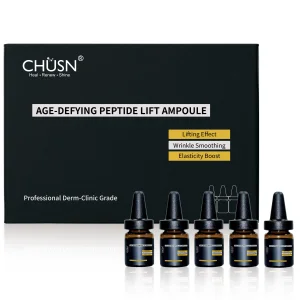
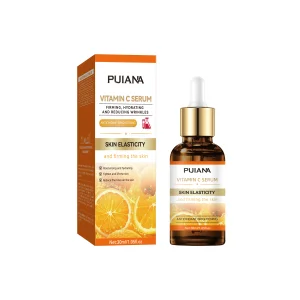
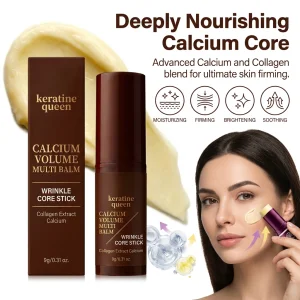
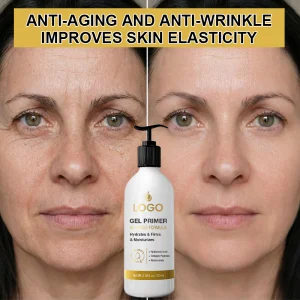
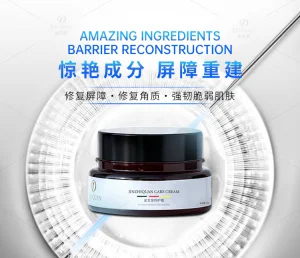
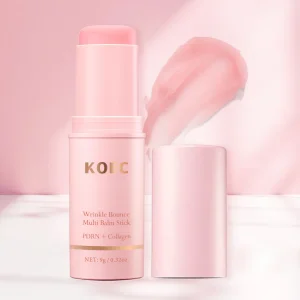
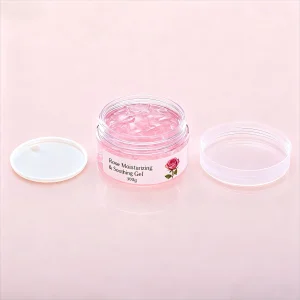
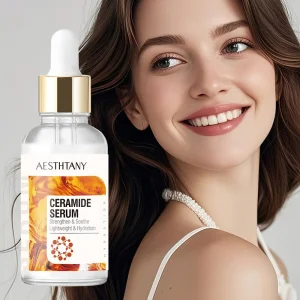
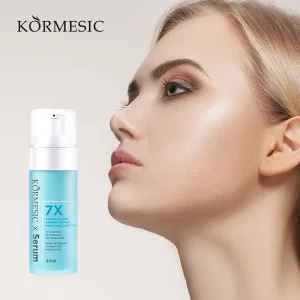
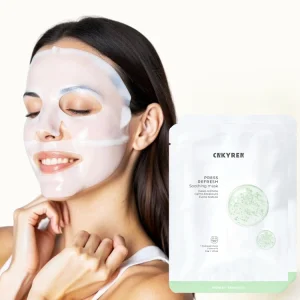
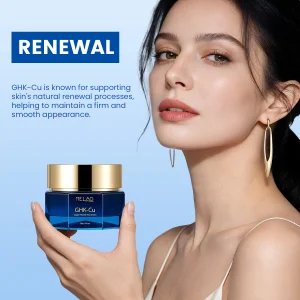
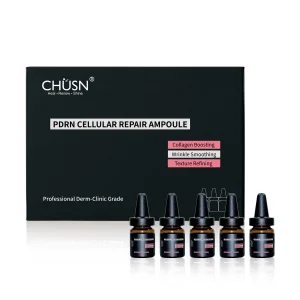
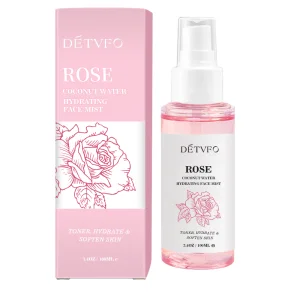
Expand your product range with our clinically developed active serums, skin-barrier creams, and targeted treatment systems.
 OrDie Beauty