OrDie Beauty
1. Executive Summary & The Argentina Cosmeceutical Landscape
The Argentine cosmetics and personal care market is currently undergoing a structural transformation. Faced with complex macroeconomic realities, including currency fluctuations and trade balancing protocols, the local industry has increasingly prioritized high-yield, premium formulations over mass-market items. Specifically, the segment of Peptide Wrinkle-Smoothing Ampoules has observed exponential growth. Consumers in metropolitan areas such as Buenos Aires, Córdoba, and Rosario are shifting their spending behaviors toward clinical, evidence-based dermatological solutions that offer visible "information gain" via science-backed efficacy.
In the past, traditional moisturizers dominated the Argentine anti-aging sector. However, local dermatological clinics and professional spa networks have established a new baseline for skincare expectation: immediate results combined with long-term cellular repair. This consumer trend has driven demand for highly stable, unit-dose ampoules. Ampoules offer a sterile, hermetically sealed container that preserves fragile active compounds like polypeptides, GHK-Cu, and Oligopeptides without requiring excessive levels of harsh synthetic preservatives, aligning cleanly with the global clean-beauty movement.
Why Peptides are Gaining Dominance in Argentina:
Unlike standard molecules that merely sit on the stratum corneum, bio-active peptides act as cellular messengers. They signal the fibroblast cells to synthesize new Collagen Types I, III, and IV, alongside Elastin and Glycosaminoglycans. For the Argentine consumer facing high UV exposure and urban environmental stressors, this physiological intervention is key to reversing photopollution-induced deep expression lines.
2. Argentina Industrial Status & Import/Sourcing Realities
From an industrial perspective, domestic cosmetic manufacturing in Argentina faces structural limitations. While the country possesses robust chemical processing capabilities, it remains heavily dependent on the importation of high-technology active ingredients. The local supply chain is characterized by a reliance on imported peptide powders, complex emulsifying agents, and specialized packaging technologies (such as medical-grade glass ampoules and freeze-dried vials).
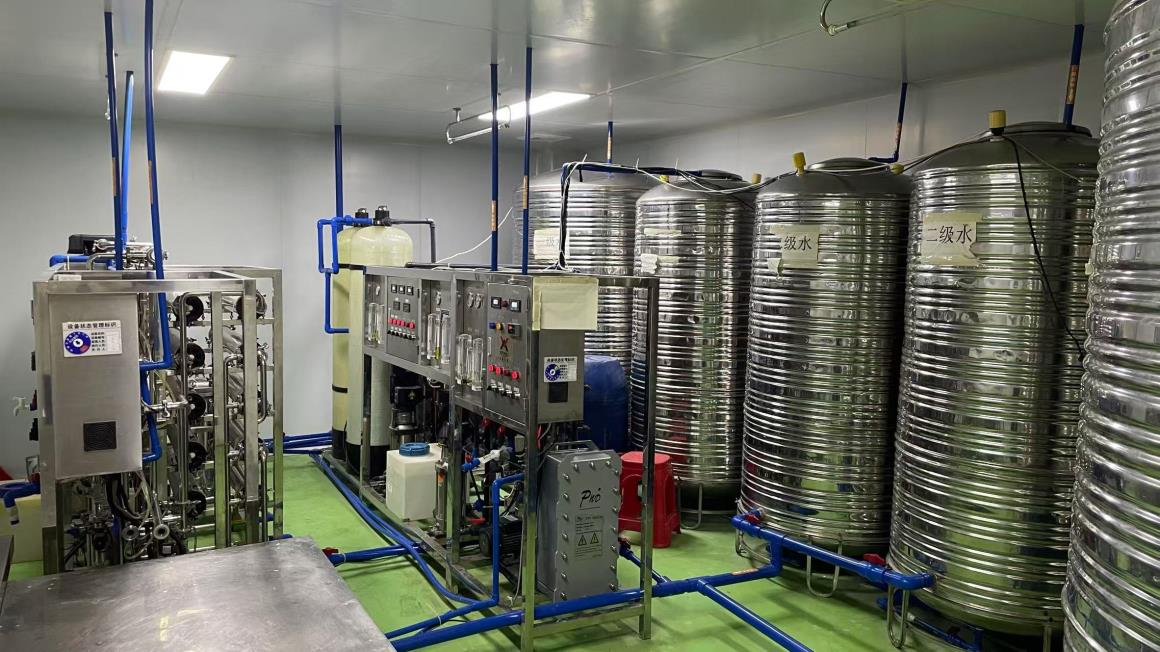
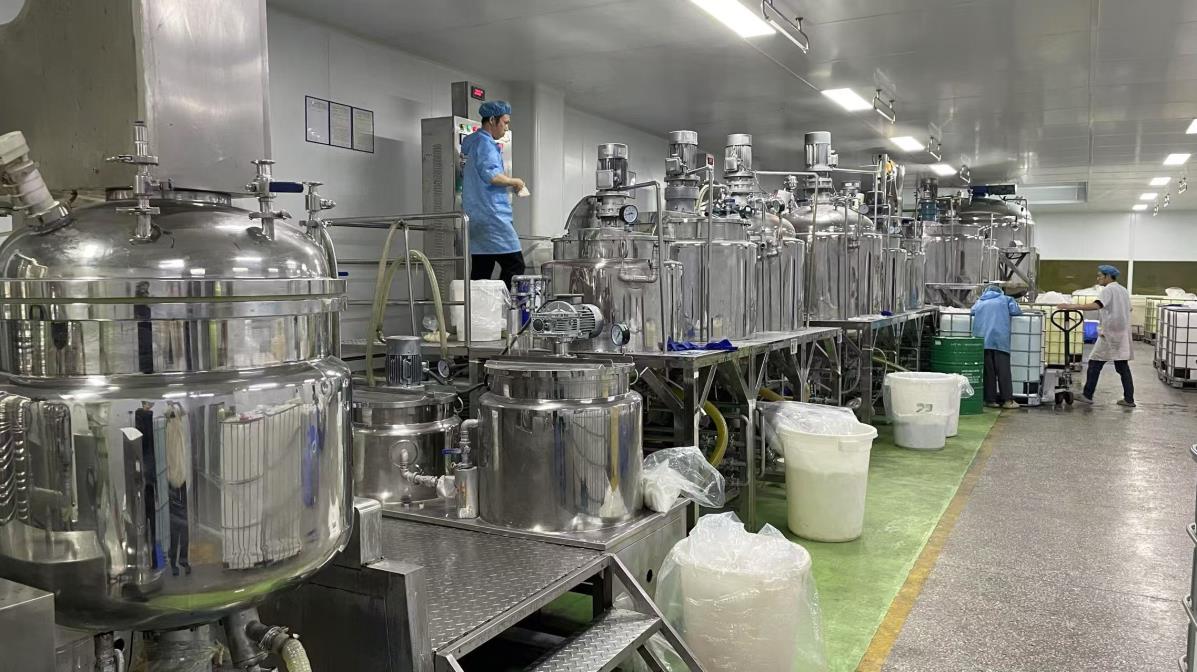
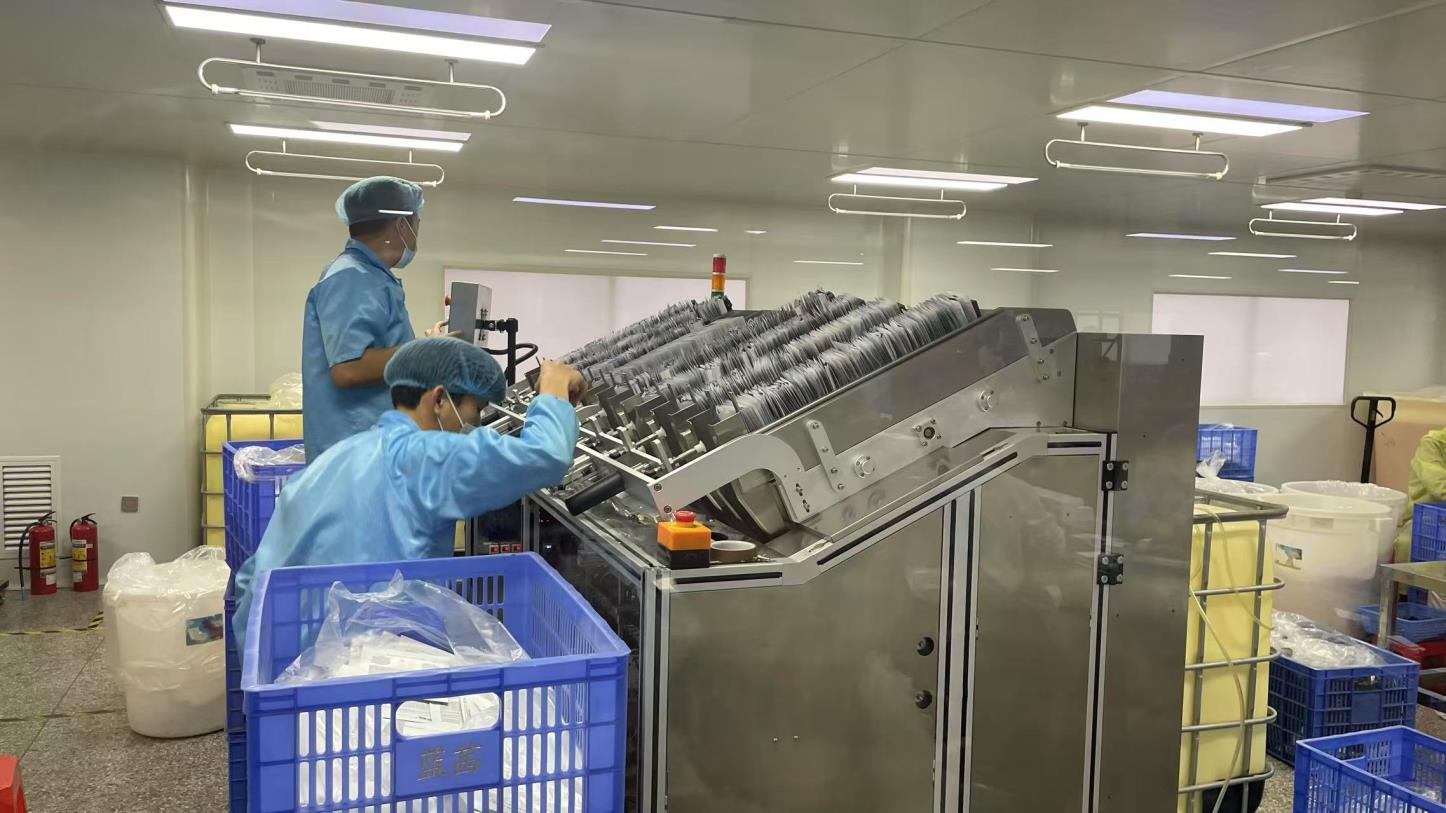
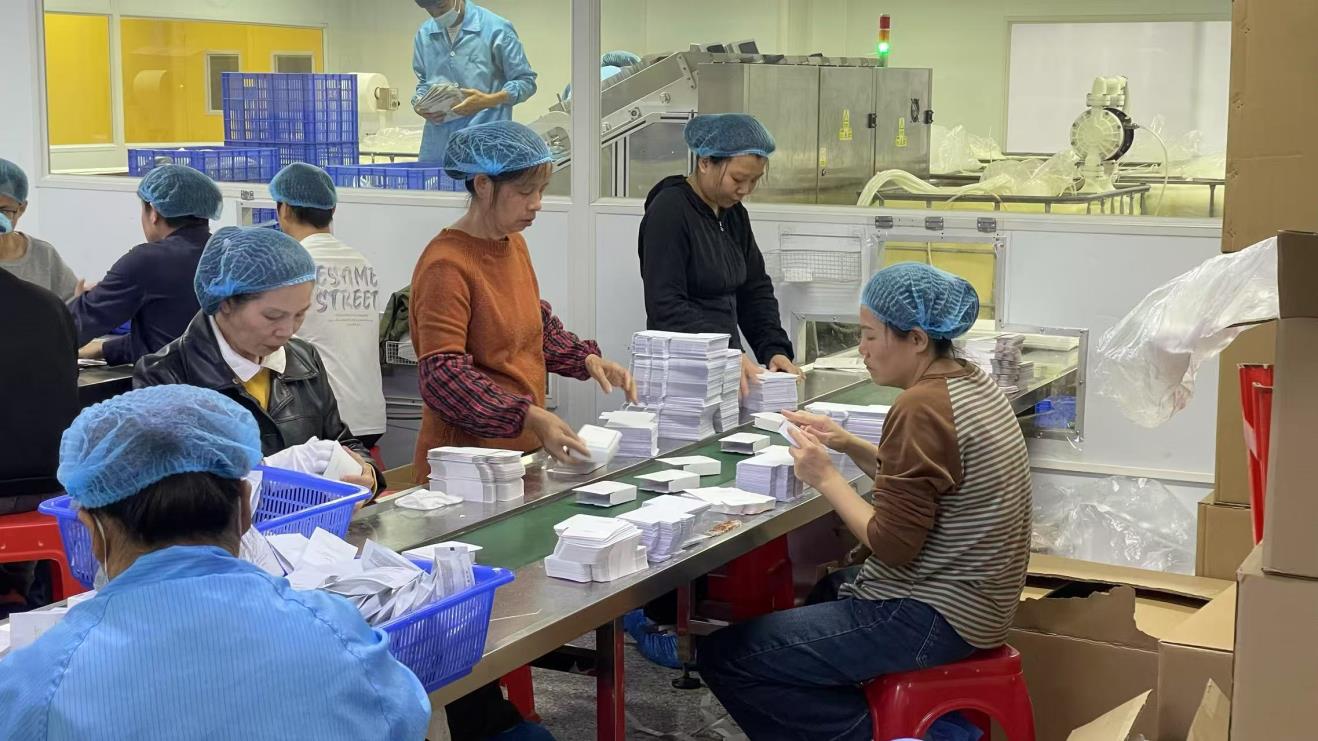
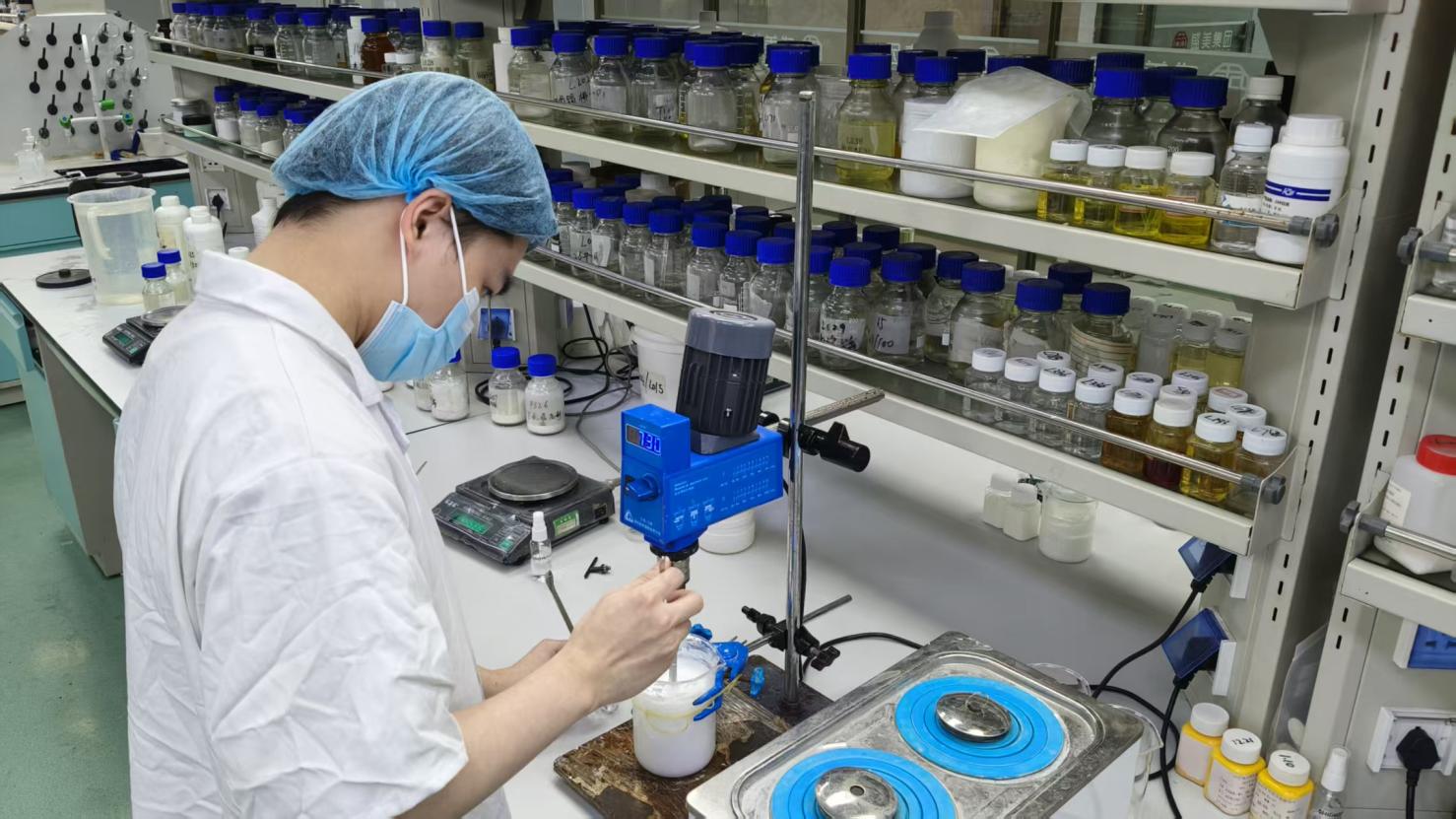
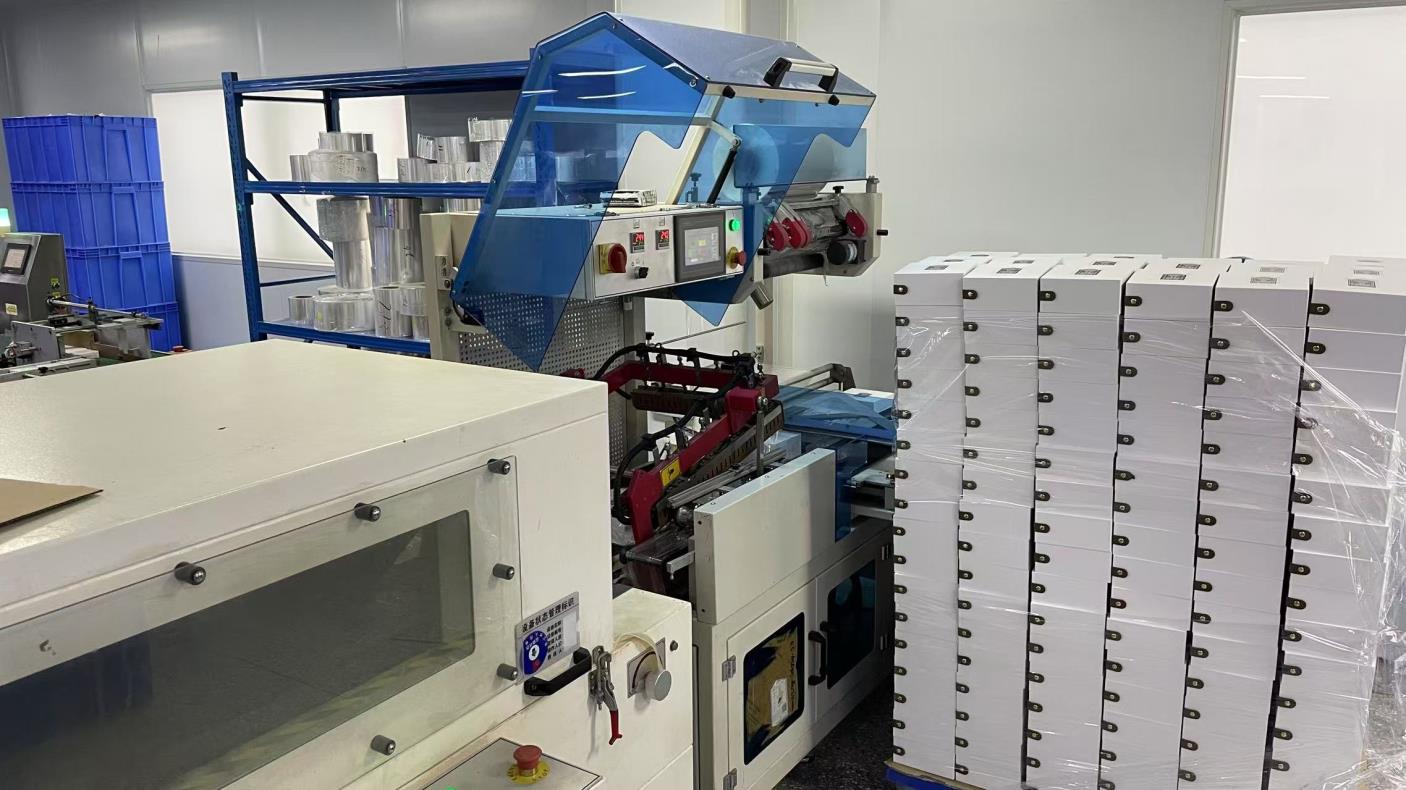
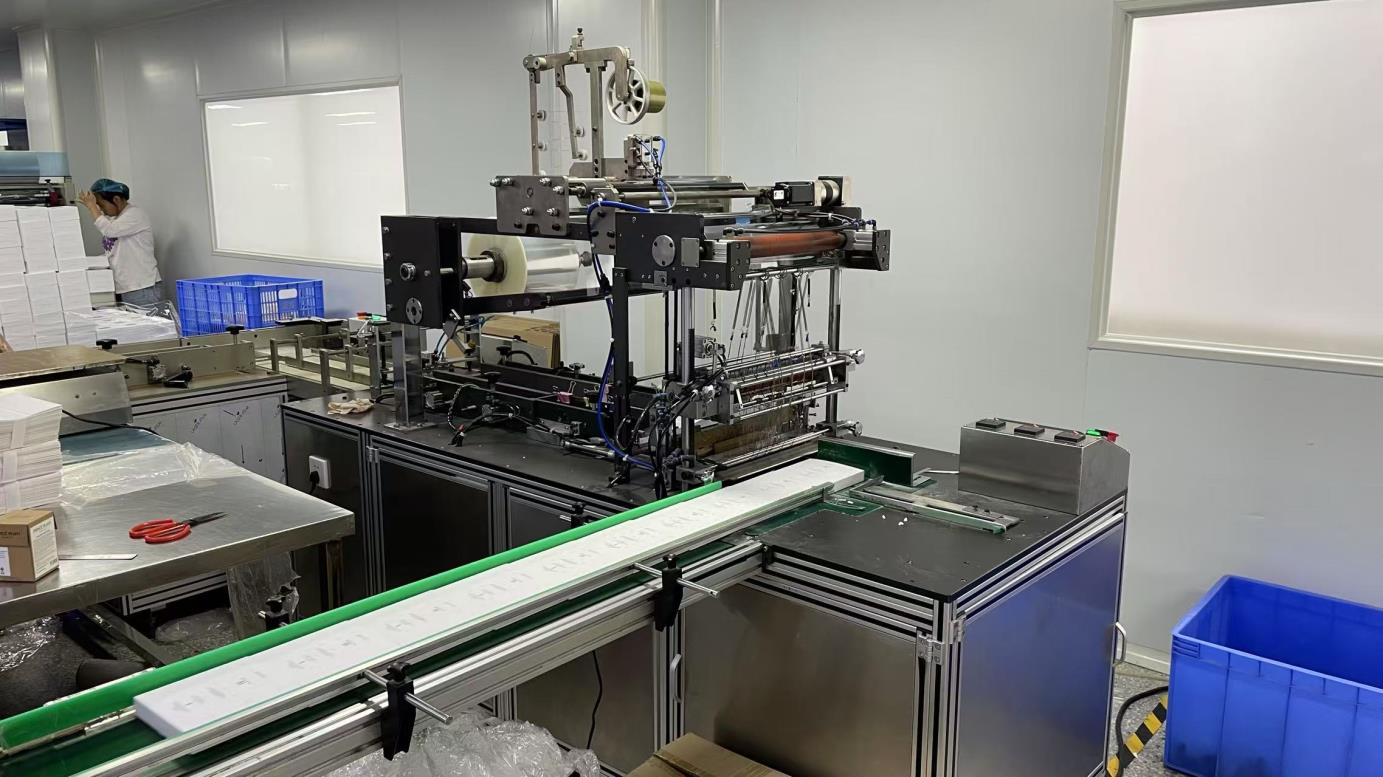
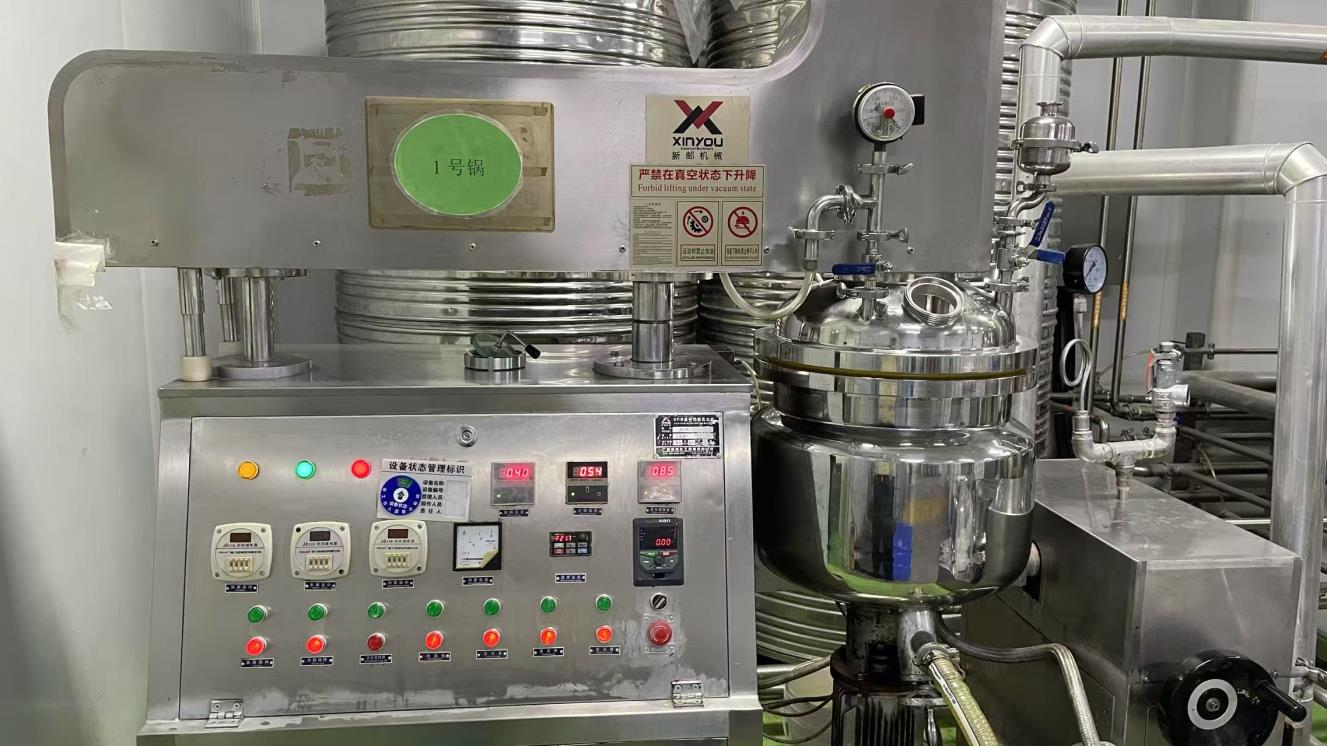
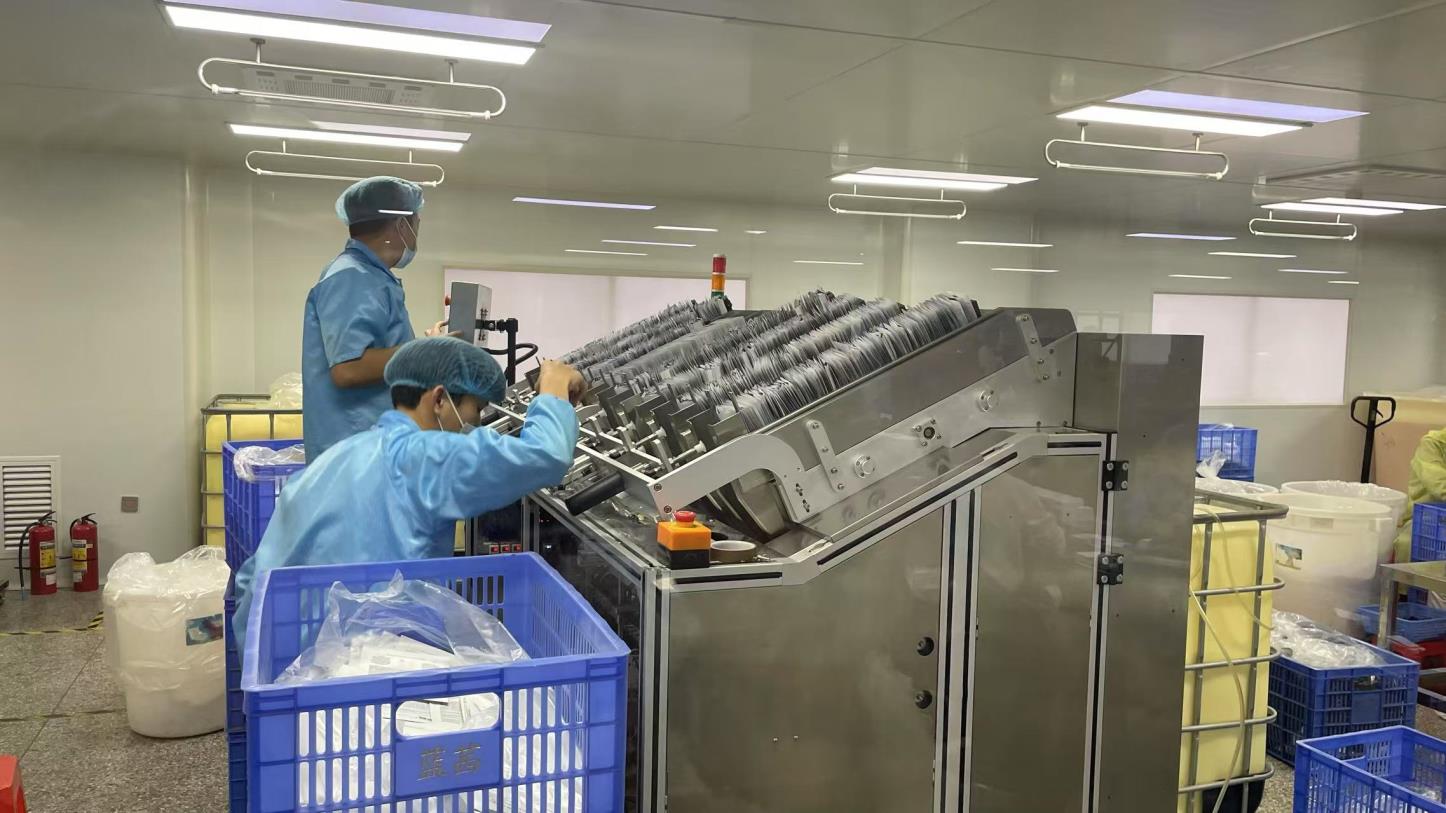
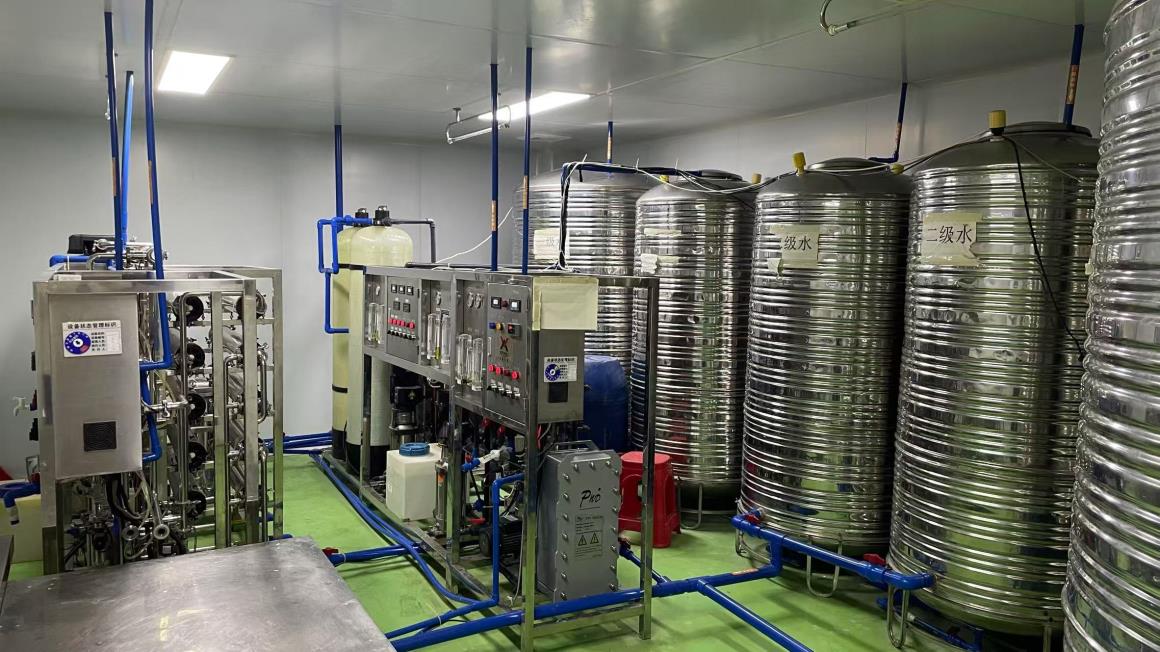
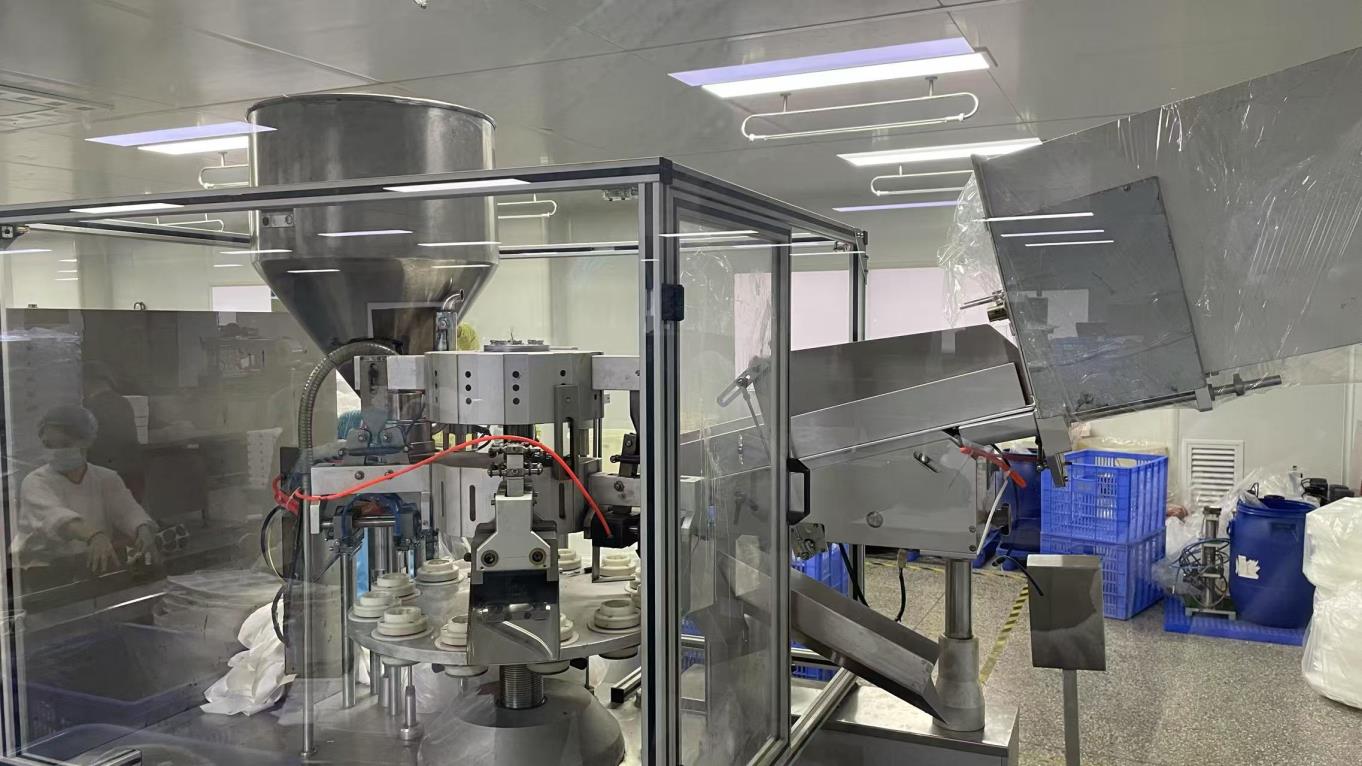
Furthermore, local Argentine manufacturing plants often struggle with the capital expenditure required to install automated, class-100,000 cleanroom facilities dedicated to aseptic filling. Peptide-based solutions are highly sensitive to thermal degradation and microbiological contamination. As a result, many prominent cosmetic brands based in Argentina are pivoting toward strategic OEM/ODM partnerships with global industry giants. By sourcing fully formulated, bulk, or retail-ready ampoules from advanced facilities abroad, local companies bypass high domestic R&D costs and achieve faster go-to-market speeds, maintaining competitiveness in a fast-evolving regional market.
3. Global Sourcing Demands & Supply Chain Resilience
Global cosmetic procurement departments face strict requirements when sourcing wrinkle-smoothing ampoules for South American distribution channels. Procurement criteria go far beyond basic pricing parameters; they encompass formulation stability, transport logistics resilience, and regulatory compliance dossiers. For Argentina, sourcing agents must navigate the complex import licensing system (formerly SIRA, now transitioned to the SEDI system), which requires clear chemical declarations and compliance documents at the port of entry.
To successfully import peptide products into Argentina, international manufacturing partners must provide comprehensive documentation including Certificate of Analysis (COA), Material Safety Data Sheets (MSDS), and proof of Good Manufacturing Practices (GMP) according to ISO 22716 standards. Furthermore, transport stability is vital. Peptides are sensitive to heat; therefore, the sourcing channel must ensure temperature-monitored shipping routes or formulate utilizing advanced stabilization systems (such as double-encapsulation or freeze-drying) to maintain product efficacy upon arrival in South America.
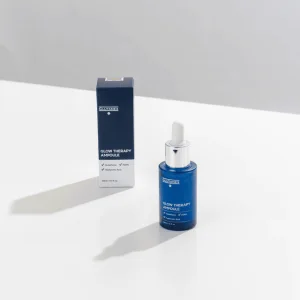
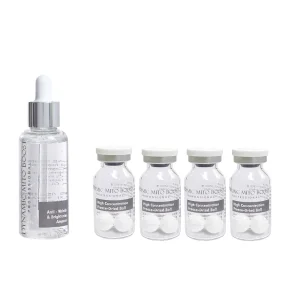
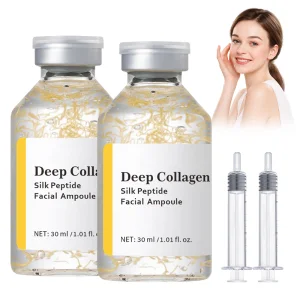
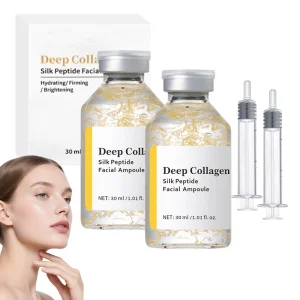
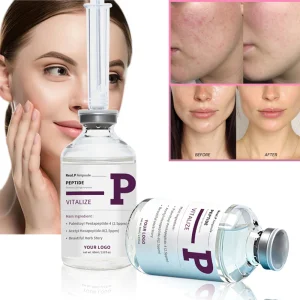
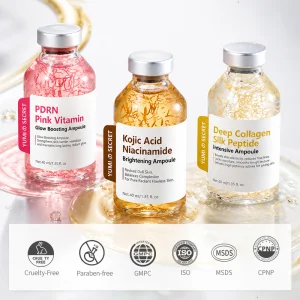
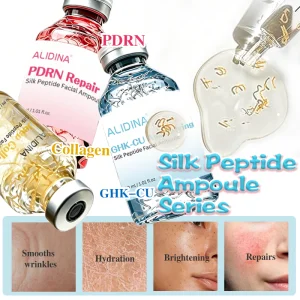
Global OEM formulations for Argentine Clinical Brands:
4. Technical Roadmap & Future Outlook of Peptide Synthesis
The technical roadmap for wrinkle-smoothing peptide design involves moving from simple, single-target peptides to multi-functional bio-mimetic systems. Historically, Hexapeptide-8 (commonly known for its botox-like muscle relaxation effects via blocking the SNARE complex) was the industry standard. Modern formulations, however, rely on a synergistic mix of several key ingredients:
- Neurotransmitter Inhibitor Peptides: Acetyl Hexapeptide-8, Pentapeptide-18, and Dipeptide Diaminobutyroyl Benzylamide Diacetate. These components target the neurological pathways of facial expressions, preventing the formation of deep mechanical lines.
- Signal Peptides: Palmitoyl Tripeptide-1 and Palmitoyl Tetrapeptide-7 (frequently combined in Matrixyl complexes). They act directly on dermal fibroblasts to stimulate extracellular matrix components.
- Carrier Peptides: Copper Tripeptide-1 (GHK-Cu). Known for its healing and tissue-reconstruction properties, it facilitates cellular uptake of critical trace minerals required for enzymatic collagen synthesis.
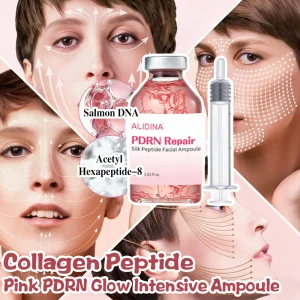
Looking to the future, the integration of PDRN (Polydeoxyribonucleotide) derived from salmon DNA represents the next frontier in cellular regeneration. When combined with peptide chains, PDRN accelerates cellular renewal and repairs micro-inflammation within the dermal layers. This combination is particularly effective for post-procedure recovery in medical spas throughout Argentina, where treatments like micro-needling, laser resurfacing, and radiofrequency therapies require rapid dermal healing.
5. Localized Support, ANMAT Compliance & Regulatory Standards
For any cosmetic brand seeking to import peptide formulations into Argentina, compliance with the national health authority, ANMAT (Administración Nacional de Medicamentos, Alimentos y Tecnología Médica), is mandatory. Under Argentine regulation, imported cosmetics fall under Category II (products with specific functional claims, which includes all anti-aging, wrinkle-smoothing, and cell-regenerating formulations). Registration requires a local representative company (Importador/Distribuidor Autorizado) to hold the product registration license.
To support this regulatory requirement, OrDie Beauty provides a comprehensive technical documentation package, ensuring our global clients experience a streamlined import process. Our support dossier includes:
- Quantitative and qualitative ingredient lists (INCI names, CAS numbers, and purity levels).
- Complete toxicological evaluation reports demonstrating product safety for topical applications.
- Microbiological analysis reports proving the absence of pathogens (Pseudomonas aeruginosa, Staphylococcus aureus, etc.).
- Stability test records demonstrating formulation integrity under typical South American transport and warehouse conditions (ranging from 15°C to 30°C).